
A Himalayan Heaven for Independent Spirits
“I came to Sikkim alone, but left feeling deeply understood.” – A solo traveler’s journal
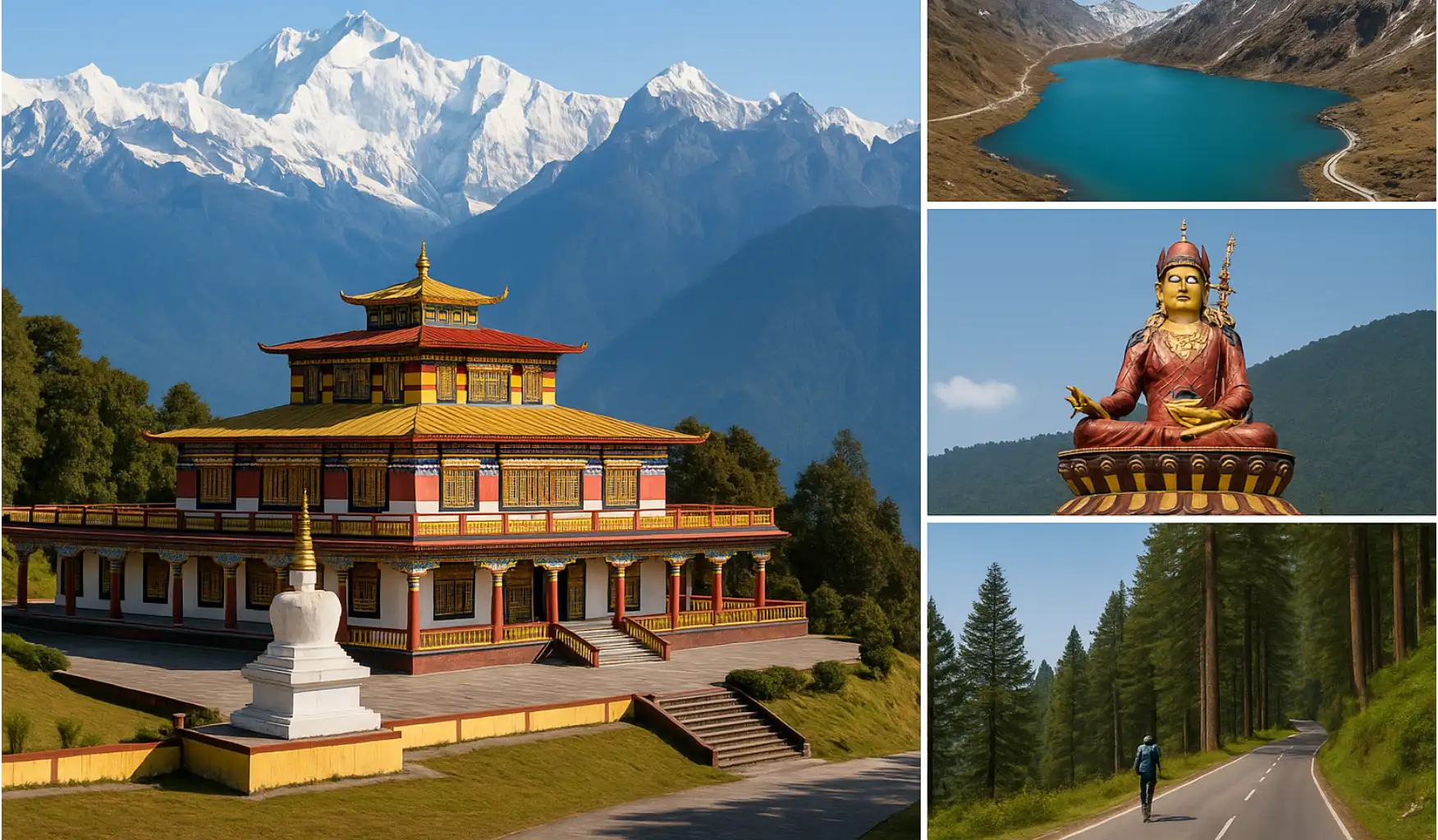
Best Time to Visit Sikkim
-
Spring (Mar–May): Rhododendrons, Ideal for Trekking
As winter fades, Sikkim bursts into bloom. Hillsides become pink and purple carpets of rhododendrons — especially in Yumthang Valley. The cool weather is perfect for treks like Goecha La and Dzongri. Tourist flow is moderate, and the vibe is energetic but peaceful. -
Summer (Jun–Aug): Green and Lush, Fewer Tourists
While many shy away due to the monsoon, solo travel to Sikkim in summer has its perks — misty mornings, verdant valleys, and discounted stays. It’s a magical time to see the hills in their richest greens, and enjoy solitude in nature. -
Autumn (Sep–Nov): Clear Skies, Festival Season
Arguably the best time to visit Sikkim. The skies are crisp, the views of Mt. Kanchenjunga are unbeatable, and major festivals like Pang Lhabsol light up the culture scene. Perfect for both cultural immersion and landscape photography. -
Winter (Dec–Feb): Snow-Capped Beauty, Low Crowd
For those craving snow-covered monasteries, frozen lakes, and peaceful solitude, winter
Top 10 Must-Visit Attractions in Sikkim
From serene lakes to sky-high passes and vibrant cultural sites, these must-visit attractions in Sikkim are essential stops on any solo traveler’s journey.
- MG Marg (Gangtok) The heartbeat of Sikkim’s capital, this pedestrian-only street is lined with cafés, souvenir shops, and local life. A perfect evening hangout.
- Tsomgo Lake A glacial lake at 12,400 ft, just 40 km from Gangtok. Visit between April and May for snow and yaks.
- Nathula Pass A historic Indo-China trade route, accessible with a permit. Snow, flags, and patriotism wrapped into one high-altitude package.
- Yumthang Valley Known as the “Valley of Flowers,” it comes alive in spring. Don’t miss the Yumthang hot springs nearby!
- Gurudongmar Lake At 17,800 ft, this sacred lake is one of the highest in the world. Breathless in every sense — altitude and awe.
- Pelling Skywalk India’s first glass skywalk with stunning views of the 137 ft Chenrezig statue and Himalayan backdrop.
- Rumtek Monastery A center of Tibetan Buddhism and a peaceful spot to meditate or just take in the colors and chants.
- Namchi’s Buddha Park A spiritual and scenic place featuring a massive golden Buddha, overlooking manicured gardens.
- Zuluk Loop Famous for its 32 hairpin bends — a photographer’s and motorbiker’s dream ride.
- Ravangla & Tathagata Tsal A tranquil town surrounded by tea gardens and dominated by the stunning Tathagata Tsal Buddha statue.
Local Food in Sikkim:
Sikkim’s culinary landscape is as soulful as its mountains — warm, hearty, and full of unique Himalayan flavors. For solo travelers, food becomes not just fuel, but an experience to savor.Start your culinary journey with momos the undisputed king of Sikkimese street food. Whether steamed or fried, you’ll find them everywhere — but MG Marg in Gangtok is where they’re best. Pair them with spicy chutney for a true local bite.
Thukpa, a comforting noodle soup, is a must during chilly evenings. Head to Taste of Tibet (Gangtok) for an authentic bowl. In Lachung, try Phagshapa — a rich pork dish cooked with radish and chilies.
For something truly local, visit a village homestay and ask for Kinema curry, a fermented soybean delicacy. Chhurpi soup, made with hardened yak cheese, is another rural favorite.
Don’t miss these cafes for a cozy solo break:
- Bakers Café – Great coffee, pastries, and MG Marg views
- Roll House – Pocket-friendly, popular with locals
Mu Kimchi – A fusion café with Sikkimese and Korean vibes


Transportation Tips for Solo Travelers
If you’re flying in, Pakyong Airport is the nearest to Gangtok but has limited flights. Most solo travelers prefer Bagdogra Airport, located about 125 km from Gangtok, for better connectivity and more flexible timings. From there, you can book a prepaid taxi or a shared jeep to reach Sikkim.
Within Sikkim, shared jeeps are the most budget-friendly and common way to travel between towns. While apps like Uber or Ola aren’t active here, you can hire rented taxis through local stands or book cabs via platforms like Drife in some areas.
Don’t forget: Permits are required for Nathula Pass, Gurudongmar Lake, and North Sikkim. These can be arranged easily through local travel agents or hotel desks — carry ID and passport-sized photos.
Budget Breakdown for Every Traveler Type
- Planning your solo trip to Sikkim? Whether you're watching your wallet or going all out, here's how your daily travel budget in Sikkim can look based on your style.
-
Backpacker: ₹1500–₹2500/day
Ideal for solo travelers who love experiences over luxury. Stay in hostels or homestays, use shared jeeps for intercity travel, and enjoy hearty meals from local food stalls. Expect basic amenities with priceless memories. -
Mid-Range Traveler: ₹3000–₹6000/day
Perfect for those who like a balance of comfort and adventure. Book BnBs or boutique hotels, use taxis or rental bikes, and dine at local cafés like Baker’s or Mu Kimchi. You’ll enjoy style without overspending. -
Luxury Traveler: ₹7000+/day
Prefer premium comfort? Sikkim has some incredible spa resorts and upscale retreats. Hire private SUVs for travel and explore fine dining at heritage hotels. Great for slow, immersive solo travel with zero compromise. - Ananda is perfect for those who want a spiritual retreat with the comfort of luxury amenities and personalized healing programs.
Hidden Gems of Sikkim
-
Dzongu Valley
A protected area in North Sikkim, Dzongu is home to the indigenous Lepcha tribe. With waterfalls, hot springs, and forest treks, it’s a retreat into nature. Permits are required, but absolutely worth it for the solitude -
Tarey Bhir
This dramatic cliff near Namchi offers dizzying views over the confluence of two rivers. A quiet trail for sunrise seekers and nature photographers. -
Barsey Rhododendron Sanctuary
Perfect in April and May, Barsey blooms into a riot of color. This offbeat sanctuary in West Sikkim also offers peaceful forest hikes -
Hee Bermiok
A lesser-known village ideal for stargazing and slow travel. Stay with local families for cultural immersion. -
Rinchenpong Monastery
A quiet spiritual stop with stunning sunset views over the mountains. Fewer crowds, more inner peace.
Safety Tips & Cultural Etiquette
Cultural Do’s:
- Greet with “Namaste” or “Tashi Delek” — it shows warmth and cultural connection.
- Be respectful at monasteries — remove your shoes, speak softly, and never point feet at sacred objects.
- Ask before taking photos — especially of locals, monks, or during religious events.
Don'ts
- Avoid loud behavior or PDA — Sikkim is culturally conservative.
- Don’t litter or damage prayer flags or stones — they hold spiritual significance.
- Ask before taking photos — especially of locals, monks, or during religious events.
Safety Tips:
- Avoid remote paths after dark, especially if you’re alone.
- Carry offline maps & emergency numbers in case of no network.
- Use known taxi stands or hotel-arranged rides for trusted transport.
“Kindness and awareness go further than gear on solo trips.” – A seasoned traveler
Your Sikkim Solo Journey Starts Now
Sikkim is more than a destination — it’s a feeling. From peaceful monasteries and winding mountain roads to soulful food and warm locals, solo travel in Sikkim is an enriching, safe, and unforgettable experience. Whether you’re planning a short escape or a week-long exploration, the state’s culture, landscapes, and hidden gems will reward every step. So pack light, keep your curiosity high, and let Sikkim unfold at its own rhythm. Trust your instincts, follow the prayer flags, and discover a place that feels like a journey inward.Ready to explore solo? Sikkim is waiting.
FAQs about Traveling to Sikkim
Why Sikkim Should Be on Your 2026 Travel List
Sikkim is not just a destination—it’s an experience that combines nature, culture, adventure, and soul-soothing peace. Whether you’re gazing at the towering Kanchenjunga, sipping hot thukpa at a hillside café, or trekking to one of the world’s highest lakes, Sikkim leaves an imprint on every traveler’s heart.
2025 is the perfect year to explore this Himalayan paradise. With better roads, cleaner tourism, eco-conscious accommodations, and welcoming locals, now is the time to plan your Sikkim adventure.
Whether you’re a first-timer or returning for a deeper exploration—Sikkim always has something new to offer.

Comment (0)