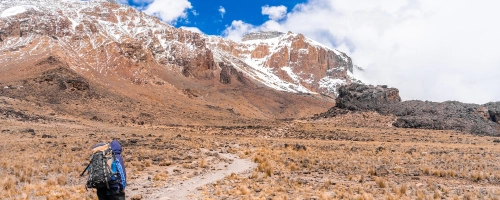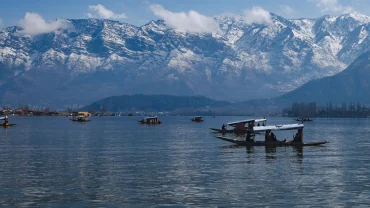
Ladakh does not feel like the rest of India. The moment the plane lands at Leh, something shifts. The air is thinner, the sky is a shade of blue you have probably never seen before, and the silence around you is so complete it feels like the world itself has taken a breath and held it. This is not a destination — it is an experience that rewires something inside you permanently.
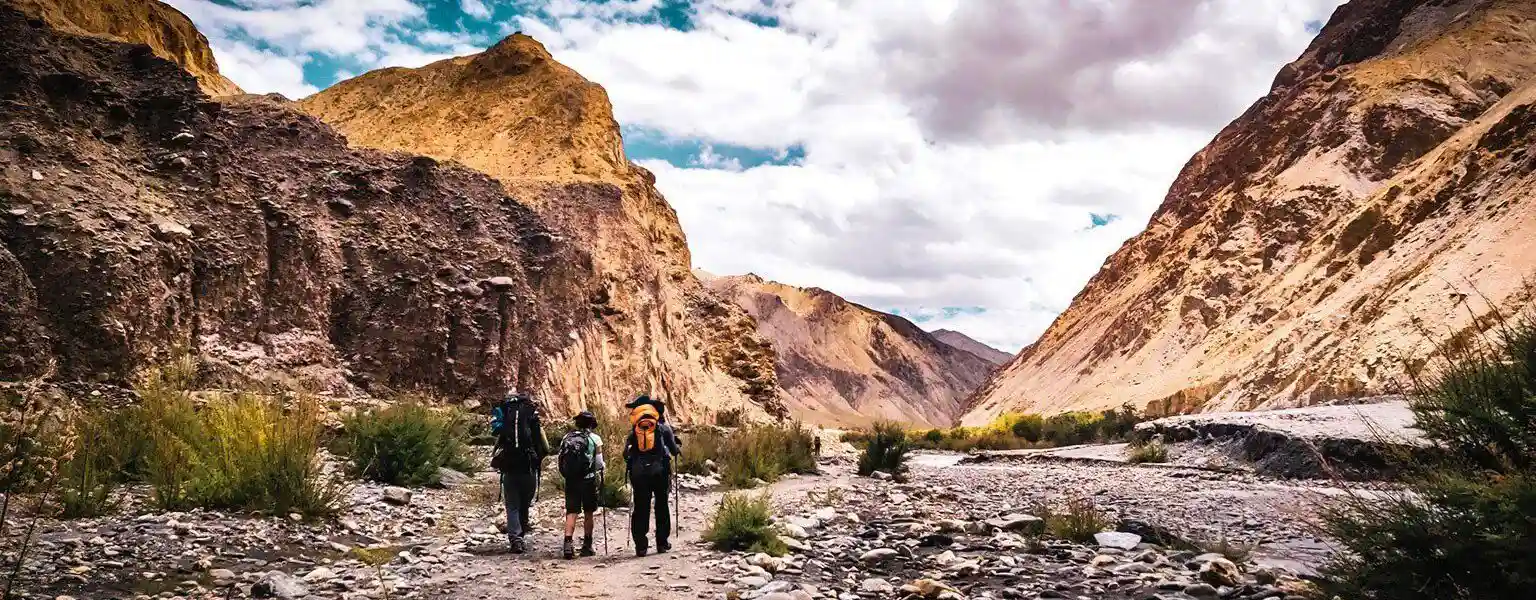
Ladakh trekking offers something new every time, regardless of whether this is your first serious trek or you have already completed a dozen Himalayan routes. Here, the trails are authentic and unadulterated. You walk through Buddhist villages unspoiled by contemporary tourism, sleep beneath starry skies, cross frozen rivers, and stand on mountain passes where the wind hits you so forcefully that you briefly forget everything else. That’s the type of place.
All of the main trekking routes, from beginner to expert, the ideal time of year to visit, the permits you need, what to pack, altitude safety, and frank, useful advice derived from experience on these trails are covered in this guide. Once you’ve read it thoroughly, you’ll be truly prepared to travel to Ladakh.
Why Ladakh Stands Apart From Every Other Trek in India
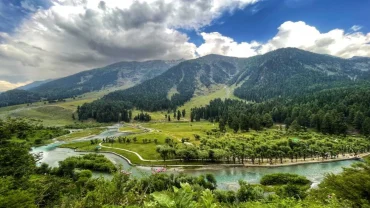
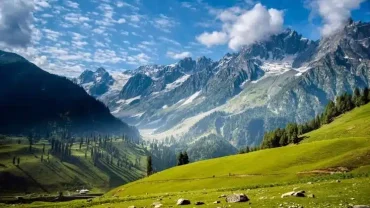
India offers amazing trekking in Sikkim, Himachal Pradesh, and Uttarakhand. Ladakh, however, functions on an entirely different frequency. Because it is located in the rain shadow of the larger Himalayan ranges, it is a cold, high-altitude desert with nearly no rainfall and clear skies for most of the trekking season. Ancient monasteries perched on vertical cliff faces like they truly dare gravity to try something, electric blue rivers, golden sand dunes sitting improbably beside snow peaks, and desolate chocolate-brown mountains create a landscape of almost surreal beauty.
The combination of natural beauty and living culture is what makes trekking in Ladakh different from most other Himalayan experiences. The paths here don’t just go through the wild; they also go through towns. In villages like Skiu, Markha, and Hankar, families have opened their homes to trekkers as homestays. You eat with them, sleep in their homes, and hear stories about life in the mountains that no travel article will ever fully capture. Hemis National Park, which has the most popular trails, is home to snow leopards, Himalayan wolves, blue sheep, red foxes, lammergeiers, and the always confident marmot who watches you from his boulder without caring about your camera.
🏔 The honest truth: Ladakh demands preparation. The altitude is real, the terrain is unforgiving, and the remoteness means there is no rescue service around the corner. But every trekker who comes properly prepared leaves with one universal experience — they want to come back. Often before they have even unpacked at home.
Best Season to Trek — Month-by-Month Reality Check
It’s not just about comfort when you plan your Ladakh trek. The question is whether you can actually do the trek. Many high-altitude passes stay buried under several meters of snow for months, and roads can close without warning. This is what each season really looks like on the ground:
| Month | Conditions | What's Open | Best For | Status |
|---|---|---|---|---|
| January – February |
−10°C to −25°C, heavy snow, extreme cold | Zanskar River (frozen) | Chadar Trek, Snow Leopard Trek | Limited |
| March – May | Cold mornings, snow melting on passes | Srinagar-Leh road opening | Early acclimatisation, short day hikes | Shoulder |
| June | 15–22°C days, cold nights, dry and clear | Most high passes opening | Sham Valley, lower Markha Valley | Good |
| July – August | 18–28°C days, occasional afternoon clouds | All major routes open | All treks — peak season | Peak Season |
| September | 10–20°C, crisp clear air, autumn colours | All routes, less crowded | Markha Valley, Rumtse–Tso Moriri | Excellent |
| October | 0–15°C days, first winter snowfall possible | Low-altitude routes | Sham Valley, photography trips | Good |
| November – December |
−5°C to −20°C, passes closing | Leh accessible by air only | Rest, planning next season | Closed |
All 6 Major Trekking Routes in Ladakh — Ranked by Difficulty
Each road in Ladakh has its own character, needs, and rewards. Some are easy cultural walks through valleys with monasteries. Some are high-altitude crossings that are far away, where you might not see another trekker for days. And one of them is walking on a frozen river in January. All six of them are fully explained below.


Sham Valley Trek
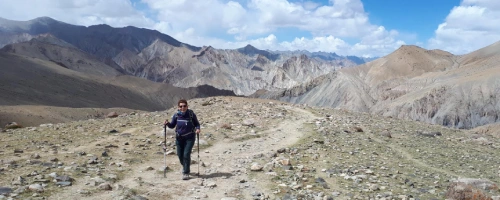
Easy — Ideal for BeginnersKnown as the "Baby Trek of Ladakh," this is the perfect starting point for first-time high-altitude trekkers. The route moves through the lower Indus Valley past ancient monasteries including Likir and Alchi, through apricot orchards and small villages where daily life moves at a wonderfully unhurried pace. Altitude stays manageable throughout, making it accessible for most healthy adults. Homestays in villages along the way provide warm rooms and genuine Ladakhi cooking.
Markha Valley Trek
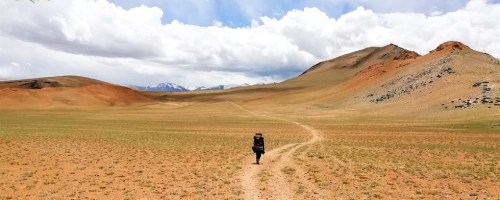
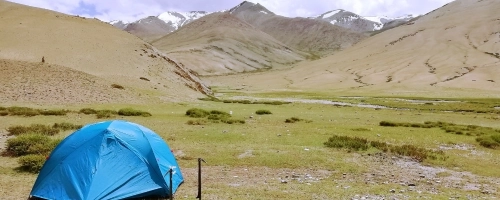
Moderate to ChallengingThe most popular and celebrated trek in Ladakh. The route runs through Hemis National Park, crossing two high passes — Ganda La (4,970m) and Kongmaru La (5,260m) — with the Nimaling plateau and views of Kang Yatse (6,400m) as the centrepieces. Villages along the way offer genuine cultural encounters and warm homestay evenings that make every bit of the physical effort feel entirely worth it.
Rumtse to Tso Moriri
Challenging — Wilderness TrekOne of the most rewarding and least-crowded routes in Ladakh. You cross multiple passes above 5,000m across open plateaus with almost no other trekkers in sight, before descending to Tso Moriri — a pristine high-altitude lake at 4,522m whose blue-green surface perfectly mirrors the surrounding mountains. The solitude and raw scale of this route set it apart from everything else in the region.
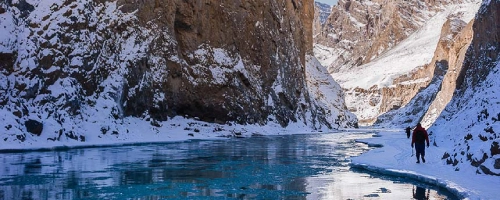
Chadar Trek — Frozen Zanskar
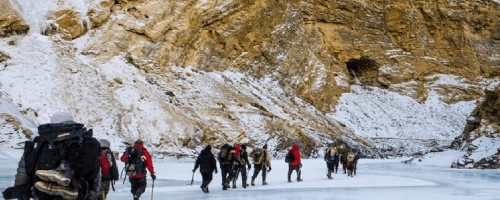
Very Challenging — Winter OnlyThere is no trek in the world quite like this. In January, the Zanskar River freezes into a thick sheet of ice — the Chadar — and becomes the only route connecting remote Zanskar villages to the outside world. You walk on this ice for days through enormous gorges, past frozen waterfalls that glow electric blue, camping in caves carved by the river itself. Temperatures reach −25°C. It is extraordinary — but only for those who are properly prepared.
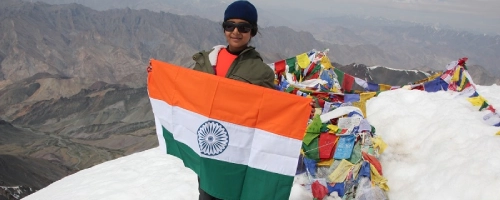
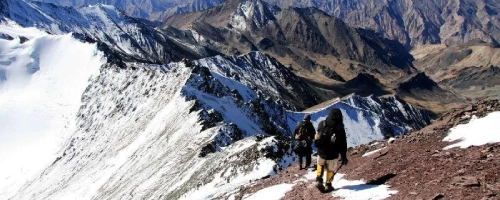
Stok Kangri — Summit 6,153m
Advanced — Mountaineering RequiredFor trekkers seeking a genuine Himalayan summit, Stok Kangri at 6,153m is one of the most accessible 6,000m peaks in India. The summit delivers a 360-degree panorama of the Zanskar and Karakoram ranges. This requires crampons, an ice axe, rope, and prior mountaineering experience. Always check current local regulations before planning as access restrictions have been in place periodically.
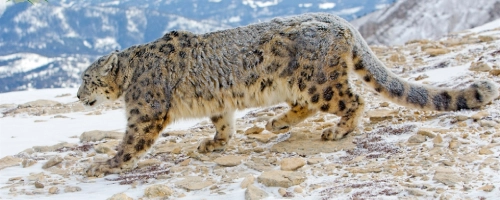
Snow Leopard Trek — Rumbak
Moderate — Wildlife Focus, WinterThis is for a specific type of traveller — someone who combines a love of trekking with a deep passion for wildlife. During winter, snow leopards descend from high ridges into the Rumbak Valley to hunt blue sheep at lower altitudes. With specialist naturalist guides, you spend mornings and evenings scanning the ridgelines for one of the rarest sightings in the natural world.
Altitude at a Glance — Know Before You Climb
Knowing how high and how fast you’ll go is one of the most important things to think about when planning a trek in Ladakh. The picture below shows the highest point of each route compared to sea level. Use this to figure out which trek your body is ready for and how important it is to take your acclimatization time.
Even though the Chadar Trek has the most extreme temperatures and mental challenges, it stays at a lower altitude. There, the real problem is the cold and ice, not the thin air. Rumtse to Tso Moriri and Stok Kangri, on the other hand, go into areas where the body works much less well and where people who aren’t ready for it are at risk of getting Acute Mountain Sickness (AMS).
| Trek | Difficulty | Days | Max Alt | Season | Experience Needed |
Solo Friendly? |
|---|---|---|---|---|---|---|
| Sham Valley | Easy | 3–4 | ~3,800m | Jun–Oct | None | Yes |
| Markha Valley | Moderate | 6–8 | 5,260m | Jul–Sep | Some trekking | With guide recommended |
| Rumtse–Tso Moriri |
Hard | 7–9 | ~5,400m | Jul–Sep | Prior high-alt trek | No — guide required |
| Chadar Trek | Extreme | 8–9 | ~3,700m | Jan–Feb | Good fitness | No — organised groups only |
| Stok Kangri | Extreme | 9–10 | 6,153m | Jul–Sep | Mountaineering exp. | No |
| Snow Leopard | Moderate | 8–12 | ~4,800m | Jan–Mar | Some trekking | With naturalist guide |
Acclimatisation — The Step That Most People Skip and Regret
If there is one piece of advice that every seasoned trekker in Ladakh would give you, it is to take your time acclimating. It takes just over an hour to fly from Delhi to Leh at 3,524 meters. Just a few hours ago, your body was operating flawlessly at near sea level; now, it has to deal with about 40% less oxygen per breath. It takes time for that gap to close, and the mountain will let you know if you ignore it.
Acute Mountain Sickness (AMS) is not a reflection of fitness or toughness. It can affect Olympic athletes and lifelong mountaineers. The symptoms are clear: persistent headache that does not respond to paracetamol, nausea or vomiting, fatigue that feels disproportionate to activity, loss of appetite, and disturbed sleep. If these worsen — especially if breathing becomes difficult at rest or confusion sets in — descend immediately. These are signs of High Altitude Pulmonary Oedema (HAPE) or High Altitude Cerebral Oedema (HACE), both of which are medical emergencies.
Know the Three Stages of Altitude Sickness
Recognising the difference between mild AMS and serious altitude illness can be lifesaving on remote routes.
AMS
Mild
Headache, fatigue, loss of appetite, mild nausea. Rest and hydration usually resolve this within 24 hours. Do not ascend.
HAPE
Pulmonary
Breathlessness at rest, cough, chest tightness, pink frothy sputum. Descend immediately. This is life-threatening.
HACE
Cerebral
Confusion, loss of coordination, inability to walk straight. Emergency descent required. Do not wait for morning.
Permits & Entry Rules — What You Need and Where to Get It
Important — Check Before You Travel
Permit rules in Ladakh can change with little notice, particularly for restricted border areas. Always verify current requirements through the District Commissioner's office in Leh or a registered local operator before finalising your route.
Indian nationals do not need special permits to access the majority of Ladakh’s trekking routes. However, an Inner Line Permit (ILP) is needed for routes that cross regions close to the Line of Actual Control (LAC) with China or the Line of Control (LoC) with Pakistan. For instance, this permit is needed for the trek from Rumtse to Tso Moriri, which passes through a restricted area.
Almost all of Ladakh’s trekking routes require an ILP for foreigners. These can be obtained from the Leh office of the Deputy Commissioner or, more often, via internet portals. Plan ahead because the procedure is simple but time-consuming. One of the practical benefits of traveling with an organized group, particularly if you are a first-time visitor to the area, is that permit logistics are typically handled as part of the package if you are booking through a registered trekking operator.
What to Pack — Gear That Actually Matters at Altitude
Having the right equipment is more important when packing for a Ladakh trek than having the most expensive. At high altitudes, the weather shifts more quickly than most people anticipate. Once you are above 4,500 meters, a clear, warm morning can become chilly and windy in less than an hour. The equipment listed below is not a luxury list; rather, it is what makes a trek enjoyable or unpleasant.
Clothing &
Footwear
- Broken-in ankle boots with support
- Moisture-wicking thermal base layer
- 600-fill down jacket
- Windproof & waterproof outer shell
- Warm trekking trousers + gaiters
- Woollen hat, neck gaiter, insulated gloves
- Camp shoes or sandals
Gear & Equipment
- Sleeping bag rated −10°C minimum
- Trekking poles — essential on descents
- Headlamp + spare batteries
- UV400+ sunglasses (snow blindness is real)
- SPF 50+ sunscreen + lip balm
- 40–50L backpack with rain cover
Health & Safety
- Personal first aid kit
- Diamox if prescribed by doctor
- Oral rehydration salts
- Water purification tablets
- Reusable 1L water bottle
- High-altitude travel insurance
Nutrition & Energy
- High-calorie energy bars
- Dry fruits, nuts, dark chocolate
- Electrolyte powder sachets
- Instant oats for early starts
- Digestive biscuits for rough stomach days
Food & Accommodation — Better Than You'd Expect
The caliber of lodging and food along the well-traveled routes is one of the most pleasant surprises for first-time Ladakh hikers. A network of local homestays welcomes hikers to stay in their homes on trails like the Sham Valley and Markha Valley. You sleep in basic, tidy rooms, eat meals prepared at home, and frequently spend evenings having sincere conversations with your hosts over cups of butter tea (po cha). Although it takes some getting used to, the thick, salty yak-butter tea is a very local experience and a truly effective warming beverage at altitude.
Thukpa (a substantial noodle soup), dal rice, chapati with regional vegetables, and Tsampa (roasted barley flour), a traditional Ladakhi staple, are common meals on the trail. A committed cook crew will prepare three meals a day at camp for organized camping trips on routes like Rumtse to Tso Moriri: breakfast before sunrise, a packed lunch on the trail, and a hot dinner once you reach the campsite. Given the circumstances under which they operate, the caliber of camp cooking produced by skilled Ladakhi crews is truly remarkable.
How to Reach Leh — The Two Ways In
Leh, the capital of Ladakh and the logistical center for all treks, is where all the major routes start or finish. There are two ways to get there, and the decision you make before the trek starts is solely based on your schedule and desired experience.
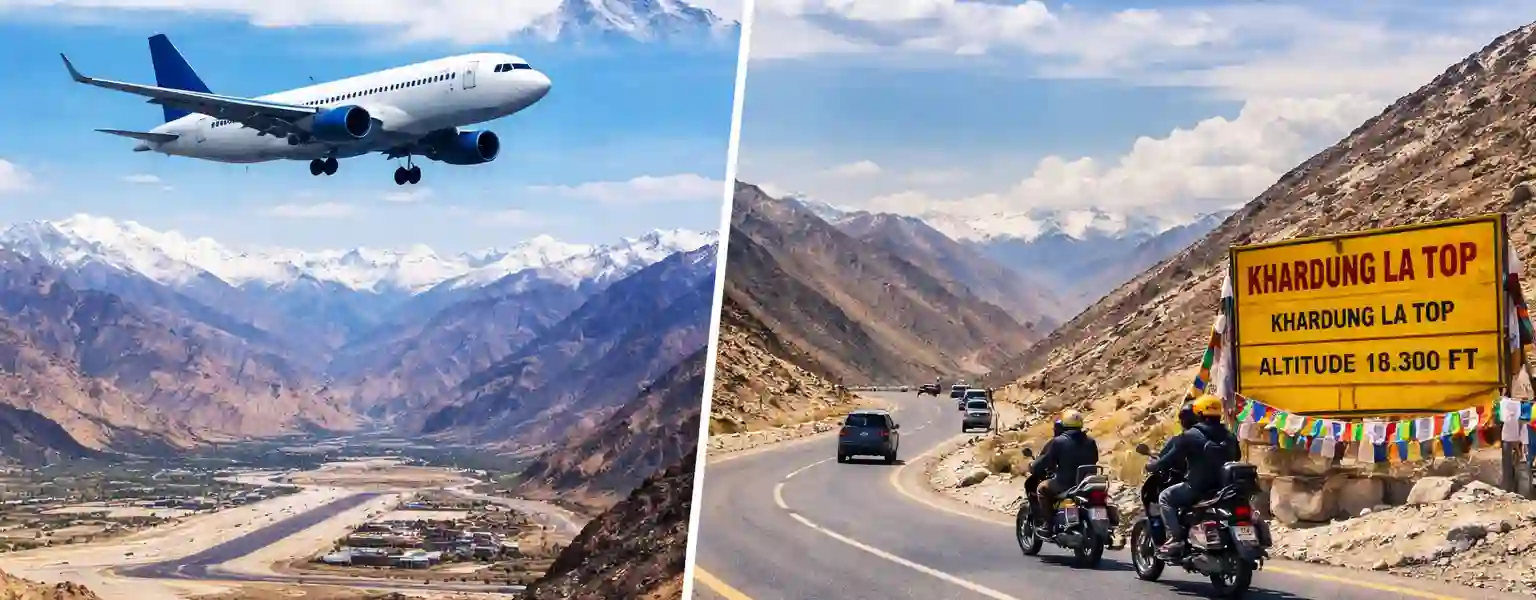
By Air: Delhi, Mumbai, Chandigarh, Srinagar, and Jammu are all connected to Leh’s Kushok Bakula Rimpochhe Airport. The fastest option is the flight to Delhi, which takes just over an hour. Regardless of how well you feel when you arrive, schedule the first two days in Leh as total rest because if you fly straight to 3,524 meters, your acclimatization clock starts the moment you land. Due to frequent flight cancellations due to mountain weather, budget buffer days on both ends of your schedule.
By Road: Two legendary highway routes connect Ladakh to India’s road network. One of the world’s most beautiful drives is the 480-kilometer Manali–Leh Highway. It travels through four passes, including Rohtang La and Tanglang La, that are higher than 4,000 meters. Following the Indus Valley, the 434-kilometer Srinagar–Leh Highway travels through Zoji La and the Drass Valley. Both routes are only open from about June through October. The two-day road trip, which includes an overnight stop at Jispa or Kargil, is a bonding experience that many hikers say they treasure almost as much as the actual hike.
Trek Responsibly — Leave It Better Than You Found It

Comment (0)