What's Inside This Guide
Everyone shows up in Bhutan expecting monasteries and prayer flags. Then they hear about the Snowman Trek — the trek so brutal that more people have summited Everest than finished it — and something shifts. Because the same mountains that cradle the country’s spiritual heart are also a full-blown adrenaline playground: hanging monasteries you have to earn on foot, glacial rivers that throw you around like a cork, forested singletrack that punishes hesitation, and passes so high the air feels different in your teeth.
Over three trips I’ve stitched together the ten activities in this guide — trekking, rafting, mountain biking, rock climbing, ziplining, kayaking, camping, even archery — and rated each on honest thrill and fitness scales. Whether you’re a first-timer looking for a controlled hit or a seasoned expedition rat hunting the next big line, there’s a route in Bhutan with your name on it.
“Bhutan doesn’t just calm the soul. It tests your limits.”


10 Ways to Get Your Pulse Up
01
Medium
Moderate
-
Tiger's Nest Hike
- Paro Taktsang, Paro Valley
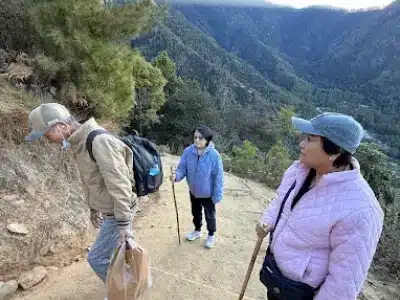
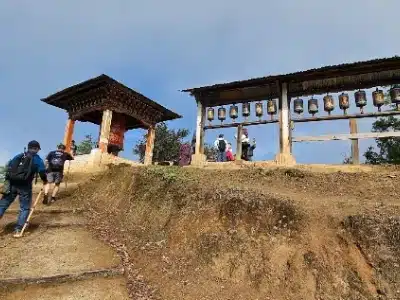
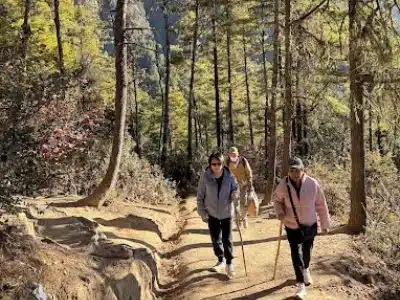
- The classic gateway drug to Bhutanese adventure. Two hours of switchbacks through blue-pine forest, thin air biting at your lungs, and then — bam — a 17th-century monastery welded to a 900-metre cliff. My calves were screaming on the final stone stairs, but the moment the clouds parted and Taktsang appeared, every burning step made sense.
- Insider tip : Start by 7am to beat the crowds. Trekking poles save the knees on descent; the wooden staircase is brutal on the way down.
High
Moderate
-
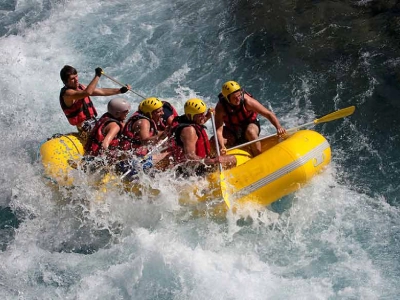
White-Water Rafting
- Mo Chhu & Pho Chhu Rivers, Punakha
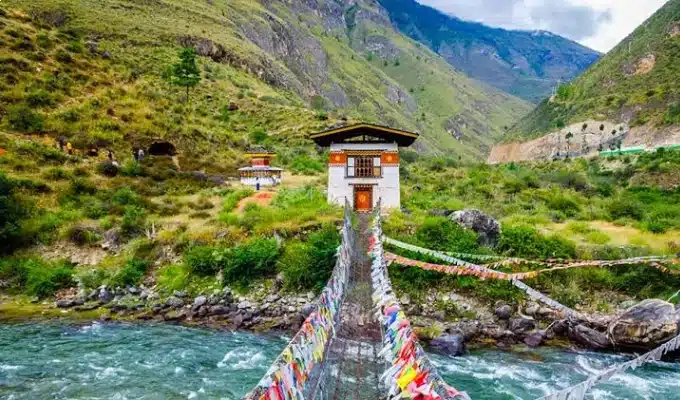
- Turquoise glacial melt, class II–IV rapids, and the Punakha Dzong staring at you from the confluence. The Pho Chhu run threw a wall of water in my face on the second drop and I actually laughed out loud. It's punchy, technical, and absolutely alive — the guides read the river like a book.
- Insider tip : March–April and October–November deliver the best flow. Wear quick-dry layers; that glacial water bites even in sunshine.
02
03
Extreme
Advanced
-
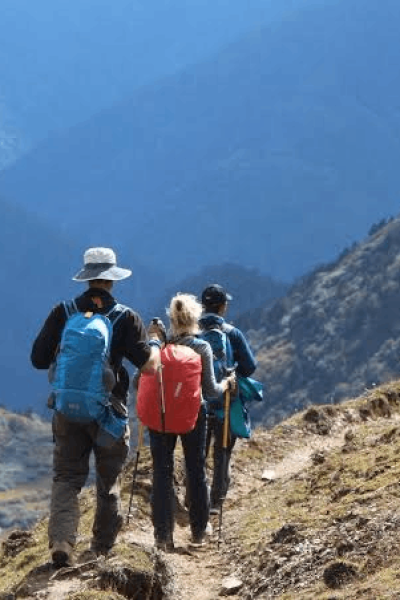
Snowman Trek
- Laya–Lunana, Northern Bhutan
- The one that separates trekkers from mountaineers. 25+ days, eleven passes above 4,500m, and stretches where a helicopter can't reach you if things go sideways. I only did the first section and it still humbled me — the silence at Jichu Dramo camp, blue ice glinting in the dawn, has never left.
- Insider tip : Book with a certified operator six months out. Two weeks of pre-trip cardio isn't enough — train like it's an expedition, because it is.
High
Moderate
-
Druk Path Trek
- Paro to Thimphu
- Five to six days, high alpine lakes, and yak herders' camps that feel unchanged for centuries. Jimilang Tsho at sunrise is the kind of scene that makes you put the camera down. It's shorter than the Snowman but the 4,200m Phume La pass will still find you if you skimp on acclimatisation.
- Insider tip : Layer aggressively — nights drop below freezing even in shoulder season. Break in your boots properly two months prior.
04
05
Medium
Moderate
-
Mountain Biking
- Thimphu ↔ Paro trails
- Bhutan's dirt is a secret. Loose gravel switchbacks through rhododendron forest, prayer-flag-strung ridgelines, and drops that reward committed riding. I hit the descent from Dochula Pass at full send and spent the next hour grinning like an idiot at every tea stall on the way down.
- Insider tip : Bring a proper full-suspension setup or rent through a Thimphu outfitter. A GPS with offline maps saves headaches on unmarked trail junctions.
06
High
Advanced
-
Rock Climbing
- The Nose & The Face, Thimphu
- Bolted sport routes on rough granite just outside the capital. Grades run from 5a to 7b, and the exposure on the upper pitches of The Nose gives you that beautiful hollow feeling in the stomach. The local climbing community is tight, welcoming, and always happy to belay a visitor.
- Insider tip : Vertical Bhutan runs weekend meets — join one. Bring your own harness and shoes; rental gear is limited.
Medium
Beginner
-
Ziplining
- Thimphu adventure park
- Not the longest zip in Asia, but the setting is unreal — pine forest, valley below, and the wind pulling tears sideways across your face. Perfect first-day adrenaline hit before you head into the mountains proper. Kids from ten and up can ride it.
- Insider tip : Book the earliest slot; afternoons get windy and lines close. Wear closed-toe shoes and skip loose scarves.
07
08
Low
Beginner
-
Camping & Stargazing
- Chele La Pass (3,988m)
- The highest motorable pass in Bhutan. Pitch a tent, wait for the sky to catch fire at sunset, then wait longer — because at that altitude, on a moonless night, the Milky Way looks close enough to touch. Zero light pollution, wolves calling in the distance. Bring a serious sleeping bag.
- Insider tip : Check for road closures in winter. A −10°C bag is not overkill even in October.
09
Low
Beginner
-
Traditional Archery
- Village grounds, nationwide
- Bhutan's national sport, and nothing like the polite version you might have tried at summer camp. Targets are 145 metres apart — practically invisible — and the winning team performs a chest-thumping victory dance every time an arrow hits home. Villagers will absolutely let you try. You will absolutely miss.
- Insider tip : Ask your guide to arrange a match in a rural village. Bamboo bows are lighter and more forgiving for first-timers.
10
High
Moderate
-
Kayaking
- Punakha & Wangdue rivers
- Rafting's more technical cousin. Solo boat, tight lines, and the constant conversation between paddle and current. The Mo Chhu's upper section has playful surf waves; the Pho Chhu will humble a strong intermediate. Book with a guide who knows river levels — they shift daily with the melt.
- Insider tip : Solid roll and Class III river experience required. Dry-tops are worth every rupee.

- Insider tip · For high-altitude routes like the Snowman Trek, build in a minimum of 3 acclimatisation days in Paro/Thimphu before you even lace up. Altitude doesn't care how fit you are.
- When to Go
-
Best Season for Adventure Sport
- Spring (March–May) and autumn (September–November) are the sweet spots for almost everything on this list. Skies are clear, rivers are running fast but not flooded, and trails are dry. Monsoon (June–August) means landslides, leech-heavy forests, and dangerous river levels — trekking and rafting operators mostly shut down. Winter opens Snowman-adjacent terrain to serious mountaineers only.
SPRING
MAR–MAYRafting • Druk Path Trek
SUMMER
JUN–AUGArchery • Cultural Rides
AUTUMN
SEP–NOVSnowman Trek • Tiger's Nest
WINTER
DEC–FEBChele La Camping • Climbing
- Non-Negotiables
-
Safety Tips & What to Pack
- Bhutan makes safety easy — but only if you play by its rules. High-altitude treks require permits arranged through a licensed operator, and a certified local guide is mandatory on almost every route above Druk Path. That's a feature, not a bug: your guide is the difference between a good trip and a rescue call.
- Layered clothing — merino base, fleece mid, hardshell outer
- Broken-in trekking boots (never new on the trailhead)
- Diamox and a plan for altitude — headaches at 3,500m are normal, confusion is not
- Physical prep: 8+ weeks of cardio before any Advanced-tier activity

- Safety First · High-Altitude
- Never gain more than 500m of sleeping elevation per day above 3,000m.
- Carry a satellite messenger on any multi-day route north of Punakha.
- Turn back at any sign of HACE or HAPE — no summit is worth it.
- Travel insurance MUST cover helicopter evacuation above 4,500m.
Not sure which destinations to include?
Read our Top Tourist Places to Visit in Bhutan guide for the must-see attractions and unforgettable experiences across Bhutan.
Planning your trip? Here’s a complete guide on how to reach Bhutan.
Best Hotels in Bhutan
| Hotel | Category | Price/Night | Best For |
|---|---|---|---|
| COMO Uma Paro | Luxury ⭐⭐⭐⭐⭐ | ₹45,000+ | Honeymoon |
| Zhiwa Ling Heritage | Heritage | ₹22,000+ | Couples |
| Dhensa Boutique Resort | Boutique | ₹18,000+ | Nature |
| Gangtey Lodge | Luxury | ₹55,000+ | Scenic Stay |
| Farm Homestays | Budget | ₹2,500+ | Local Experience |
Best Time to Visit Bhutan
Bhutan is beautiful all year, but each season has its own mood. Here is a quick comparison to help you plan.
| Season | Weather | Highlights | Recommended For |
|---|---|---|---|
| Spring (Mar–May) | 10–22°C, blooming | Rhododendrons, Paro Tshechu | First-timers, honeymooners |
| Summer (Jun–Aug) | 15–25°C, monsoon | Lush green valleys, fewer tourists | Budget travellers |
| Autumn (Sep–Nov) | 8–20°C, clear skies | Thimphu Festival, Himalayan views | Photographers, trekkers |
| Winter (Dec–Feb) | -5 to 12°C, sunny cold | Black-necked cranes, low crowd | Solitude seekers |
Other Things to Do in Bhutan
-
Festival (Tshechu)
Masked dances that tell 1000-year-old stories. -
Village Walk
Meet farmers, sip butter tea in a farmhouse kitchen. -
Photography Walk
Every doorway in Bhutan is a photograph.Every doorway in Bhutan is a photograph. -
Shopping
Handwoven Kira, wooden bowls, incense, prayer flags.
-
Tiger's Nest Trek
Spend 1–2 nights in Gangtok or Lachen before shooting above 12,000 ft to reduce altitude sickness risk. -
River Rafting
Mo Chhu river in Punakha — calm, then wild. -
Archery
Bhutan's national sport. Try it, laugh a lot. -
Hot Stone Bath
River stones heated red-hot in fresh spring water. Bliss.
Craving a hot stone bath after a mountain hike?
We know the best family-run farmstays where the water is fresh and the hospitality is warmer.
Discover the Beauty of Bhutam
Bhutan Honeymoon Package 7 Nights 8 Days
12 Reviews
7 Nights 8 Days
from
$53.000,00
Bhutan Honeymoon Tour Package 6 Nights 7 Days
10 Reviews
6 Nights 7 Days
from
$0,00
Want this itinerary tailored to your dates?
Share your travel window and we will send you a personalised plan within 24 hours.
Things travellers actually ask
Yes and no. Tiger’s Nest and the shorter Druk Path sections are absolutely doable for a moderately fit beginner. Anything longer than 5 days or above 4,000m demands proper training and acclimatisation — don’t skip either.
All foreign tourists must book through a licensed Bhutanese operator, and treks require route-specific permits arranged by them. Rafting, biking, ziplining and climbing are permit-light but almost always require a certified local guide.
March–May and September–November. Skies are clearest in autumn; spring adds rhododendron blooms along the trails. Avoid monsoon (Jun–Aug) for anything river- or trail-based.
The main commercial runs on the Mo Chhu and Pho Chhu are well-managed by experienced operators. Wear the provided PFD and helmet at all times, and follow guide commands to the letter — the rivers are cold and technical.

Comment (0)