
Bhutan, month by month.
December–February
-
Pros
- ✓ Snow-covered Himalayan views
- ✓ Peaceful monasteries & temples
- ✓ Excellent photography conditions
- ✓ Lower hotel prices
- ✓ Clear mountain skies
-
Consider
- ✕ Cold mornings & nights
- ✕ Some high-altitude passes may receive snowfall
- ✕ Pack warm winter clothing
- Temperature: −2°C to 12°C
- Crowd Level: Low (25%)
- Price Level: Moderate (45%)
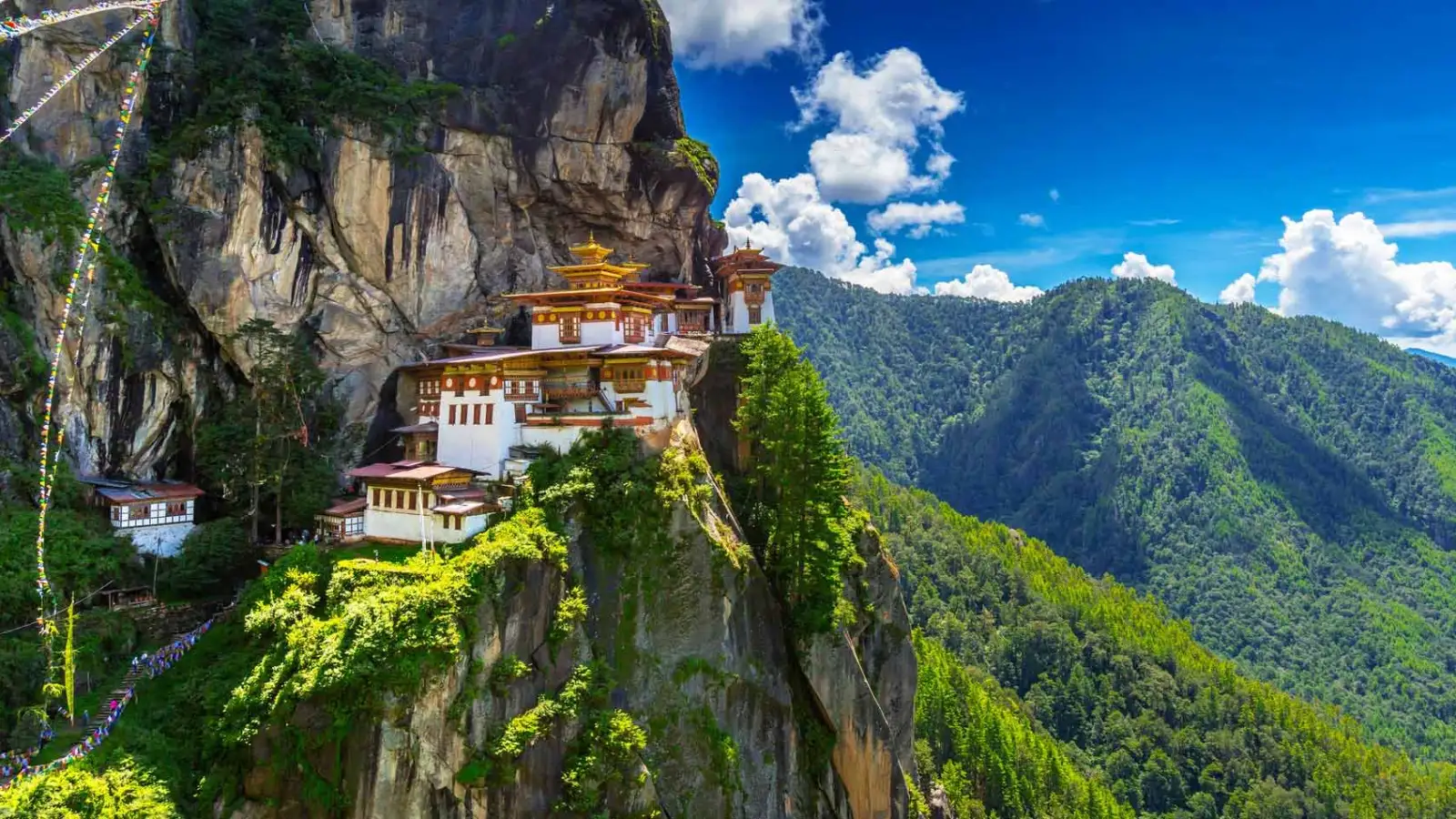
Winter transforms Bhutan into a peaceful Himalayan retreat. Snow dusts the higher mountains, crisp blue skies dominate the days, and popular monasteries feel wonderfully uncrowded. It’s one of the best months for photography, quiet cultural experiences, and travelers seeking serenity over sightseeing rush.
-
Editor's Note
Ideal for reflective travellers seeking quiet dzongs and firelit lodges.
March–May
-
Pros
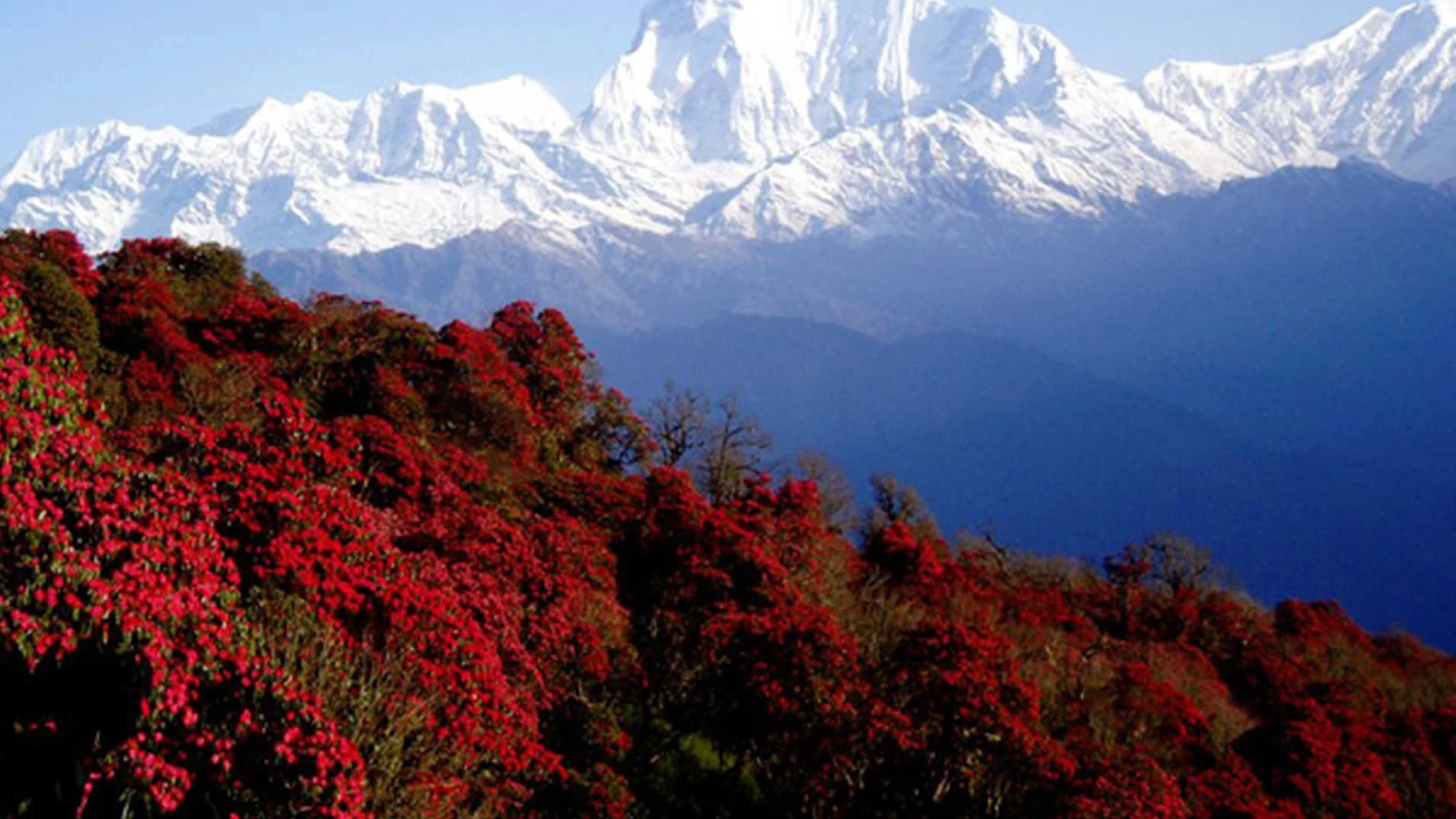
- ✓ Rhododendron forests in full bloom
- ✓ Pleasant weather for sightseeing
- ✓ Excellent mountain visibility
- ✓ Ideal for trekking and hiking
- ✓ Major cultural festivals begin
- ✓ Great conditions for photography
-
Consider
- ✕ Premium hotel prices
- ✕ Popular lodges book months in advance
- ✕ Popular attractions can be crowded
- ✕ Early tour reservations are recommended
- Temperature: 5°C to 18°C
- Crowd Level: High (70%)
- Price Level: High (78%)
March marks the arrival of spring in Bhutan, bringing blooming rhododendrons, lush valleys, and pleasantly mild weather. It’s one of the most popular months to visit, offering ideal conditions for sightseeing, hiking, photography, and vibrant cultural festivals across the country.
Special for
Festivals
Photography
Trekking
Nature Lovers
- Travel Tip: March is Bhutan's spring showcase. Expect colorful landscapes, lively festivals, and near-perfect weather, but secure your accommodation and permits several months in advance for the best experience.
June–August
-
Pros
- ✓ Lush green valleys and forests
- ✓ Fewer tourists and quieter attractions
- ✓ Great value on luxury hotels
- ✓ Refreshing weather for relaxation
- ✓ Beautiful misty mountain scenery
- ✓ Perfect for wellness and slow travel
-
Consider
- ✕ Frequent afternoon rain showers
- ✕ Some high-altitude treks may be inaccessible
- ✕ Outdoor plans may need flexibility
- ✕ Mountain views can be limited on rainy days
- Temperature: 15°C to 25°C
- Crowd Level: Moderate (40%)
- Price Level: Moderate (55%)
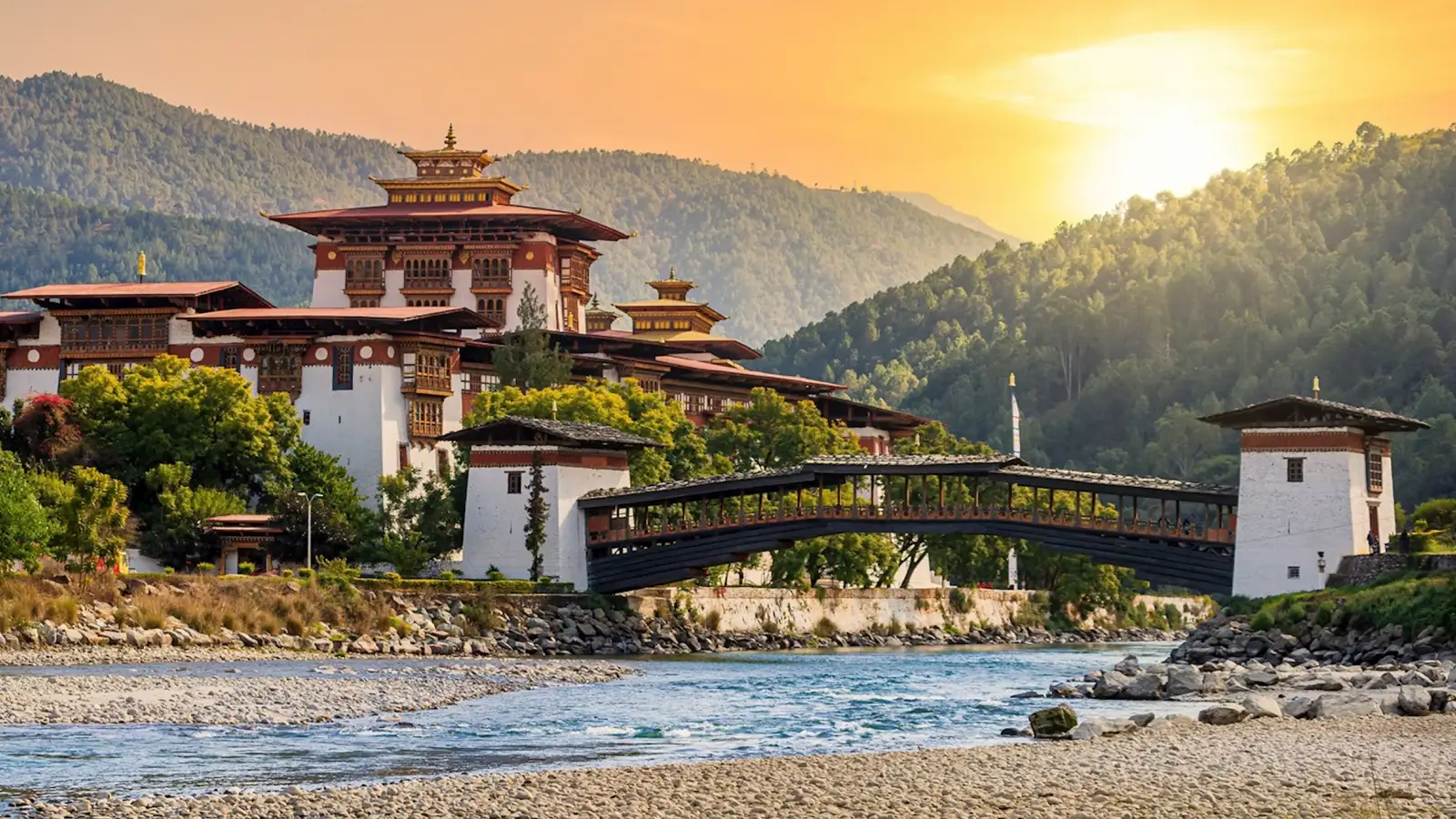
June brings the first monsoon showers to Bhutan, painting valleys in vibrant shades of green and wrapping mountain landscapes in a soft, cinematic mist. It’s a peaceful month for travelers seeking nature, wellness, and quieter cultural experiences away from the peak-season crowds.
Special for
Wellness
Solo Travel
Nature Lovers
Landscape Photography
- Perfect Tip: Solo travelers, couples, wellness seekers, photographers, and anyone looking to experience Bhutan's lush monsoon beauty without the peak-season crowds.
September–November
-
Pros
- ✓ Crystal-clear Himalayan views
- ✓ Comfortable weather for sightseeing
- ✓ Vibrant Tshechu festivals
- ✓ Excellent trekking conditions
- ✓ Perfect light for photography
- ✓ Best month for first-time visitors
-
Consider
- ✕ Peak-season hotel rates
- ✕ Permits and accommodation sell out early
- ✕ Popular attractions are busy
- ✕ Advance bookings are essential
- Temperature: 8°C to 22°C
- Crowd Level: Very High (92%)
- Price Level: Premium (95%)
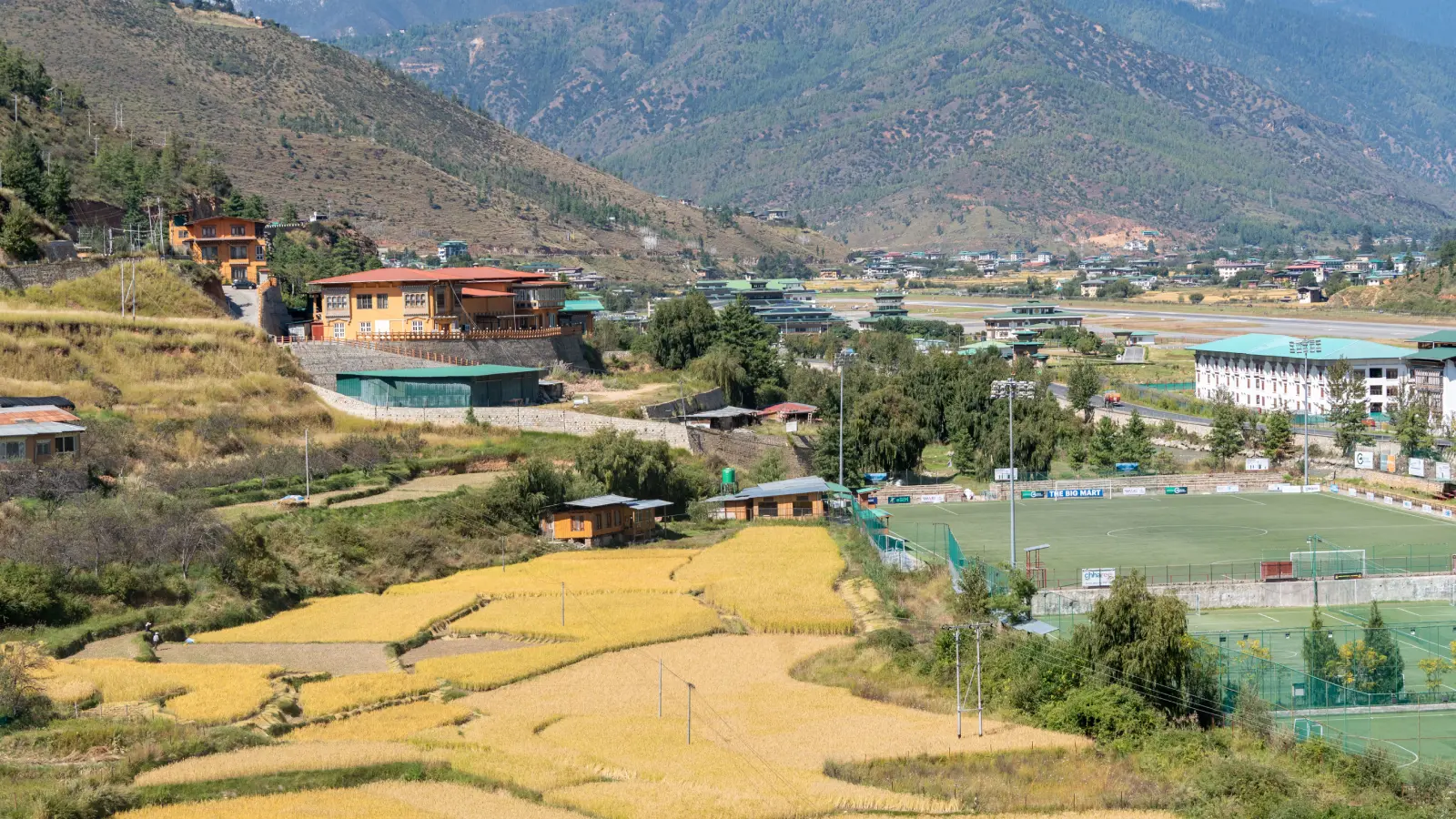
October is widely regarded as the best month to visit Bhutan. Crystal-clear skies, snow-capped Himalayan peaks, vibrant festivals, and pleasant daytime temperatures create perfect conditions for sightseeing, trekking, photography, and cultural exploration.
Special for
Adventure
Photography
Luxury Travel
Festivals
Seasonal Dashboard
Four seasons, one kingdom.
A comparative read of Bhutan’s four seasons — temperatures, rainfall, crowds and festival intensity.
Spring
Rhododendrons bloom; ideal for Paro festival & treks.
Summer
Monsoon greens the valleys; fewer crowds, lush landscapes.
Autumn
Peak season — clear Himalayan views & Thimphu Tshechu.
Winter
Snow-dusted dzongs; black-necked cranes in Phobjikha.
Discover the Beauty of Bhutam


Bhutan Honeymoon Package 7 Nights 8 Days
Bhutan Honeymoon Tour Package 6 Nights 7 Days
Sample 5-Day Bhutan Itinerary
Arrive Paro → Thimphu
Land at Paro (one of the world's most scenic landings), drive 1.5 hrs to Thimphu. Evening walk on Norzin Lam.
Thimphu Sightseeing
Buddha Dordenma, Memorial Chorten, Folk Heritage Museum. Try archery in the afternoon.
Thimphu → Punakha
Cross Dochu La Pass (108 stupas + Himalaya views). Explore Punakha Dzong and the Suspension Bridge.
Punakha → Paro
Drive back to Paro. Afternoon visit to Rinpung Dzong and Paro town for shopping.
Tiger's Nest Hike + Fly Out
Early morning hike to Taktsang. Return to hotel, freshen up, catch your evening flight home.
Best Time for Festivals
- Paro Tshechu (March–April): Bhutan's biggest festival with sacred mask dances and the giant Thongdrel display.
- Thimphu Tshechu (September–October): Grand cultural celebration in the capital with traditional performances.
- Punakha Drubchen (February–March): Historic battle reenactments and religious ceremonies.
- Jambay Lhakhang Drup (October–November): Famous for the Fire Blessing Ceremony in Bumthang.
- Black-Necked Crane Festival (November): Celebrated in Phobjikha Valley to welcome the migratory cranes.
- Haa Summer Festival (July): Showcases Bhutanese culture, local food, and traditional village life.
Best Time for Trekking
- Spring (March–May): Blooming rhododendrons, pleasant weather, and clear mountain views.
- Autumn (September–November): Crisp air, dry trails, and excellent visibility for high-altitude treks.
- Summer (June–August): Not ideal due to monsoon rain, slippery trails, and leeches.
- Winter (December–February):Suitable for lower-altitude treks, while high mountain passes may be snow-covered.
Best Time for Budget Travelers
- Winter (December–February): Lower hotel rates and fewer crowds.
- Monsoon (June–August):Best deals on stays and tour packages.
- Avoid Festival Dates: Prices rise during major festivals like Paro Tshechu and Thimphu Tshechu.
- Book Early : Reserve flights and hotels in advance for the best discounts.
- Final Thoughts :
- There's truly no single "wrong" time to visit Bhutan, as each season offers a distinct experience. If you want the best weather, iconic festivals, and stunning mountain views, aim for March to May or September to November. If you prefer a quieter, greener, and more budget-friendly trip, consider the monsoon months of June through August. And if you're drawn to crisp winter air, snow-capped peaks, and a peaceful, uncrowded atmosphere, December through February might be your perfect window. Whenever you choose to go, Bhutan's blend of spiritual depth, natural beauty, and warm hospitality ensures an experience unlike anywhere else on Earth.
- What to Pack by Season
- Packing smart for Bhutan means dressing in layers, since temperatures can shift quickly between morning, midday, and evening, and even more so between valley floors and mountain passes.
- Winter (December–February): Heavy insulated jackets, thermal base layers, gloves, wool hats, and sturdy waterproof boots. Evenings in Thimphu and Paro can dip well below freezing, and hotel heating varies by property.
- Spring (March–May): Light layers, a fleece or light jacket for mornings and evenings, comfortable walking shoes, and rain protection for occasional spring showers. Sunscreen and sunglasses are useful given the strong high-altitude sun.
- Summer/Monsoon (June–August): A good quality rain jacket, quick-dry clothing, waterproof footwear or trekking boots with good grip, and insect repellent for lower-altitude, forested areas where leeches can be present after rainfall.
- Autumn (September–November): Similar to spring, with light layers for daytime and warmer layers for chilly mornings and evenings, especially if trekking at higher elevations. A down jacket is a good idea for November treks.
Want this itinerary tailored to your dates?
Share your travel window and we will send you a personalised plan within 24 hours.
Things travellers actually ask
October is generally considered the best all-around month, combining clear skies, comfortable temperatures, excellent mountain visibility, and the major Thimphu Tshechu festival. However, it is also the busiest and most expensive month to visit.
Yes, if you’re prioritizing lower costs, fewer crowds, and don’t mind rain. The countryside is lush and green, and cultural sites remain fully accessible, though high-altitude trekking is not advisable.
Yes. April and October see the highest demand due to favorable weather and major festivals, so guides, accommodations, and flights should be booked several months ahead.
No. Visibility is best during the dry, clear months of autumn (September–November) and winter (December–February), while spring offers good but slightly hazier conditions and summer visibility is often obscured by monsoon clouds.
It can be, particularly in higher-altitude areas like Paro and Thimphu, where nights regularly drop below freezing. However, daytime skies are typically clear and sunny, and lower-lying areas like Punakha remain milder.

Comment (0)