
- Twelve months, twelve versions of the same valley. Tulips against snowline in April, meadows the colour of new paint in July, copper Chinars in October, dry powder in January. Here is how to pick yours.
- At a glance
The trail runs from Srinagar’s lakes and Old City lanes, up to the high meadows of Gulmarg and Sonamarg, through the Lidder valley at Pahalgam, Betaab and Aru, into the four-century-old Mughal gardens of Shalimar and Nishat, past the marble shrine at Hazratbal, and out to the almost-empty grass of Doodhpathri. Pick your two or three from it. Then sort out timing and style in the sections that follow.
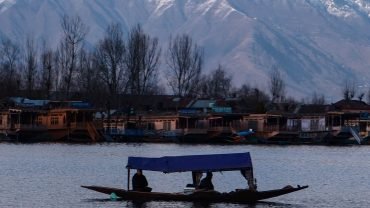
- The first time I pushed off from a Dal Lake ghat at half past five in the morning, the water was so still it felt rude to disturb it. Mist sat waist-high over the surface, the Zabarwan ridge hung upside down in the reflection, and the only sound for twenty minutes was the paddle turning over. By nine the same lake was a different place entirely — vendors, tourists, saffron sellers, engine noise. That gap between two versions of the same water is, to me, the whole point of Kashmir.
- I've come back to the valley in deep January snow and in October's copper light, and I've learned that Kashmir is not a one-season destination. It is twelve slightly different destinations wearing the same name. The tulip fields that stop traffic in April are bare earth in August. Gulmarg's meadows, waist-deep in wildflowers in July, are a ski resort by Christmas.
- So this guide works two ways. First, the places themselves — the destinations I'd actually send a friend to, written up as postcards. Then a season-by-season and month-by-month breakdown, so you know which version of the valley you'll be walking into, and whether it's the one you came for.
- Four seasons, four valleys
-
Understanding Kashmir's Four Seasons
- Spring
- MARCH - MAY
- Snowmelt feeds the streams, almond blossoms open in Srinagar, and April's tulip beds run in coloured bands beneath a still-white ridgeline. Sonmarg's road reopens through May and low-altitude trekking becomes viable. Days are mild, mornings sharp. The valley smells of wet earth and woodsmoke fading out.
- Summer
- June – August
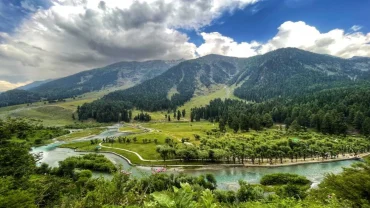
- The valley is at its greenest and a good fifteen degrees cooler than the plains. Gulmarg's meadows fill with wildflowers, high treks open, and the Amarnath Yatra brings pilgrims through Pahalgam and Baltal. July and August catch the monsoon's edge — brief showers rather than washouts, but enough to keep peaks under cloud.
- Autumn
- September – November
- My personal favourite. Chinar leaves turn copper through October, saffron flowers open around Pampore, and the air is so clear you can pick out ridgelines eighty kilometres away. Harvest activity in the orchards, calm shoulder-season pricing, and photography light that does half the work for you.
- Winter
- December – February
- Snow reshapes everything. Gulmarg becomes a serious ski destination with dry powder and Asia's highest gondola, the edges of Dal Lake ice over, and Srinagar retreats into kangris and kahwa. Chillai Kalan from late December is the coldest stretch — beautiful, demanding, and gloriously uncrowded.
- The postcard trail
-
Month-by-Month Breakdown
- twelve cards, twelve moods — pick the one that sounds like your holiday
- Best for · Snow
- No. 01
- January
- −2°C to 7°C in Srinagar; well below freezing in Gulmarg
- The valley is at its most silent. Gulmarg's gondola lifts you into dry, waist-deep powder, and Srinagar's Dal Lake steams at the edges before dawn. Chillai Kalan, the forty harshest days of winter, keeps most tourists away — which is precisely the appeal for skiers and photographers.
- Pack: thermals, a proper down jacket, waterproof boots, gloves, lip balm.
- Caveat: the Jammu–Srinagar highway closes intermittently after heavy snow; keep a buffer day around flights.
- Book a houseboat with a bukhari stove — the wood-fired warmth beats any heater.
- No. 02
- Feburary
- 0°C to 10°C; Gulmarg still −8°C at night
- Snow stays reliable while the crowds thin out after the New Year rush. Slopes hold their base, afternoons get a little more sun, and ski instructors have time for you. I found rates on hotels and gondola packages noticeably softer than in December.
- Pack: layered fleece, snow goggles, sunscreen — the glare off fresh snow is fierce.
- Caveat: higher passes remain shut, so plan around Gulmarg, Srinagar and lower Pahalgam.
- Best for · Ski Deal
- Best for · Transitional
- No. 03
- March
- 4°C to 16°C
- The valley starts to shrug off winter. Almond blossoms open at Badamwari in Srinagar, snowmelt swells the Jhelum, and you can get a bright afternoon followed by a hailstorm. It is the cheapest month with genuine spring colour, provided you accept the coin toss.
- Pack: light woolens, a rain shell, waterproof shoes for slushy paths.
- Caveat: weather is genuinely unpredictable — leave itineraries loose.
- Badamwari opens for roughly two weeks only. Ask locally before you plan a day around it.
- No. 04
- April
- 8°C to 20°C
- Asia's largest tulip garden opens below Zabarwan hill and the terraced beds run in bands of red and yellow with snow still on the ridgeline. Days are mild, nights need a jacket, and this is my favourite window for a houseboat stay — windows open, shikaras out, no mosquitoes yet.
- Pack: light layers, a mid-weight jacket, sunglasses, walking shoes.
- Caveat: the Tulip Festival draws heavy weekend crowds; go on a weekday before 10am.
- Best for · Tulips
- Best for · Peak Spring
- No. 05
- May
- 11°C to 25°C
- Full bloom everywhere. Sonmarg's road clears, Pahalgam's Betaab and Aru valleys turn green, and the Mughal gardens are at their showiest. It is the classic honeymoon month for good reason — warm days, cool evenings, everything open.
- Pack: cottons plus a light fleece, sunscreen, sturdy shoes for meadow walks.
- Caveat: peak pricing. Book houseboats and Pahalgam hotels six to eight weeks ahead.
- No. 06
- June
- 14°C to 30°C
- While the plains bake, the valley sits pleasantly warm. Trekking season opens on the lower Kashmir Great Lakes stages, Amarnath Yatra preparations begin, and the Lidder runs cold and loud. Long daylight makes for generous sightseeing days.
- Pack: cottons, a light jacket for evenings, a hat, refillable water bottle.
- Caveat: Indian school holidays make this the busiest month of the year.
- Do Gulmarg on a weekday — the gondola queue can eat two hours on a Saturday.
- Best for · Escape Heat
- Best for · Greenest
- No. 07
- july
- 18°C to 31°C
- Monsoon brushes the lower valley rather than drowning it — short sharp showers, then washed-clean air. Gulmarg's meadows are at their most absurd green, wildflowers everywhere, and the Amarnath Yatra is in full swing along the Baltal and Pahalgam routes.
- Pack: a rain jacket, quick-dry clothes, waterproof footwear.
- Caveat: Yatra season means security checks and traffic on the Pahalgam and Sonmarg roads.
- No. 08
- August
- 17°C to 30°C
- Rain lingers, tourists thin, and prices drop. The landscape stays lush and the mountain streams are at full volume. This is when I go if I want Dal Lake without the queue at the shikara ghat and a houseboat rate that feels almost unfair.
- Pack: umbrella, light layers, spare dry socks
- Caveat: cloud can hide high peaks for days — poor month for summit photography.
- Best for · Value
- Best for · Clear Skies
- No. 09
- September
- 12°C to 27°C
- The air scrubs itself clean. Mountain visibility is the best of the year, the Kashmir Great Lakes trek is at its finest, and by late month the saffron fields around Pampore begin to show their first purple. Warm afternoons, genuinely cold mornings.
- Pack: layers, a windproof jacket, trekking shoes.
- Caveat: high-altitude nights drop close to freezing — do not underpack for treks.
- No. 10
- October
- 7°C to 23°C
- Peak Chinar season. Naseem Bagh and the Mughal gardens turn copper and rust, the light goes long and golden by four in the afternoon, and saffron harvest is under way in Pampore. If you shoot photographs, this is the month.
- Pack: mid-weight woolens, a warm jacket, gloves for early mornings.
- Caveat: the second half fills up fast; book accommodation well in advance.
- Pampore's saffron fields are picked at dawn. Get there by 6.30am for the harvest.
- Best for · Chinar Gold
- Best for · Quiet
- No. 11
- November
- 2°C to 15°C
- The valley empties out. Leaves fall, the light goes soft and grey-gold, and the first snow usually dusts Gulmarg and the Sonmarg approaches. Cheap, calm and atmospheric — a good month for slow travel and long tea sessions
- Pack: heavy woolens, a warm coat, closed shoes.
- Caveat: Sonmarg and Zoji La begin closing; confirm road status before committing.
- No. 12
- December
- −1°C to 9°C
- Winter arrives properly. Gulmarg and Pahalgam start collecting snow, Srinagar's markets sell kangris and pheran cloaks, and the city takes on a smoky, festive hush. Christmas and New Year bring the season's first real crowd surge
- Pack: down jacket, thermals, woollen cap, insulated boots.
- Caveat: New Year week is the priciest of winter — book by October.
- Best for · Festive
- Fold it into the case
-
Best Time to Visit by Travel Purpose
- Honeymoon & Romance
- April – May, September – October
- Mild days for shikara rides, cold-enough evenings to justify a bukhari-warmed houseboat. April gives you tulips; October gives you Chinar gold and thinner crowds at the Mughal gardens.
- Snow & Skiing
- December – February
- Gulmarg, specifically. January and February hold the most reliable dry powder, with the gondola running to Apharwat's upper stage. February brings the same snow at friendlier rates.
- Trekking
- June – September
- Kashmir Great Lakes, Tarsar Marsar and Gangabal all sit in this window. July and August stay green but wet; September delivers the clearest skies and firmest trails of the season.
- Photography
- October and April
- October for copper Chinars, saffron harvest and long golden light. April for tulip rows against snowline. Both months give clean air and dramatic contrast between bloom and peak.
- Budget & Fewer Crowds
- July – August, November
- Monsoon months and late autumn cut houseboat and hotel rates sharply. November is dry and quiet; August is lush and cheap if you can live with cloud over the high peaks.
- Amarnath Yatra
- Late June – August
- The yatra typically runs from late June or early July for roughly six to eight weeks, ending on Shravan Purnima. Dates and registration open months earlier via the Shrine Board — check annually.
- Sort your trip
-
What to Pack by Season
- One rule above all others: layer. Kashmir's daily temperature swing is wide in every season, and a morning that needs a fleece often turns into an afternoon in shirtsleeves. Add a windproof outer shell year-round.
- Spring
- Light woolens, a mid-weight jacket, a compact rain shell, closed walking shoes, sunglasses.
- Summer
- Cottons and quick-dry layers, one fleece for evenings, rain jacket for July–August, hat, sunscreen.
- Autumn
- Layering is everything — thermal base, sweater, windproof outer. Gloves and a cap for October mornings.
- Winter
- Light woolens, a mid-weight jacket, a compact rain shell, closed walking shoes, sunglasses.
- Sort your trip
-
Things to Know Before You Go
- Altitude and weather move fast. - Srinagar sits at about 1,585m, Gulmarg at 2,650m and Apharwat's upper gondola station above 3,900m. That jump matters — take the top stage slowly, hydrate, and treat a headache seriously. Forecasts more than three days out in the mountains are suggestions, not promises.
- Access changes with the season. The Srinagar–Leh highway over Zoji La typically opens around May and closes by late October or November. The Jammu–Srinagar national highway can shut for hours or days after heavy winter snow or monsoon landslides, which is why I fly into Srinagar between December and March and keep one buffer day before any onward flight.
- Time a trip around a festival if you can. The Tulip Festival in early April, Baisakhi and the Kheer Bhawani Mela in spring, Eid celebrations, and the saffron harvest around Pampore in late October all give a trip a spine. Urs festivals at Srinagar's shrines are worth attending respectfully.
- Book early for the peak windows. April to June and the back half of October are genuinely tight. Good houseboats, Pahalgam hotels and Gulmarg ski packages sell out six to eight weeks ahead, and last-minute rates in those windows can run double. Winter travellers should confirm that their property has real heating, not just a promise of it.
- Wish You Were Here
- So — when should you go? Whenever the version of Kashmir you are imagining actually exists. If it is tulips against snow, that is April. If it is copper Chinars and saffron dawns, October. If it is powder under a gondola and a stove-warmed houseboat, January. There is no single best month, only the right match between the calendar and what you came for.
- Tell us the version you want and we will build the trip around it.
- Frequently asked
-
FAQs
Yes — winter tourism around Srinagar, Gulmarg and Pahalgam is well established and well serviced. The real winter risk is weather, not anything else: snowfall can close the Jammu–Srinagar highway and delay flights, so build a spare day into any itinerary between December and February.
January. Srinagar averages roughly −2°C to 7°C, and Gulmarg regularly drops below −10°C at night. It falls inside Chillai Kalan, the forty-day cold snap starting around 21 December, when the lake edges freeze and snowfall is heaviest.
Not in Srinagar, but yes at altitude. Gulmarg’s upper Apharwat stage and the Sonmarg approaches usually hold snow well into April, so you can walk through tulips in the morning and stand in snow the same afternoon.
April, May, September and October. The weather is comfortable with the windows open, the lake is calm at dawn, and you avoid both monsoon damp and deep-winter chill. October is the quieter, more atmospheric of the pair.
Usually late March to mid or late April, for roughly three to four weeks depending on the bloom. Exact opening dates are announced each year only a week or two in advance.

Comment (0)