
Bad timing is not tolerated in Ladakh. Traveling a month ahead of schedule results in closed roads and vacant guesthouses. Snowfall traps you if you arrive one month too late. However, if you choose the right time, Ladakh will reward you with something that most places can’t: a landscape that is so unadulterated and vibrant that it seems like a completely different planet. With no guesswork, this guide provides all the information you need to know before you travel, broken down month by month.
Why Choosing the Right Time for Your Ladakh Trip Changes Everything
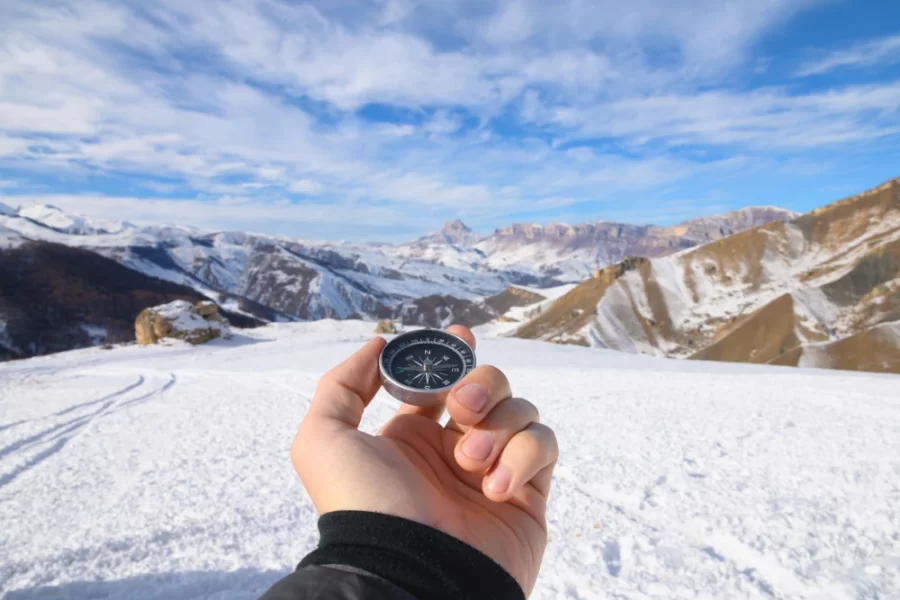
The average elevation of Ladakh is 3,500 meters above sea level, with some regions reaching much higher elevations of 5,000 meters. The atmosphere is thinner at this altitude, the weather changes rapidly, and the seasons behave differently than they do throughout the rest of India. There are hardly five months of summer. Winter is harsh, long, and incredibly lovely in and of itself. Here, there is no “average” experience; each month presents a unique narrative.
The honest response to the question of when is the best time to visit Ladakh is that it depends on your preferences. A family traveling for the first time with kids or a lone biker racing the Manali-Leh Highway have different needs than a couple seeking a tranquil honeymoon by Pangong Lake. This guide breaks down each month so that you have a clear idea of when to go, regardless of who you are or what you want.
Before we start, let me clarify that Ladakh is more than just a travel destination. Patience, altitude tolerance, adaptability, and wonder are all put to the test. Your experience will be better the more you comprehend its rhythm.
Summer
May · June · July · AugustPeak season. All roads open, every attraction accessible, festivals in full swing. Book 3–4 months in advance.
Shoulder Season
April · September · OctoberFewer tourists, better prices, stunning landscapes. Ideal for experienced travelers and trekkers.
Early Winter
November · DecemberOff-season solitude. Leh accessible by air only. Perfect for cultural immersion and winter photography.
Deep Winter
January · February · MarchExtreme cold, minimal crowds. Home of the legendary Chadar Trek on the frozen Zanskar River.
The Complete Month-by-Month Breakdown — What Ladakh Looks Like All Year

The most popular time for visiting Ladakh is from May to end of September when temperatures are warmer. But there really is no bad time to visit Ladakh, as the weather is always sunny and each season offers its own enchanting sights and experiences. Ladakh lies in the rain shadow of the Himalayas so monsoon rain clouds are blocked and the climate is always very dry.
The best time to go trekking is during the summer, which is Ladakh’s busiest travel season. The benefits of both high- and low-season travel are combined during the shoulder months of April and October through November. You can enjoy the well-known cultural and natural sites without the crowds because the temperatures are still pleasant (between 10 and 15°C during the day) and there are fewer tourists. Trekking on the frozen Zanskar River and seeing the elusive snow leopard, which descends to the valley in search of food and mating partners, are just two of the winter’s many charms and beauties.
From Delhi, flights to Ladakh are available year-round. While the Leh-Srinagar highway is typically open from April to November, the Leh-Manali highway is typically open from June to October. In Ladakh, roads are still accessible during the winter.
January in Ladakh — Frozen and Fierce
Weather: Day: -10°C to -5°C | Night: -20°C to -15°C
Roads: Leh accessible by air only. Internal roads within Ladakh mostly open.
Crowds: Minimal. You may have entire monasteries to yourself.
January is Ladakh’s coldest month, but don’t dismiss it. The entire valley turns into a pristine white world that very few tourists ever see. The Chadar Trek — walking on the frozen Zanskar River — runs from mid-January to mid-February and is one of India’s most iconic adventure experiences.
The snow leopard descends from the high mountains in January, making it the best month for wildlife photographers to spot this elusive big cat in the valleys around Hemis National Park.
Monastery festivals including Spituk Gustor bring colour and culture to the cold — monk mask dances performed in ancient courtyards are a rare and magical sight.
What to pack: Thermal base layers, heavy down jacket, insulated waterproof boots, hand warmers, sunglasses (snow glare is intense), and a good quality sleeping bag.
Watch out for: Occasional flight delays due to heavy snowfall. Limited restaurant options — carry snacks. AMS (Altitude Mountain Sickness) risk is present year-round; allow 2 days to acclimatise in Leh before any excursion.
February in Ladakh — Chadar, Losar & Silence
Weather: Day: -8°C to -3°C | Night: -18°C to -12°C
Roads: Air only. Internal roads passable with preparation.
Crowds: Very low — mostly adventure trekkers.
February is the month of the Chadar Trek at its finest — the ice is thick, the conditions are stable, and the dramatic frozen gorge of the Zanskar River is at its most photogenic. This is a bucket-list trek that requires a good level of fitness and a licensed guide.
Losar, the Ladakhi New Year, falls in February (dates shift each year based on the lunar calendar). Monasteries celebrate with colourful ceremonies, traditional music, and butter sculptures. It is one of the most authentic cultural experiences you can have in Ladakh.
For those willing to embrace the cold, February is also fantastic for astrophotography — the skies over Leh are crystal clear and Milky Way visibility is outstanding.
Best for: Chadar Trek, Losar festival, snow photography, solitude seekers.
March in Ladakh — The Thaw Begins
Weather: Day: 0°C to 8°C | Night: -10°C to -5°C
Roads: Still air only. Leh–Srinagar Highway may begin opening toward end of March.
Crowds: Very low but starting to pick up slightly.
March is a transitional month — winter is loosening its grip but has not left. Days are noticeably warmer than January, and the landscape shifts from pure white to a patchwork of snow and brown mountain. Sunlight becomes stronger and the air starts to feel crisper.
This is still a good month for the Chadar Trek in early March before the ice melts. Towards mid-March, the Chadar usually becomes unsafe as temperatures rise. Matho Nagrang festival (masked oracle ceremony at Matho Monastery) typically falls in March and is a deeply spiritual and unusual experience.
March is ideal for landscape and winter photography without the most extreme temperatures of January. Hotels and guesthouses in Leh are open, and you will find Ladakh feeling refreshingly empty.
Watch out for: Roads are still closed so you must fly in. Budget for flights and book early.
April in Ladakh — Apricot Blossoms & Early Season Magic
Weather: Day: 10°C to 15°C | Night: 0°C to 5°C
Roads: Leh–Srinagar Highway typically opens in April. Manali–Leh Highway still closed.
Crowds: Low. One of the most underrated months to visit.
April is a hidden gem that most travellers overlook. The famous apricot orchards burst into bloom from late March to mid-April — the valleys around Nubra and the villages near Leh turn pink and white with delicate blossoms. It is one of the most beautiful sights in all of Ladakh and almost no one sees it because tourists have not started arriving yet.
Temperatures are genuinely pleasant during the day. Snow still caps the high passes, and driving through Khardung La or Chang La while they remain blanketed in thick white is a memorable and dramatic experience. Pangong Lake begins to thaw slowly, revealing patches of brilliant blue water surrounded by snow — a stunning combination.
Almost all hotels, restaurants, and shops in Leh are open in April and gearing up for the season. You get full infrastructure at off-season prices and tranquillity.
Best for: Couples, photographers, budget travellers, those who want Ladakh without the crowds.
Note: The Nubra Valley and Pangong routes are accessible but road conditions can vary. Check with local operators before heading out.
May in Ladakh — The Season Opens Up
Weather: Day: 18°C to 24°C | Night: 5°C to 10°C
Roads: Leh–Srinagar open. Manali–Leh opens in early-to-mid June.
Crowds: Moderate and growing fast.
May is when Ladakh truly wakes up. The weather is warm and sunny, wildflowers are beginning to appear across the valleys, and the landscape is green with early summer growth. All the major attractions — Pangong Lake, Nubra Valley, Tso Moriri, Zanskar — are accessible.
This is a great month for road trips via Srinagar–Leh. The highway along the Indus River is stunning in May, with the river running high and clear from snowmelt. Bikers who prefer the Srinagar route can start their Ladakh journey this month.
Monasteries are active, local life is in full swing, and you can explore without the July–August crowds. Hotel availability is still good and prices are reasonable compared to peak season.
Best for: Road trips from Srinagar, sightseeing, motorbike journeys, first-time visitors who dislike crowds.
June in Ladakh — Everything Opens, Adventure Begins
Weather: Day: 24°C to 28°C | Night: 10°C to 14°C
Roads: Both Manali–Leh and Srinagar–Leh open. All major routes accessible.
Crowds: High and building toward peak.
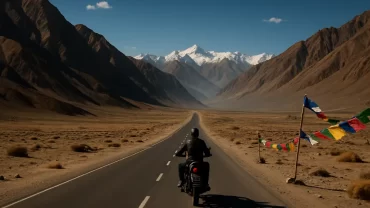
June is when Ladakh becomes fully open. The Manali–Leh Highway — one of the world’s most spectacular mountain roads — opens in early June, which means bikers from across India flood in. This is the classic bike trip month, with the Rohtang Pass, Baralacha La, Nakee La, Lachulung La, and Tanglang La all offering dramatic riding.
All trekking routes are open, including Markha Valley, Stok Kangri base camp, and Lamayuru to Alchi. White-water rafting on the Zanskar and Indus rivers is excellent in June when water levels are high from snowmelt.
Pangong Lake is in full summer splendour — the water is a vivid turquoise-blue, the surrounding mountains are reflected perfectly, and the weather allows for comfortable camping by the shore.
Best for: Bikers, trekkers, rafting enthusiasts, adventure travellers, and those who want to do everything.
Book in advance: Flights from Delhi to Leh get expensive in June. Book 2–3 months ahead.
July in Ladakh — Peak Season, Hemis Festival, Maximum Energy
Weather: Day: 28°C to 32°C | Night: 14°C to 17°C
Roads: All roads fully open and in best condition.
Crowds: Peak. Book everything months in advance.
July is Ladakh’s busiest and most vibrant month. The Hemis Tsechu — Ladakh’s most famous monastery festival — takes place in July (usually late June to early July, dates vary each year). The colourful cham mask dances performed by monks in the courtyard of Hemis Monastery draw thousands of visitors from across the world. It is a truly spectacular event that is unlike anything else in India.
Everything is open, accessible, and at maximum capacity. The weather is warm, the skies are blue, all passes are clear, and you can move freely between Nubra Valley, Pangong, Tso Moriri, and the Zanskar Valley. Rafting, trekking, camping — every activity is available.
This is the best month for first-time visitors who want to see Ladakh in its full glory without any constraints or risk of bad weather disruptions.
Watch out for: Accommodation books up extremely fast. Flight prices spike. Pangong Lake campsites fill up completely. Plan and book at least 3–4 months ahead.
Best for: First-timers, families, festival lovers, those who want guaranteed weather and open roads.
August in Ladakh — Full Bloom, Festivals & Families
Weather: Day: 27°C to 30°C | Night: 13°C to 16°C
Roads: All roads fully open.
Crowds: Peak, but slightly less than July.
August continues peak season with near-perfect weather. The Ladakh Festival — a government-organised cultural event in Leh — typically takes place in early September but often has events stretching into late August. It features polo, archery, traditional music, and folk dances from across the region.
This is the best month for families with children. The weather is stable, days are long and warm, and all attractions are open and easily accessible. The road from Leh to Pangong Lake (via Chang La) is smooth, and the drive itself is a highlight — passing through some of the most dramatic high-altitude landscapes in Asia.
Rafting on the Indus is excellent in August. The Nubra Valley sand dunes look spectacular under late summer light, and camel rides amid the dunes with Himalayan peaks in the backdrop are a genuinely surreal experience.
Best for: Families, casual tourists, cultural festival seekers, those who want the full Ladakh experience.
September in Ladakh — The Sweet Spot
Weather: Day: 20°C to 24°C | Night: 7°C to 12°C
Roads: Fully open but Manali–Leh closes from late October.
Crowds: Moderate — dropping significantly from August.
September is arguably the best month to visit Ladakh for experienced travellers. The crowds have thinned dramatically, prices have dropped, accommodation is available without advance booking, and the weather is still excellent. Daytime temperatures are comfortable, the skies are clear, and the autumn colours are beginning to touch the poplars and willows around Leh.
For trekkers, September offers the best conditions. Trails are well-worn from the summer season, weather windows are stable, and you can trek routes like Markha Valley, Zanskar Valley, and Stok Kangri with fewer people on the trail. The views are arguably sharper and more dramatic as the summer haze clears.
The Ladakh Festival is usually held in the first two weeks of September in Leh city — a great opportunity to witness traditional Ladakhi culture including polo matches, archery, folk dances, and monastery processions in one convenient event.
Best for: Trekkers, experienced travellers, photographers, couples, those seeking value for money.
Pro tip: September is our top recommendation for most travellers. You get 90% of the July experience at 60% of the cost and with far fewer people.
Ladakh in September feels like the mountains took a deep breath — the crowds are gone, the air is crisper, and somehow, it all looks more beautiful than it did in July.


October in Ladakh — Autumn Colours & Quiet Valleys
Weather: Day: 10°C to 15°C | Night: -5°C to 0°C
Roads: Manali–Leh closes around late October. Srinagar–Leh stays open until November. Internal roads open.
Crowds: Low. Peaceful.
October is beautiful in Ladakh and dramatically underappreciated. The poplar trees that line the roads and villages around Leh and the Indus Valley turn golden yellow, creating a spectacular contrast against the blue sky and brown mountains. The autumn colours are uniquely stunning in this high-altitude desert setting.
Temperatures are cool but very manageable during the day. Most hotels in Leh are still open in early-to-mid October, though many start closing by the end of the month. Pangong Lake, Nubra Valley, and Tso Moriri are all still accessible.
October is ideal for photography — the low-angle autumn light, the golden trees, the crystal-clear post-monsoon air, and the lack of tourist buses and people create perfect conditions for both landscape and street photography.
Watch out for: Book accommodation in advance as some properties close mid-month. Check road conditions for Manali–Leh before attempting the drive.
Best for: Photographers, peaceful travellers, couples, experienced hikers.
November in Ladakh — First Freeze & Local Life
Weather: Day: -2°C to 5°C | Night: -12°C to -8°C
Roads: Leh accessible by air only from this point. Internal roads open but cold.
Crowds: Very few tourists — mostly the adventurous and the curious.
November marks the real start of Ladakhi winter. The tourist infrastructure begins shutting down — many hotels close, restaurants reduce their hours, and the town of Leh takes on a quieter, more local character. This is actually the ideal time to experience Ladakh as Ladakhis live it.
November is wedding season in Ladakh. Because residents are not working in the fields, families arrange weddings during this period, and you may be lucky enough to be invited to witness or participate in traditional Ladakhi wedding celebrations — with local music, food, chang (local barley beer), and dancing.
The mountain landscapes under the first serious snowfall of winter are remarkably photogenic. Leh’s monasteries — Thiksey, Hemis, Diskit — are accessible, quiet, and available for deep exploration without the summer crowds.
Best for: Cultural immersion, off-the-beaten-path travellers, winter photography, those who want Leh entirely to themselves.
Practical note: Carry a good winter sleeping bag, thermal clothing, and confirm hotel availability before arrival. Dining options in Leh become limited.
December in Ladakh — Stargazing, Silence & Deep Cold
Weather: Day: -6°C to 0°C | Night: -18°C to -14°C
Roads: Air only. Internal roads accessible with caution.
Crowds: Almost none.
December is for the brave and the curious. It is one of the coldest months, but it offers something rare: absolute silence and one of the most spectacular night skies in all of Asia. With virtually zero light pollution and dry, clear winter air, Ladakh in December is a world-class destination for stargazing and astrophotography.
Leh’s old town, the palace, and monasteries take on an almost medieval atmosphere in December — frost-covered, quiet, and deeply atmospheric. The few hotels and homestays that remain open offer warm rooms, home-cooked meals, and the kind of genuine hospitality that gets buried under the weight of peak season tourism.
The Zanskar River has begun to freeze in parts by late December, setting the stage for the Chadar Trek that officially begins in January.
Best for: Astrophotographers, solitude seekers, those wanting a once-in-a-lifetime unique winter experience.
Essential preparation: Warm clothing is non-negotiable. Carry hand and foot warmers. Confirm your accommodation has heating. Always have a backup plan for flight delays due to snowfall.
Complete Month-by-Month Quick Referenc
| Month | Avg Temp | Roads | Crowds | Best For | Rating |
|---|---|---|---|---|---|
| January | −20° to −8° | Air only | Minimal | Chadar Trek | Adventure |
| February | −18° to −6° | Air only | Minimal | Chadar Trek, Losar | Adventure |
| March | −8° to 8° | Opening | Very Low | Photography | Off-season |
| April | 0° to 14° | Partial | Low | Early road trips | Moderate |
| May | 5° to 22° | Fully Open | Moderate | Biking, sightseeing | Excellent |
| June | 10° to 27° | Fully Open | High | All activities | Excellent |
| July | 14° to 30° | Fully Open | Peak | Families, Hemis Fest | Best Overall |
| August | 13° to 29° | Fully Open | Peak | First-timers | Best Overall |
| September | 7° to 22° | Fully Open | Low–Medium | Trekking, peace | Excellent |
| October | −2° to 14° | Partial | Low | Autumn photography | Good |
| November | −12° to 2° | Air only | Very Low | Cultural immersion | Off-season |
| December | −18° to −4° | Air only | Minimal | Stargazing, solitude | Off-season |
For the full itinerary, routes, and travel tips check our Ultimate Ladakh Travel Guide.
The Honest Activity Calendar: Choose the Correct Month for Your Activity

Best Time for Bike Trips on Manali–Leh Highway
The ideal window for a bike trip on the Manali–Leh Highway is late May to mid-September. The highway opens in early June (exact dates vary by year). June and September are the sweet spots — the road is open, weather is stable, and there is less traffic than July–August. Key passes including Baralacha La (4,892m), Nakee La, Lachulung La, and Tanglang La (5,328m) are all dramatic and accessible. Carry a full toolkit, spare tubes, chain lubricant, and know that mobile signal disappears for long stretches.
Best Time for Trekking in Ladakh
June through September is the prime trekking window. The Markha Valley Trek (5–7 days) is best in July–September. Stok Kangri summit (6,153m) is best attempted in July–August when weather windows are most reliable. Lamayuru to Alchi (3–4 days) works well in June and September when it is less crowded. The Chadar Trek on the frozen Zanskar River runs mid-January to mid-February and requires specific winter trekking gear and a licensed guide.
Best Time to Visit Pangong Tso Lake
June through September is the ideal window for Pangong Lake. The 134-km-long lake sits at 4,350m and is famous for its surreal colour — it shifts from azure to emerald to violet depending on the time of day and light. Summer provides full access and safe road conditions via the Chang La pass (5,360m). In winter the lake partially freezes and becomes inaccessible by road. An Inner Line Permit is required to visit Pangong — your tour operator handles this.
Best Time for Nubra Valley
June through September is the best time for Nubra Valley. The cold desert landscape, Diskit Monastery, Hunder sand dunes, and the rare double-humped Bactrian camels are all best experienced in summer. The 39km Khardung La pass (5,359m — one of the world’s highest motorable roads) that connects Leh to Nubra is open from May to October. An Inner Line Permit is required for Nubra Valley.
Best Time to See Snow Leopards in Ladakh
January and February are the best months to spot snow leopards in Ladakh. During these months, prey animals descend to lower altitudes and snow leopards follow. The areas around Hemis National Park, Ulley Valley, and Rumbak Valley are the best spots. Dedicated snow leopard safaris with local expert guides can be arranged — look for operators who contribute to conservation programs. Patience is essential; sightings are never guaranteed but Ladakh has one of the highest snow leopard densities in the world.
| Activity | May | Jun | Jul | Aug | Sep | Oct |
|---|---|---|---|---|---|---|
| 🏍️ Bike Trip | ◑ | ✓ | ✓ | ✓ | ✓ | ◑ |
| 🥾 Trekking | ◑ | ✓ | ✓ | ✓ | ✓ | ◑ |
| 🏞️ Pangong Lake | — | ✓ | ✓ | ✓ | ✓ | ◑ |
| 🐪 Nubra Valley | ◑ | ✓ | ✓ | ✓ | ✓ | — |
| 🎭 Hemis Festival | — | — | ✓ | — | — | — |
| 📸 Photography | ✓ | ✓ | ✓ | ✓ | ✓ | ✓ |
| 👨👩👧 Family Trip | ◑ | ✓ | ✓ | ✓ | ✓ | — |
Pro Tip from TripHills: If you are visiting between October and April, always carry a printed copy of your itinerary and emergency contacts. Mobile networks are unreliable or absent in many parts of Ladakh during off-season, and having information offline can be a lifesaver in remote areas.
How TripHills Makes Your Ladakh Trip Easy

At triphills we specialize in creating customized travel experiences across Ladakh. Whether you want a solo motorbike adventure, a family sightseeing holiday, or a trekking expedition, we have the right package for you. Our team has deep local knowledge, and we work with experienced guides, trusted drivers, and hand-picked accommodations to make your journey safe and memorable.
We also help with Inner Line Permits, oxygen cylinders for AMS emergencies, and complete logistics across the region. You do not have to worry about planning the details — we handle everything so you can focus on enjoying the mountains.

Comment (0)