Introduction

Some countries you visit. Bhutan, you feel.
Imagine driving through a quiet mountain road, prayer flags fluttering above your car, monks in maroon robes walking past a stream. No honking. No crowds. Just the sound of the wind and your own breathing.
That is Bhutan for you. A small kingdom tucked in the Eastern Himalayas, where the mountains are sacred, the air is clean, and happiness is actually a government policy.
For us Indians, Bhutan is like our shy neighbour with the biggest heart. No visa needed, direct flights from Kolkata and Delhi, and people who understand Hindi almost everywhere. And yet, the moment you cross the border at Phuentsholing or land in Paro, you feel like you have travelled to a different century.
If there is one country every Indian traveller should visit at least once in their lifetime, it is this one. Not for the Instagram photos. For the way it slows you down.
bhutan-flag
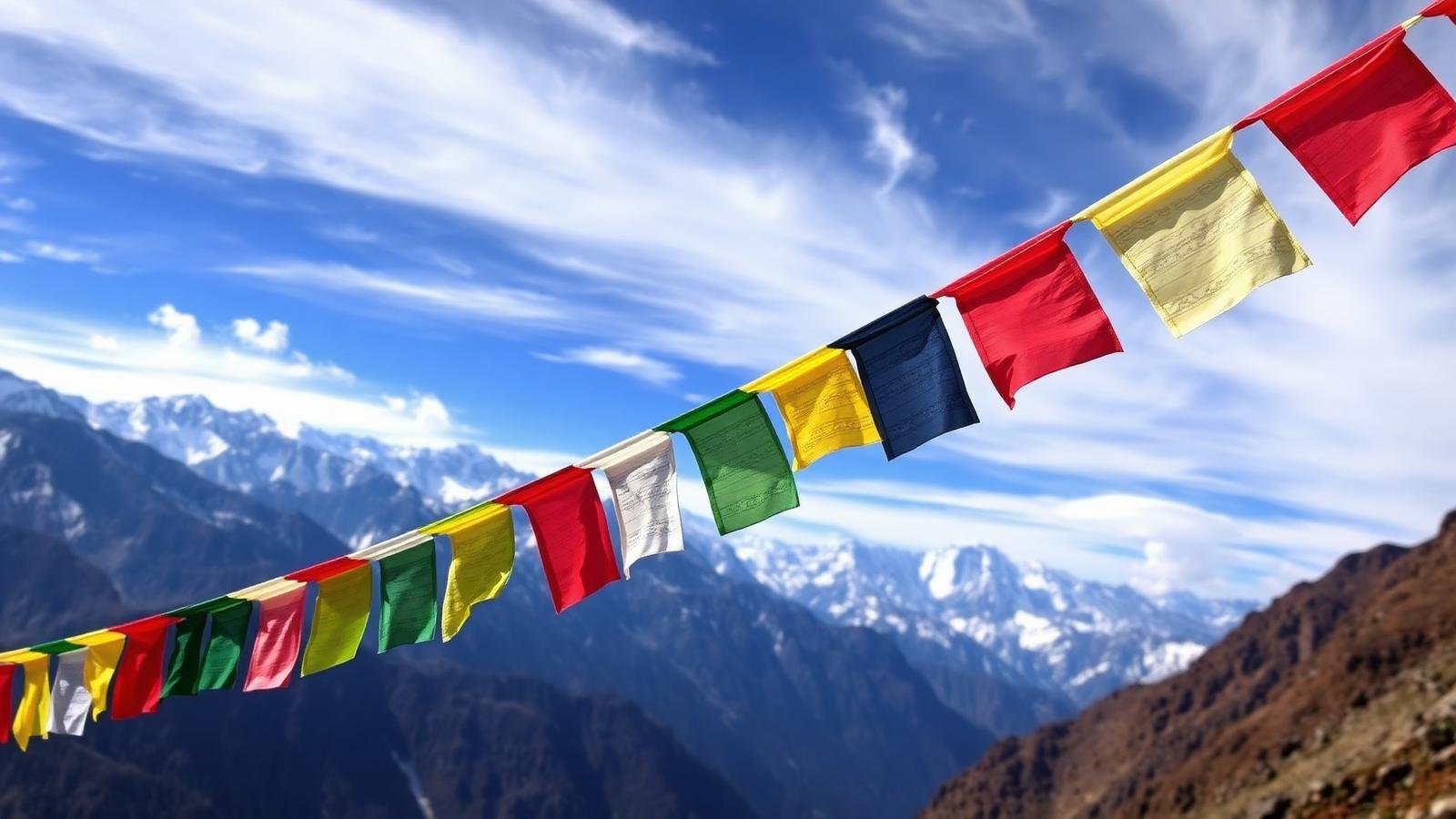
Prayer flags carry blessings with the wind — a sight you will never forget.

Why Visit Bhutan?

Bhutan is not a checklist destination. It is a mood. But if you still want reasons, here are eight strong ones.

Top Places to Visit

Bhutan is small, but every valley has its own personality. Here are the six you should not miss on your first trip.

01
Destination

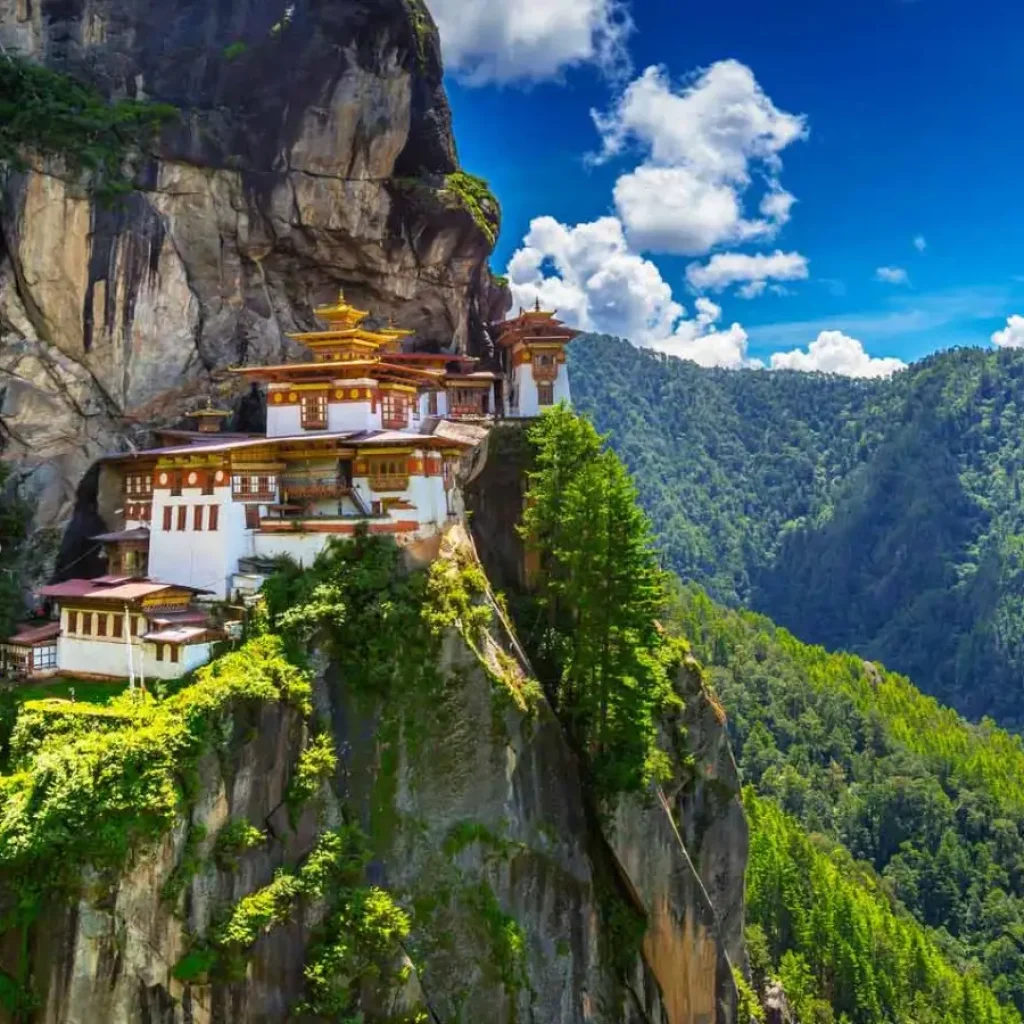
Paro

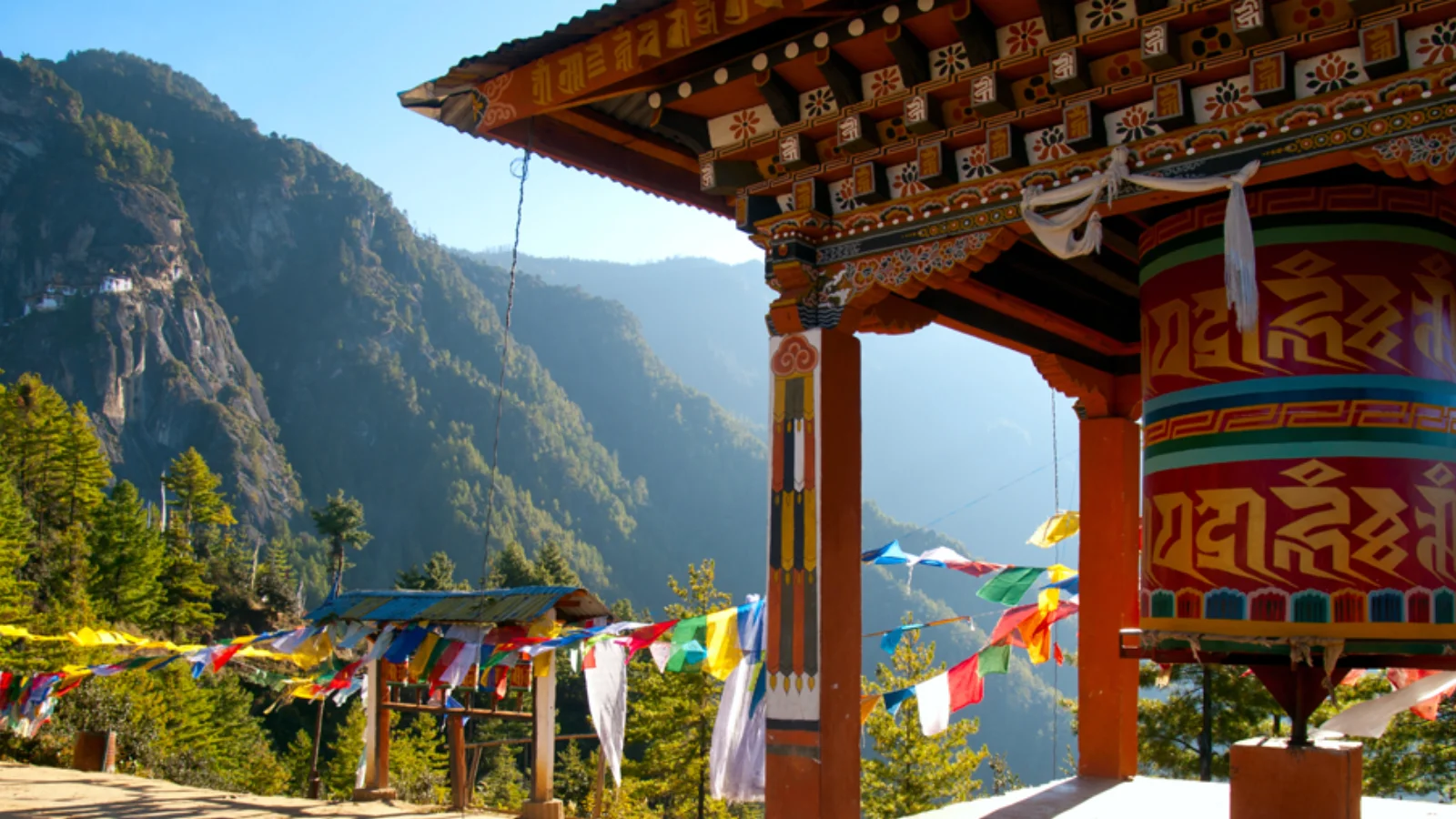
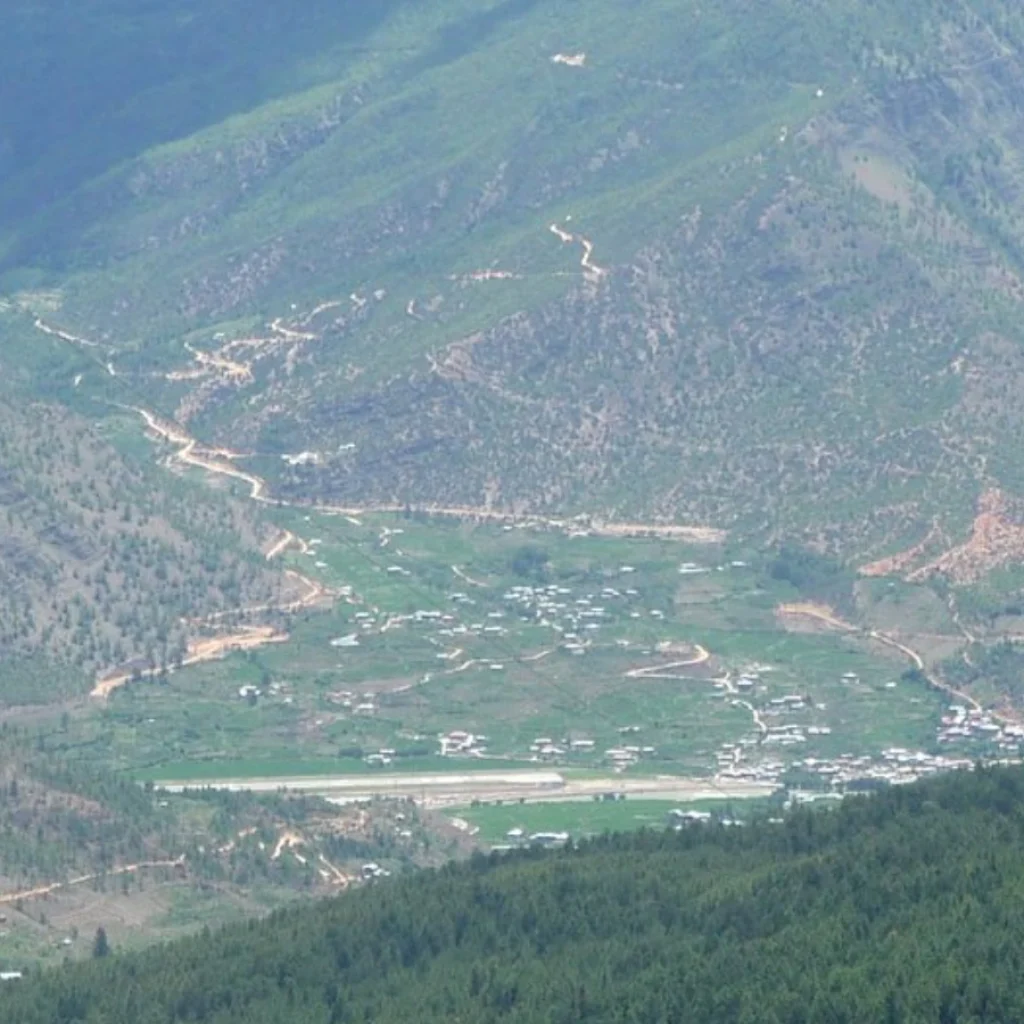
Where your Bhutan story begins. The only international airport in the country sits in this pretty valley, surrounded by pine forests and the mighty Paro Chhu river.

  • Best Experience: Hike to the iconic Tiger’s Nest Monastery (Taktsang).
  • Ideal Stay: 2 Nights
  • Best Time: March–May & October–November

Paro is the perfect gateway to Bhutan, home to the country’s only international airport. Surrounded by pine forests, the crystal-clear Paro Chhu River, and snow-capped Himalayan peaks, this charming valley is known for its peaceful atmosphere, ancient monasteries, traditional Bhutanese architecture, and breathtaking landscapes. It offers the perfect blend of culture, history, and natural beauty, making it an unforgettable start to your Bhutan journey.

02

Destination

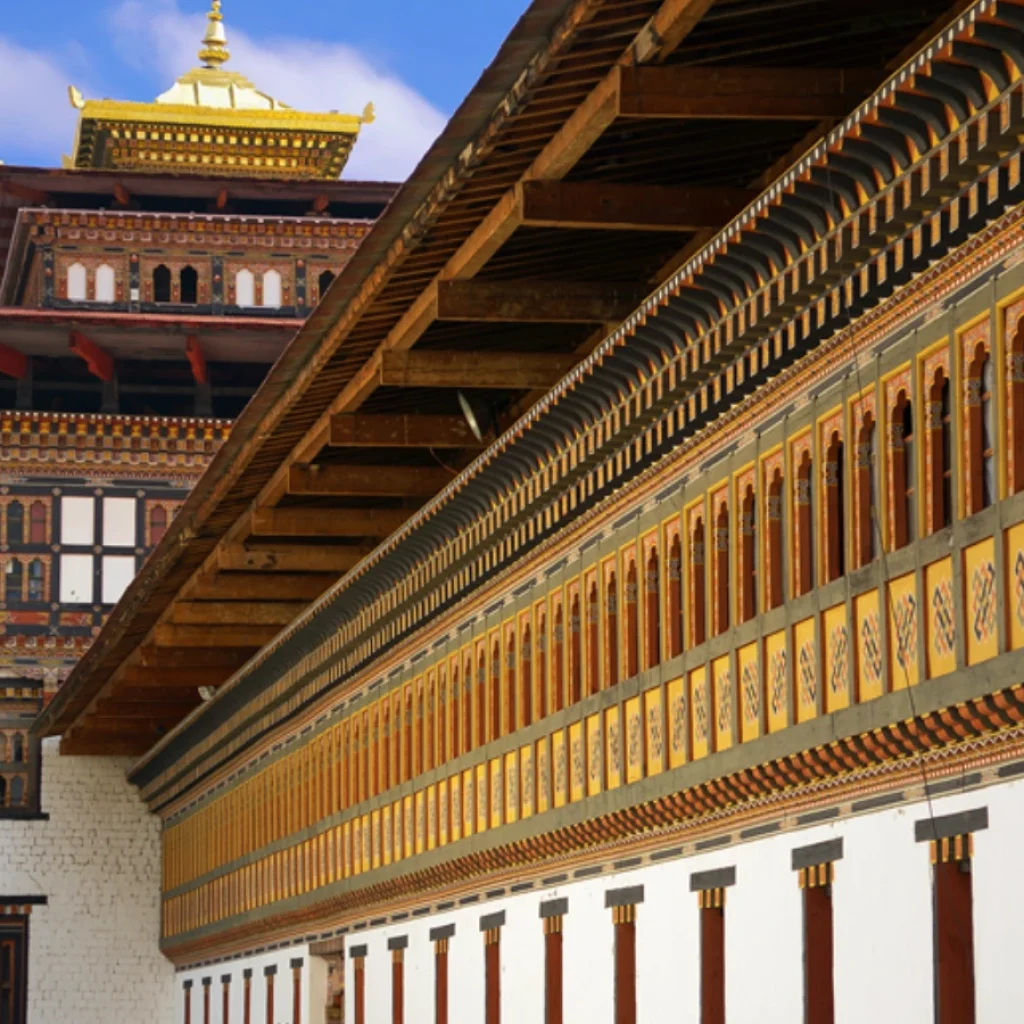
Thimphu

The world’s only capital city with no traffic lights. Thimphu is small, walkable, and where old Bhutan meets a slowly modernising country.

  • Best Experience: Visit Buddha Dordenma, Tashichho Dzong, and the lively local markets.
  • Ideal Stay: 2 Nights
  • Best Time: March–May & September–November

Thimphu, the capital of Bhutan, beautifully blends modern living with centuries-old traditions. Surrounded by forested hills, the city is known for its majestic monasteries, colorful festivals, vibrant handicraft markets, and rich cultural heritage. Explore iconic landmarks, sample authentic Bhutanese cuisine, and experience the unique charm of a capital city that has preserved its traditions while embracing sustainable development.
03

Destination

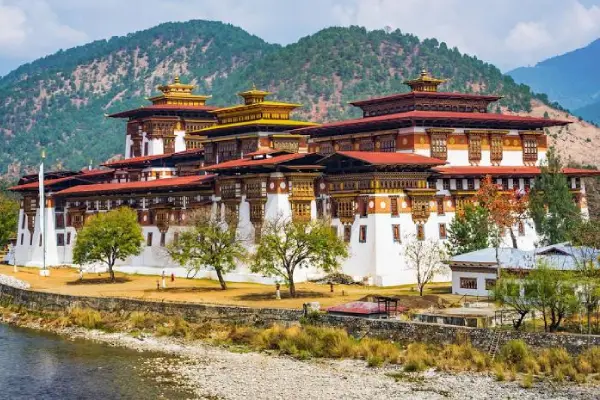
Punakha

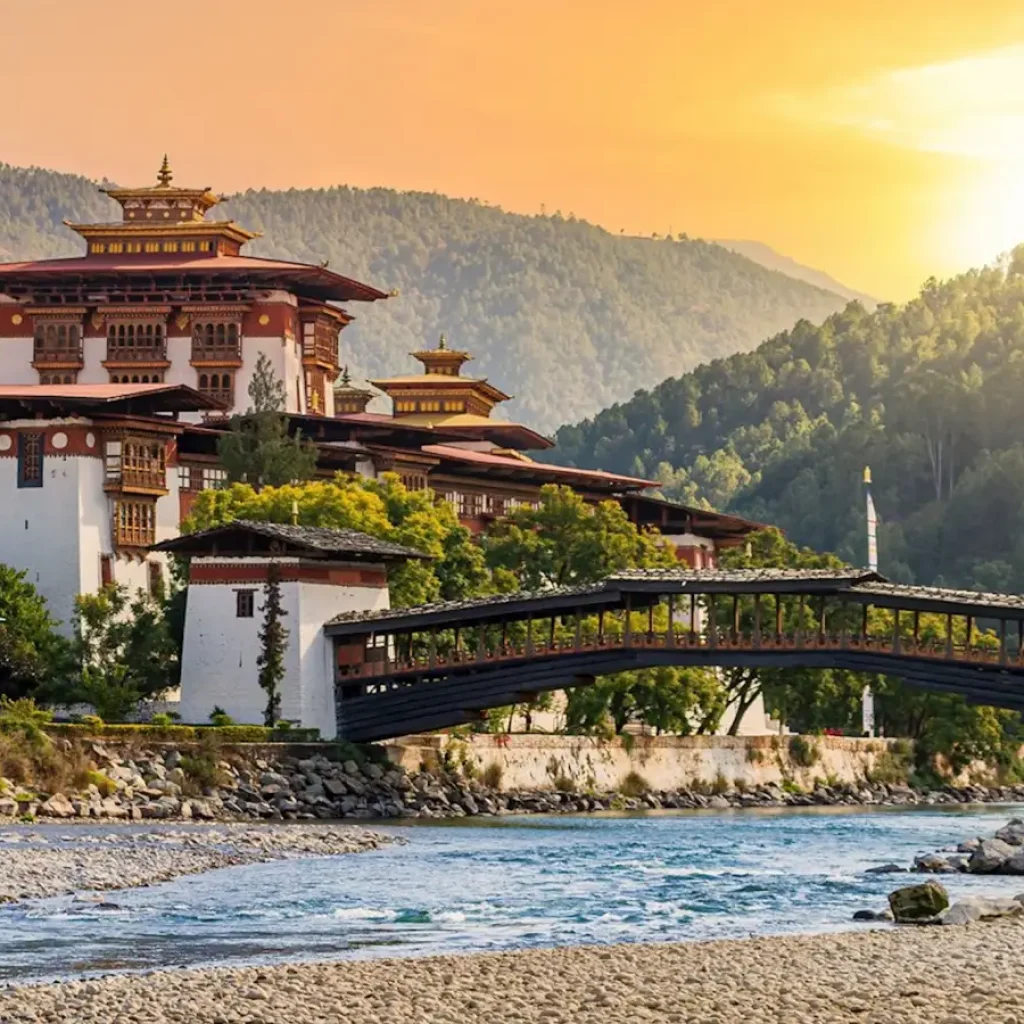
Warm, green and dramatic. Punakha was Bhutan’s old capital and still holds its most beautiful dzong, sitting at the meeting of two rivers.
Punakha
  • Best Experience: Visit the magnificent Punakha Dzong and walk across the Punakha Suspension Bridge.
  • Ideal Stay: 2 Nights
  • Best Time: March–May & September–November

Punakha, Bhutan’s former capital, is renowned for its stunning riverside landscapes, fertile valleys, and rich historical significance. Home to the breathtaking Punakha Dzong, this peaceful destination offers a perfect blend of culture, spirituality, and natural beauty. Visitors can enjoy scenic hikes, river views, traditional villages, and a relaxing atmosphere surrounded by lush greenery.
04

Destination

Phobjikha Valley

A wide, glacial valley where black-necked cranes fly in every winter. If you want silence, sheep and stars, come here.
  • Best Experience: Spot the rare Black-Necked Cranes and enjoy peaceful nature walks.
  • Ideal Stay: 1–2 Nights
  • Best Time: October–February

Phobjikha Valley is one of Bhutan’s most beautiful glacial valleys, famous for its untouched landscapes and tranquil atmosphere. Surrounded by rolling hills and alpine forests, it is the winter home of the endangered Black-Necked Cranes. With scenic hiking trails, traditional villages, and breathtaking mountain views, the valley offers a perfect escape for nature lovers, birdwatchers, and those seeking peace in the Himalayas.
05

Destination

Bumthang

Bhutan’s spiritual heartland. Four beautiful valleys full of temples, apple orchards and one of the country’s few breweries.

Bumthang
  • Best Experience: Explore ancient monasteries, sacred temples, and traditional Bhutanese villages.
  • Ideal Stay: 2–3 Nights
  • Best Time: March–May & September–November

Bumthang is considered the spiritual heart of Bhutan, known for its sacred monasteries, peaceful valleys, and rich Buddhist heritage. Surrounded by lush forests and picturesque landscapes, the region offers a unique blend of history, culture, and natural beauty. Visitors can explore centuries-old temples, enjoy scenic countryside walks, and experience authentic Bhutanese traditions in charming local villages.
06

Destination

Haa Valley

Bhutan’s best-kept secret. Fewer tourists, ancient temples, and a landscape that feels almost too pretty to be real.

haa valley
  • Best Experience: Drive across Chele La Pass and explore Haa’s untouched valleys and monasteries.
  • Ideal Stay: 1–2 Nights
  • Best Time: April–June & September–November

Haa Valley is one of Bhutan’s most secluded and least-explored destinations, offering breathtaking mountain scenery, traditional villages, and a peaceful atmosphere. Surrounded by dense forests and alpine landscapes, the valley is perfect for nature lovers and cultural explorers. From scenic drives over Chele La Pass to ancient monasteries and authentic local experiences, Haa Valley provides a refreshing escape into Bhutan’s untouched beauty.

Best Time to Visit Bhutan

Bhutan is beautiful all year, but each season has its own mood. Here is a quick comparison to help you plan.
Season Weather Highlights Recommended For
Spring (Mar–May) 10–22°C, blooming Rhododendrons, Paro Tshechu First-timers, honeymooners
Summer (Jun–Aug) 15–25°C, monsoon Lush green valleys, fewer tourists Budget travellers
Autumn (Sep–Nov) 8–20°C, clear skies Thimphu Festival, Himalayan views Photographers, trekkers
Winter (Dec–Feb) -5 to 12°C, sunny cold Black-necked cranes, low crowd Solitude seekers

Best Things to Do

Craving a hot stone bath after a mountain hike?

We know the best family-run farmstays where the water is fresh and the hospitality is warmer.

Discover the Beauty of Bhutam

Bhutan Honeymoon Package 7 Nights 8 Days

Bhutan Honeymoon Tour Package 6 Nights 7 Days

Bhutan Food You Must Try

Ema Datshi

Ema Datshi

The national dish — green chillies swimming in cheese. Fiery and iconic.

Where to try: Any local restaurant in Thimphu.
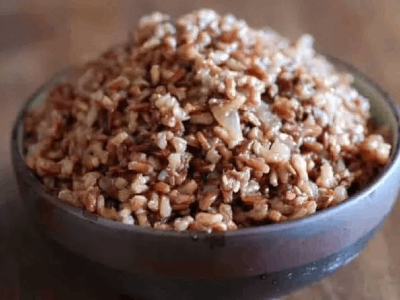
Red Rice

Red Rice

Nutty, chewy Himalayan rice grown in Paro's terraced fields.

Where to try: Every meal, everywhere.
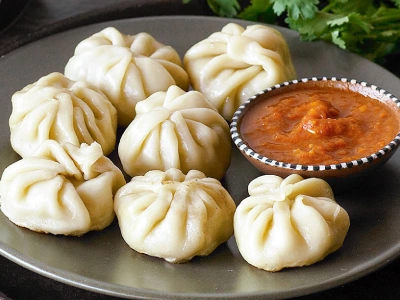
Momos

Bhutanese momos have thicker skin and a lovely spicy chutney.

Where to try: Norzin Lam street stalls, Thimphu.
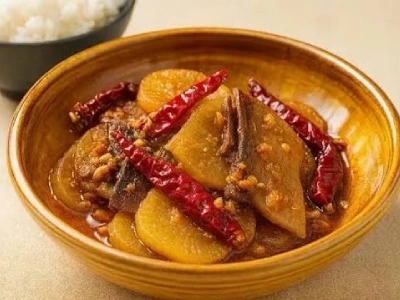
Phaksha Paa

Pork stew with radish, dry chillies and mountain spices.

Where to try: Family-run inns in Bumthang.
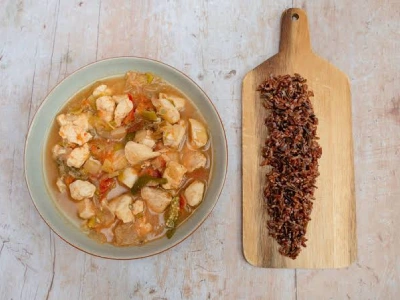
Jasha Maroo

Jasha Maroo

Spicy minced chicken curry — mild by Bhutan standards.

Where to try:Punakha valley cafés.
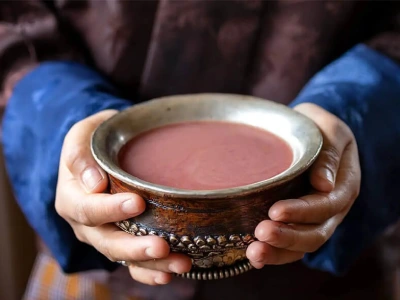
Suja (Butter Tea)

Salted butter tea. Weird first sip, addictive by day three.

Where to try: Any farmhouse stay.
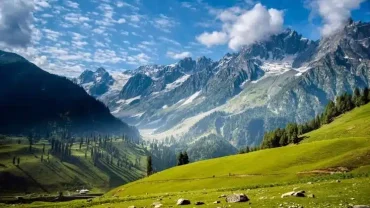
Skip the tourist plate. Sit at a real Bhutam table.

Eat with locals, not next to them

Sample 5-Day Bhutan Itinerary

1
DAY 1

Arrive Paro → Thimphu

Land at Paro (one of the world's most scenic landings), drive 1.5 hrs to Thimphu. Evening walk on Norzin Lam.

2
DAY 2

Thimphu Sightseeing

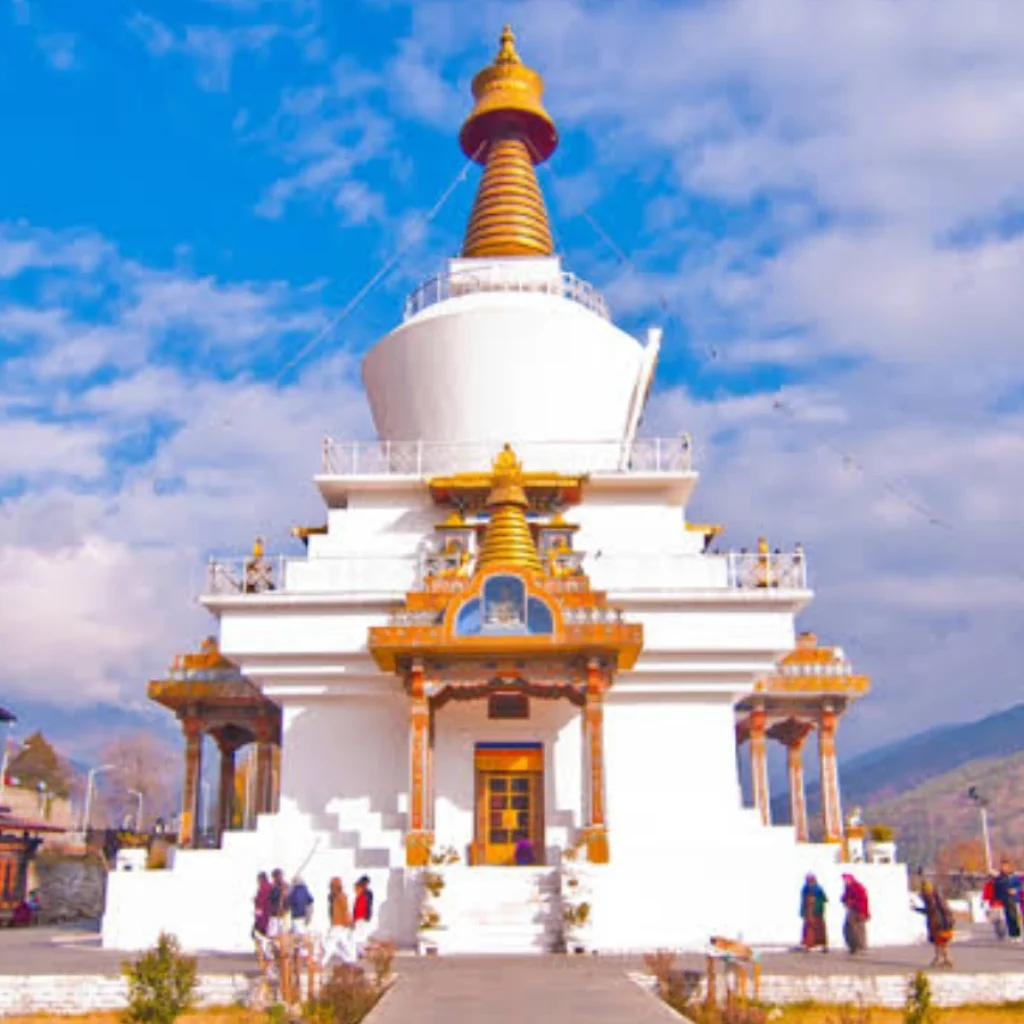
Buddha Dordenma, Memorial Chorten, Folk Heritage Museum. Try archery in the afternoon.

3
DAY 3

Thimphu → Punakha

Cross Dochu La Pass (108 stupas + Himalaya views). Explore Punakha Dzong and the Suspension Bridge.

4
DAY 4

Punakha → Paro

Drive back to Paro. Afternoon visit to Rinpung Dzong and Paro town for shopping.

5
DAY 5

Tiger's Nest Hike + Fly Out

Early morning hike to Taktsang. Return to hotel, freshen up, catch your evening flight home.

📌Did You Know?

Paro Airport is considered one of the most difficult landings in the world. Only about 50 pilots are certified to land here. Enjoy the drama — but book a window seat.

Want this itinerary tailored to your dates?

Share your travel window and we will send you a personalised plan within 24 hours.

Travel Tips: Before You Go

Packing
Layers, layers, layers. Even in summer, nights are cold. Comfy trekking shoes are non-negotiable.
Permit
Indians don’t need a visa but do need an entry permit. Get it online or at Paro airport / Phuentsholing.
Currency
Ngultrum (BTN) = INR 1:1. INR is accepted everywhere except ₹500 and ₹2000 notes — carry ₹100s.
Packing
Buy a Bhutan Telecom or TashiCell SIM at the airport. Wi-Fi in hotels is decent, mobile data is patchy in valleys.
Safety
Bhutan is one of the safest countries in the world. Solo female travellers report feeling very comfortable.
Responsible Tourism
No single-use plastic. Don’t touch prayer flags. Ask before photographing monks and locals.

Things travellers actually ask

No. Indian passport or voter ID + an entry permit issued online or on arrival is enough.
5–7 days is the sweet spot. Anything less feels rushed; anything more, and you may want to trek.
The SDF adds cost, but overall it’s still cheaper than Europe or Southeast Asia for the same quality of experience.
Roaming works in border towns, but buy a local SIM for reliable data across the country.
Yes — one of the safest in Asia. Locals are respectful and helpful.
You will come back with fewer photos than a Europe trip. But you will come back different. Slower. Kinder. A little more at peace. You will find yourself missing the smell of pine and juniper, the silence of Phobjikha at night, the young monk who smiled at you at Punakha Dzong. You will remember butter tea more than you thought you would. Bhutan is not a destination on a bucket list. It is a small, quiet gift the Himalayas give you — and you will thank yourself, for years, for accepting it.