Ladakh for First-Time Travelers: If you’ve been dreaming of visiting Ladakh and this is your first time planning a trip, you’re in for an unforgettable adventure. Located in the northernmost region of India, Ladakh is renowned for its breathtaking landscapes, ancient monasteries, and thrilling road trips that challenge even the most seasoned travelers. Whether you’re a nature enthusiast, a cultural explorer, or an adrenaline junkie, Ladakh offers something for everyone. However, traveling to this high-altitude destination requires preparation, especially for first-time visitors.
Ladakh’s average elevation is 3,500 meters, with its highest driveable points reaching 5,600 meters. It has some of the world’s most breathtaking high-altitude lakes, historic Buddhist monasteries, and roads that cause even seasoned tourists to pause and gaze. However, if you enter it unprepared, it is also far away, erratic, and utterly merciless.
We have assisted hundreds of first-timers in organizing their trips to Leh Ladakh at TripHills, and the questions are consistently the same. What time should I leave? How can altitude sickness be prevented? Which permits are required? What should I bring? This blog provides all the information you need to transition from a nervous first-time visitor to a self-assured Ladakh traveler.
This is not a choice. It is the most crucial thing a first-time visitor to Ladakh needs to comprehend. You are already at 3,500 meters when you arrive in Leh. No matter how fit you are, your body needs time to adjust because the oxygen in the air is noticeably thinner than it is at sea level. The most frequent error is to rush into sightseeing within hours of landing, which nearly always results in Acute Mountain Sickness (AMS).
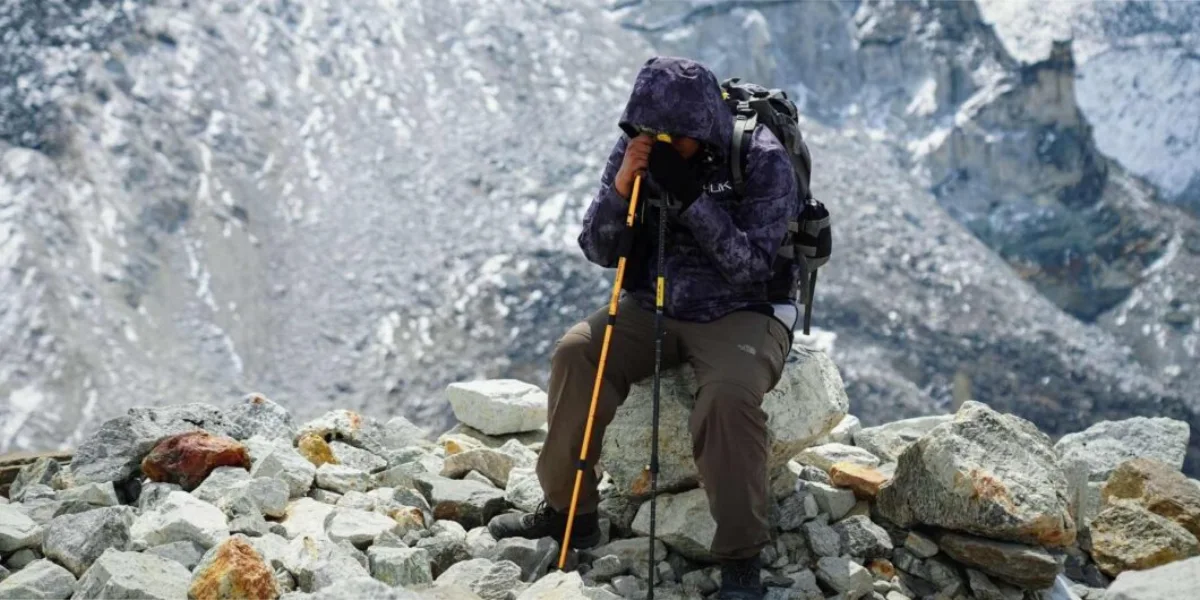
Splitting headaches, nausea, lightheadedness, exhaustion, and appetite loss are all signs of AMS. On the first day, the majority of travelers experience at least mild symptoms. The proper course of action is straightforward: stay in your room, eat light meals, drink lots of water, and avoid exerting yourself. On the first day, avoid taking walks, climbing stairs quickly, and going to a high-altitude pass like Khardung La. Before engaging in any activity, give yourself a full 24 to 48 hours in Leh.
If your headache is persistent and worsening, or you feel chest tightness, confusion, or cannot walk straight, do not wait. Seek medical help immediately or descend to a lower altitude. AMS can escalate into serious conditions like High Altitude Pulmonary Edema (HAPE) or High Altitude Cerebral Edema (HACE), both of which are life-threatening.
As a preventive measure, many physicians advise taking Diamox (acetazolamide). Before your trip, though, speak with your doctor because it has side effects and isn’t appropriate for everyone. The best natural acclimatization techniques include drinking plenty of water, abstaining from alcohol for the first 48 hours, and getting enough sleep.
📍 Key Altitudes You Will Encounter in Ladakh
Unlike most hill stations, Ladakh is not a year-round destination. Knowing the window for accessible, safe, and comfortable travel can make the difference between a fantastic trip and a nightmare. For most tourists, especially those who are visiting Ladakh for the first time, May through September is the ideal time of year. The roads are accessible, the mountain passes are open, and the daytime weather is suitable for outdoor activities, driving, and sightseeing during these five months.
If you want cooler weather and fewer crowds, May is the best month. The Hemis Festival, one of the biggest masked dance festivals in the Himalayas, typically takes place in July, but June through August also sees the highest number of visitors and festival activity. September is perhaps the most underappreciated month because the roads are still open, the skies are clear after the short monsoon shadow, and the number of tourists starts to decline dramatically.
The choice of how to travel to Ladakh is a significant one that affects the entire experience. Flying into Leh Kushok Bakula Rimpochee Airport or traveling by car via the Manali-Leh Highway or the Srinagar-Leh Highway are the two primary choices. Each has benefits of its own, and the decision is more important than you might imagine for a novice.
The quickest and most practical option is flying. There are direct flights from Srinagar, Delhi, Mumbai, and Chandigarh. On its own, the aerial view of the Himalayas during your descent into Leh is unforgettable. However, flying requires an abrupt change in altitude—your body travels from sea level to 3,500 meters in roughly 90 minutes—making rigorous acclimatization upon arrival even more crucial.
On the other hand, traveling by road allows your body to ascend more gradually and gently. The Manali to Leh highway travels about 490 km over two days, stopping at Sarchu or Jispa, and passes through passes like Rohtang, Baralacha La, and Tanglang La. The more environmentally friendly route from Srinagar to Leh travels via Kargil and the breathtaking Zoji La Pass. From late May to early October, both roads are usually reachable.
| Route | Distance | Duration | Open Season | Best For |
|---|---|---|---|---|
| Flight to Leh | — | ~1.5 hrs from Delhi | Year Round | First-timers, families |
| Manali–Leh Highway | ~490 km | 2 days (with halt) | Jun – Oct | Bikers, road trip lovers |
| Srinagar–Leh Highway | ~430 km | 1–2 days | May – Nov | Scenic drive, culture |
▲ Route comparison for reaching Ladakh — choose based on your time, budget, and adventure appetite
Several of the most iconic places in Ladakh — including Pangong Tso, Nubra Valley, Tso Moriri, and Dah Hanu — fall within protected or restricted zones, and entry requires official permits. Without these, you will be turned back at checkpoints, no matter how far you have traveled. Arranging permits is straightforward but must be done beforehand.
🇮🇳 For Indian Nationals
- Inner Line Permit (ILP) required
- Available online via Ladakh tourism portal
- Also available at DC office, Leh
- Carry ID proof + passport photos
- Usually processed same day
🌍 For Foreign Nationals
- Protected Area Permit (PAP) required
- Must travel in groups of 2+ with licensed guide
- Apply through registered travel agency
- Valid passport copy mandatory
- Some areas remain restricted entirely
If you book a Ladakh tour package through a registered agency like TripHills, permits are typically handled on your behalf. Still, carry physical copies of all permits during your trip — checkpoints in remote areas are strict, and digital copies are not always accepted.
One of the world’s most striking diurnal temperature variations is found in Ladakh. On a July summer day, you might be shivering in your sleeping bag at night when the temperature drops to almost 5°C and perspiring in the afternoon sun at 25°C. Because of this extreme variation, as well as the dry desert air and strong UV radiation at high altitudes, packing wisely is essential rather than optional.


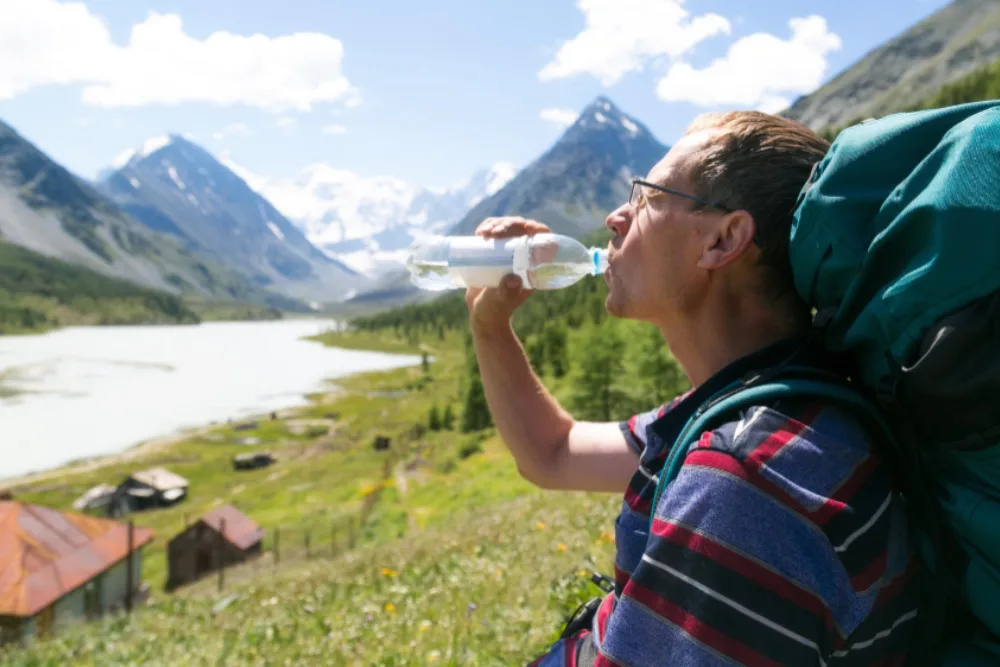
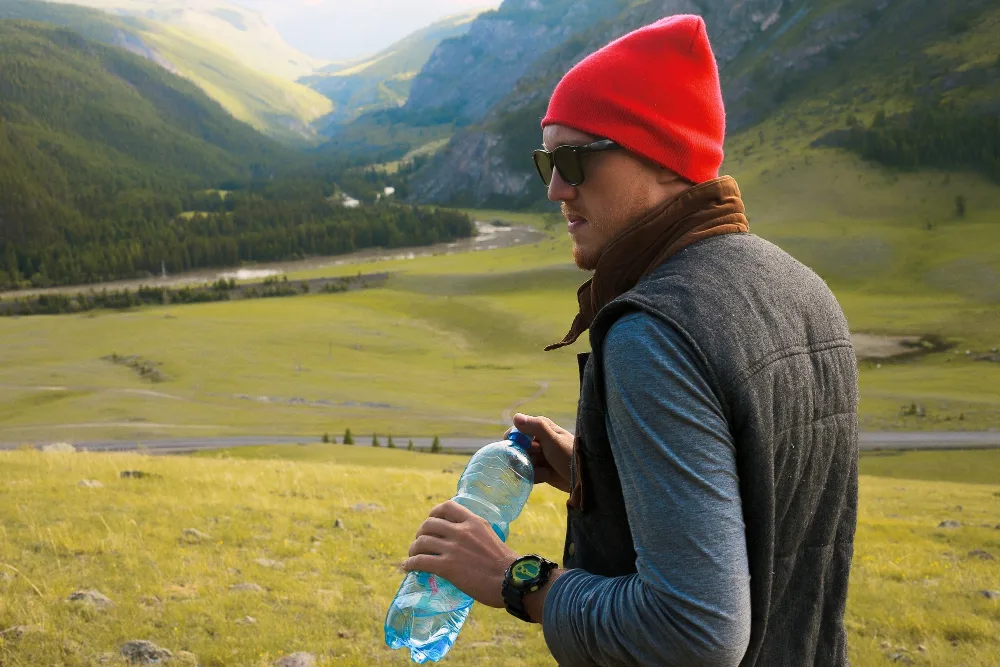
Your body loses water through respiration more quickly at high altitudes. Even if you are not thirsty, the dry Ladakhi air speeds up dehydration, which exacerbates the symptoms of altitude sickness. Throughout your journey, try to consume three to four liters of water every day. Always have a reusable bottle with you, and fill it up at your lodging or from reputable sources.
Particularly during the first two days, eat small, easily digested meals. Steer clear of red meat, heavy, oil-rich foods, and anything else that could upset your digestive system. Simple dal-rice, tsampa (roasted barley), and thukpa (Tibetan noodle soup) are all great local options. A staple in the area, the well-known Gur Gur chai, or salted butter tea, is incredibly comforting at high altitudes. Since alcohol lowers blood oxygen levels and significantly exacerbates AMS, it should be completely avoided during the first 48 hours.
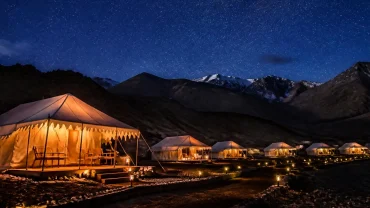
Over the past ten years, Ladakh’s lodging situation has significantly improved. There is accommodation for every kind of traveler, from affordable guesthouses and dorms in Leh Bazaar to upscale tented camps with views of Pangong Lake and boutique eco-lodges in Nubra Valley. However, there is a huge spike in reservations during peak season, which is June, July, and August, and the best options sell out weeks in advance.
We strongly advise making reservations for your stays at least four to six weeks in advance of your trip during the busiest times of the year. Early reservations are even more important for the sand dune camps in Nubra near Diskit or the lakeside camps at Pangong. Ladakhi homestays are among the most satisfying options if you’re looking for a genuine experience; no five-star hotel can match the friendly hospitality, home-cooked meals, and interactions with local families.
The majority of mid-range hotels, eateries, and retail establishments in Leh accept card and UPI payments, and the city has a number of operational ATMs. However, it becomes a cash-only world as soon as you leave the city limits and enter Nubra, Hanle, Turtuk, or isolated camping areas. The majority of village homestays, small dhabas along highways, fuel stations, and permit offices in outer zones all run completely on cash.
💰 Estimated Daily Budget for Ladakh (Per Person)


If you’re going to Ladakh alone or on a Royal Enfield bike trip, keeping track of your gas is a safety issue, not a convenience issue. Gas stations can be found in Leh, Kargil, and a few other places along main roads. But if you go to Pangong, Hanle, Turtuk, or Umling La, the highest road in the world that can be driven on at 5,883 meters, you can go 150 to 200 km without a gas station. Running out of gas in these places is not only annoying, but it can also be dangerous when it’s dark or the weather is bad. Always fill up all the way in Leh. For the most remote routes, bring a small jerrycan with you.
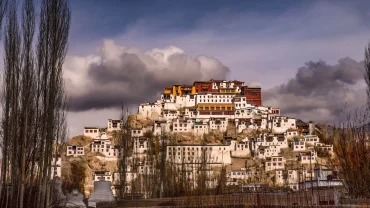
Ladakh is one of the most spiritually alive places you’ll ever go. There are old Buddhist gompas (monasteries) all over the place, like Thiksey, Hemis, Lamayuru, and Diskit. The Ladakhi-Tibetan culture is a big part of everyday life here. As a visitor, following a few simple rules of respect goes a long way. If you break them, it makes the community look bad to tourists..
Always remove shoes before entering any monastery or prayer hall. Dress modestly — cover shoulders and knees near religious sites. Walk clockwise around stupas, chortens, and prayer wheels — never counterclockwise. Ask permission before photographing monks, elders, or locals in villages. Keep voices low inside gompa premises, especially during active prayers. Never touch or move religious objects, murals, or butter lamps inside temples.
In Leh city and the area around it, Jio, Airtel, and BSNL all have good signals, so mobile connectivity works well. But when you go to Pangong, Nubra, Hanle, or the Zanskar valley, the signals from private operators get much weaker and sometimes even go away completely. BSNL is still the only reliable network in most of Ladakh’s remote areas, so it’s a good idea to carry a BSNL SIM card or a phone that works with BSNL.
Before you leave Leh each day, make sure to download offline maps (Google Maps works well offline when downloaded ahead of time), tell your family or hotel about your travel plans, and set realistic check-in times. It’s not common or reliable to have internet access in remote guesthouses. This disconnection is actually what makes Ladakh so deep. Instead of fighting it, accept it.


A lot of people don’t buy travel insurance because they think it’s a waste of money. In Ladakh, this is a very expensive mistake. When someone gets sick or hurt in a remote, high-altitude area, they often need to be flown out by helicopter. Depending on where they are and what the weather is like, a helicopter rescue can cost anywhere from ₹1.5 lakh to ₹4 lakh. When you go to Ladakh, you need a full travel insurance policy that covers high-altitude trekking, adventure sports, emergency evacuation, trip cancellation, and lost luggage.
Pay close attention to the small print. Some standard travel policies clearly say that activities above 4,000 meters or adventure activities like biking and trekking are not covered. Pick a policy that covers travel to the Himalayas at high altitudes and has a 24/7 emergency helpline that works in India.


The ecosystem of Ladakh’s high-altitude desert is particularly delicate. Outside of Leh, the area has very little infrastructure for managing waste, very little water supply, and soil that is difficult to recover from human impact. Trekking trail erosion, overflowing trash near campsite areas, and plastic litter along mountain roads are all obvious effects of the last ten years’ explosive growth in tourism. Responsible tourism in Ladakh is a real obligation for tourists, not just a catchphrase.
Return with all of your non-biodegradable waste. Reusable water bottles should be used instead of single-use plastic bags. When hiking, stay on designated trails and never set up camp outside of them. Steer clear of using chemical soaps close to lakes or rivers. Water is scarce in remote villages, so use it sparingly. Nowadays, a lot of campsites and guesthouses have a no-plastic policy; actively support them. Recall that you are visitors to one of the planet’s most pristine wilderness regions.
It is certainly feasible for a novice to travel independently in Ladakh, but it has a steep learning curve, a significant logistical burden, and a smaller margin of error than most other Indian destinations. From airport pickup and lodging to permits, transportation, and a local guide who knows exactly when a pass is open, which camp is truly good, and where the best local food in Leh actually is, a well-planned Ladakh tour package from Delhi or your home city streamlines every aspect of the experience.
At TripHills, our curated Ladakh packages are designed specifically for different traveler types — couples looking for a romantic lakeside experience, families with children, solo women travelers, bike trip groups, and photographers chasing the perfect golden-hour shot at Pangong. A knowledgeable guide does not just navigate — they add an entirely different dimension of storytelling, safety, and discovery to your trip that no amount of online research can replicate.
Attempting to cover too much in too little time is one of the most common mistakes made by beginners in Ladakh. Some of the most fulfilling experiences here, like sitting quietly by a lake at dusk, conversing with an elderly monk in a hilltop monastery, or witnessing nomadic families set up camp at sunset, simply cannot be crammed into a strict schedule. The roads are slow, the distances are longer than they appear on a map, and the altitude requires rest. Give Ladakh space to breathe.
Rest on arrival day. Day 2: Leh Palace, Shanti Stupa, Leh Bazaar. No high-altitude excursions yet.
Cross Khardung La (5,359m), visit Diskit Monastery, Hunder sand dunes, double-humped camel ride at sunset.
Drive from Nubra via Shyok valley. Arrive Pangong by afternoon, overnight lakeside camp, sunrise at the lake.
Return to Leh via the scenic southern route. Visit monasteries and the Druk White Lotus School.
Last morning in the bazaar, souvenirs, fly back carrying memories that last a lifetime.
If your schedule permits, you can add Tso Moriri Lake, the ancient valley of Zanskar, or the isolated Changthang Plateau to your trip. These locations see far fewer tourists and reward you with solitude, untainted scenery, and wildlife like the Tibetan wild ass (Kiang) and snow leopard tracks in the winter.
Ladakh will put you to the test. You will slow down due to the altitude. Your patience will be put to the test on the roads. There will be no more connectivity. At some point, you will fully comprehend why this location is referred to as the last shangri-la, whether you are standing at the edge of Pangong Lake watching the water change from blue to green to silver in the afternoon light or witnessing the shadow of a monastery fall across an old prayer wall at dawn.
This guide’s 15 suggestions are not intended to frighten you. They are designed to ensure that nothing prevents you from experiencing Ladakh in its entirety and without reservation. Be well-prepared, have an open mind, and give yourself enough time to get used to the place. It only asks for that.
✅ Quick Recap — 15 Tips at a Glance
- Acclimatize for 24–48 hours in Leh before any high-altitude activity
- Travel between May and September for the best experience
- Choose your mode of travel (flight vs road) based on time and fitness
- Get your Inner Line Permit (ILP) or Protected Area Permit (PAP) in advance
- Pack thermal layers, sunscreen, UV glasses, and personal medicines
- Drink 3–4 litres of water daily; eat light; avoid alcohol initially
- Book accommodation 4–6 weeks ahead in peak season
- Carry sufficient cash — ATMs vanish beyond Leh city
- Fill up fuel completely before remote routes; carry a reserve
- Respect monasteries, local culture, and Buddhist traditions
- Get a BSNL SIM and download offline maps before leaving Leh
- Buy comprehensive travel insurance covering high-altitude evacuation
- Travel responsibly — no plastic, no littering, conserve water
- Book a guided tour for your first trip for safety and deeper experience
- Plan a minimum of 7–8 days; 10+ days if possible — don't rush Ladakh
Comment (0)