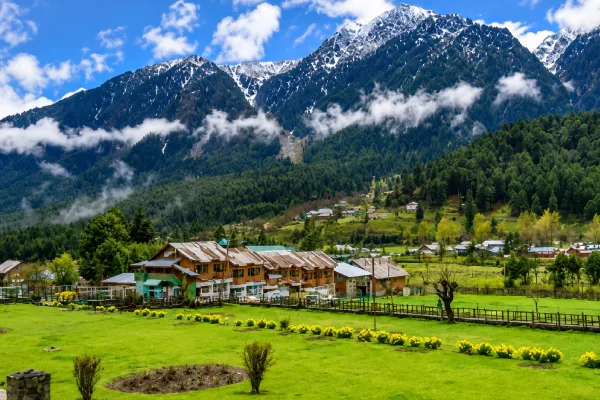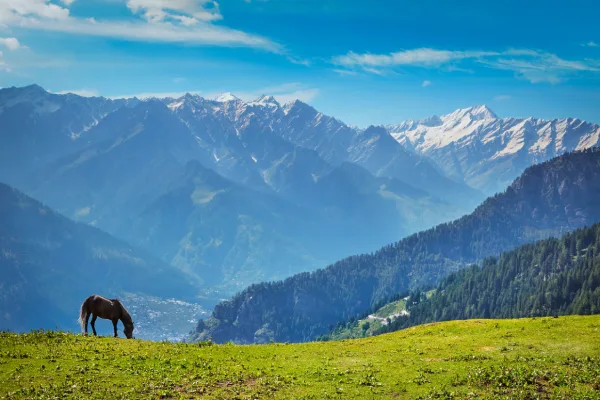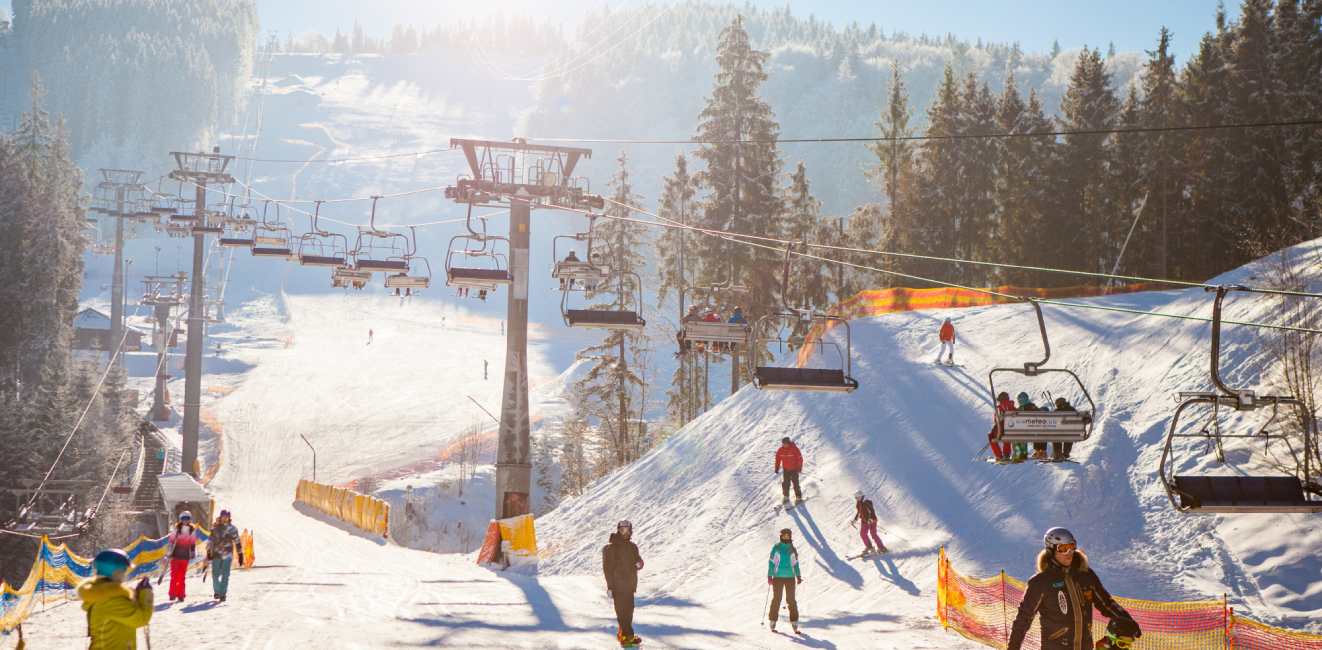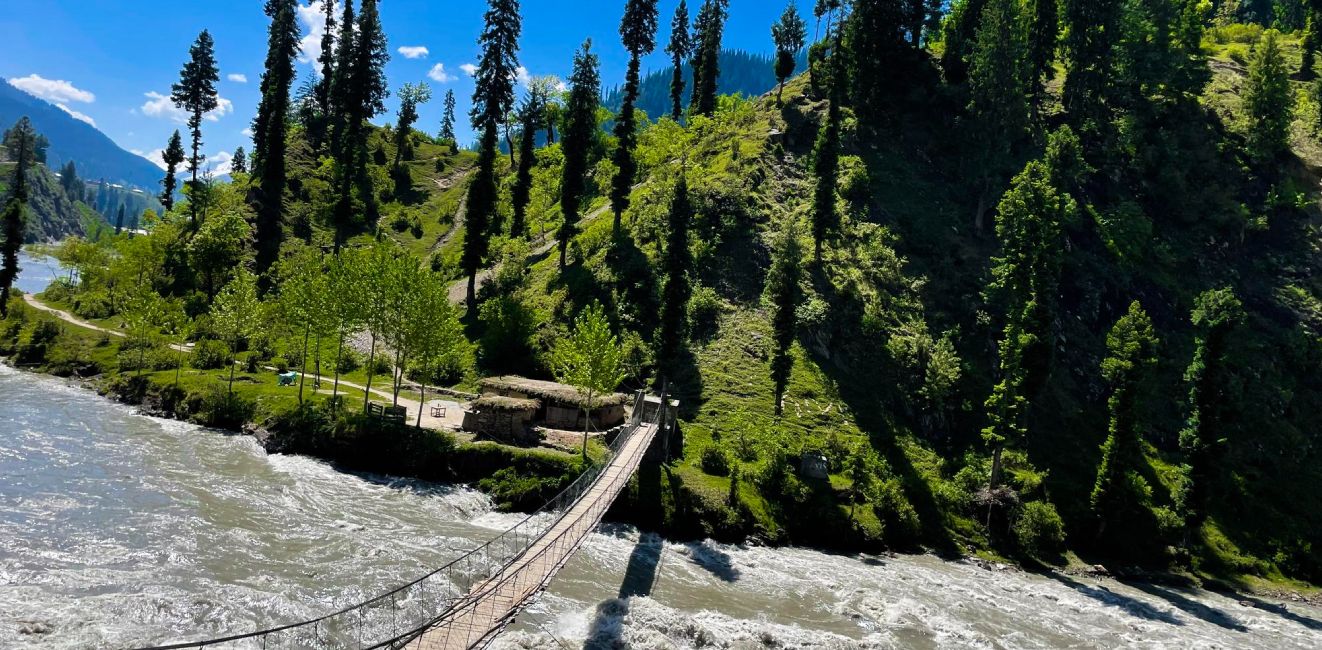
- Reach Kashmir easily
Getting to Kashmir: Flights & Road Routes
- Nearly everyone arrives at Srinagar International Airport (SXR), a small terminal about 14km south of the city with a security routine slower than its size suggests — allow two and a half hours for departures. Delhi flies the route most frequently, at roughly ninety minutes; Mumbai runs direct services around three hours, with the rest routing through Delhi. Jammu offers short hops for anyone already in the region.
- By road, the Jammu–Srinagar highway (NH44) covers about 270km through the Chenab gorge and the Banihal tunnel. Budget eight to ten hours and accept that landslides, convoy traffic and winter closures can add half a day. The train reaches Banihal on the valley side, which shortens the ugly stretch considerably.
- One winter rule worth building your booking around: take the earliest morning flight you can. December to February fog closes Delhi's runways and Srinagar's visibility windows by midday, and cancellations cascade through the afternoon. A 6am departure that you resent at 3am is the one that lands. Keep the arrival day empty either way — prepaid taxis from the terminal are fixed-rate and plentiful, but the drive into the city crawls behind school buses and handcarts of apples.
- Stay in Kashmir
Where to Stay in Kashmir: Houseboats, Hotels & Homestays
- Where you sleep in Kashmir decides how the day starts — whether you wake to a paddle knocking the hull or to a hotel kettle. Three options are worth the comparison, and the honest answer for a week-long trip is that you should use at least two of them.


- Walnut & water
-
Dal Lake houseboat
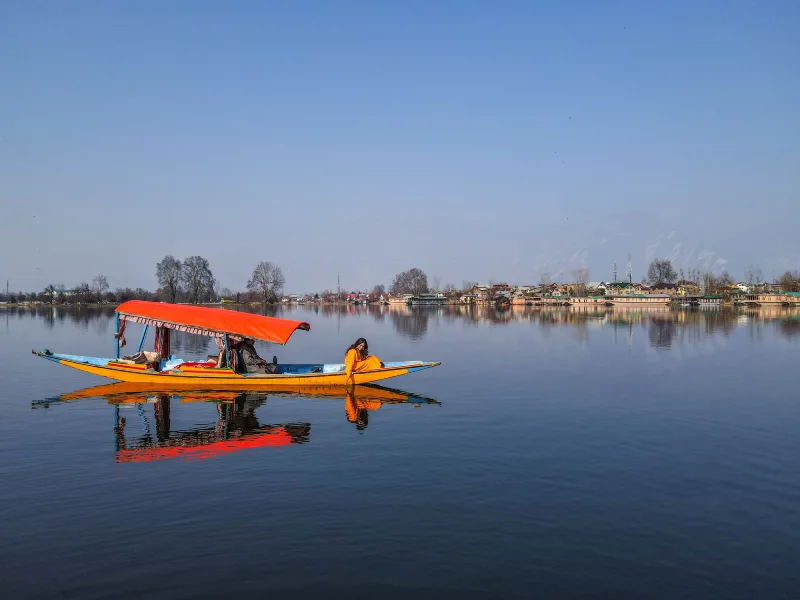
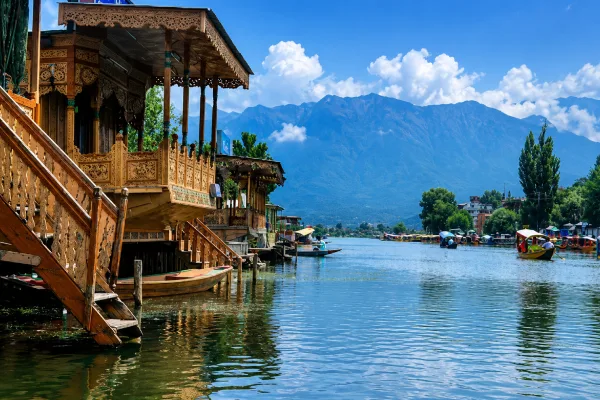
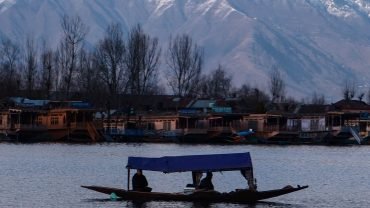
- You arrive by shikara, not by lobby — the porter takes your bag across open water. Interiors are carved deodar and walnut, khatamband ceilings fitted without a single nail. Pick a boat on the quieter Nigeen side if you want dawn silence rather than the vendor traffic of Dal Gate.
- Warmth & logistics
-
A boutique valley hotel
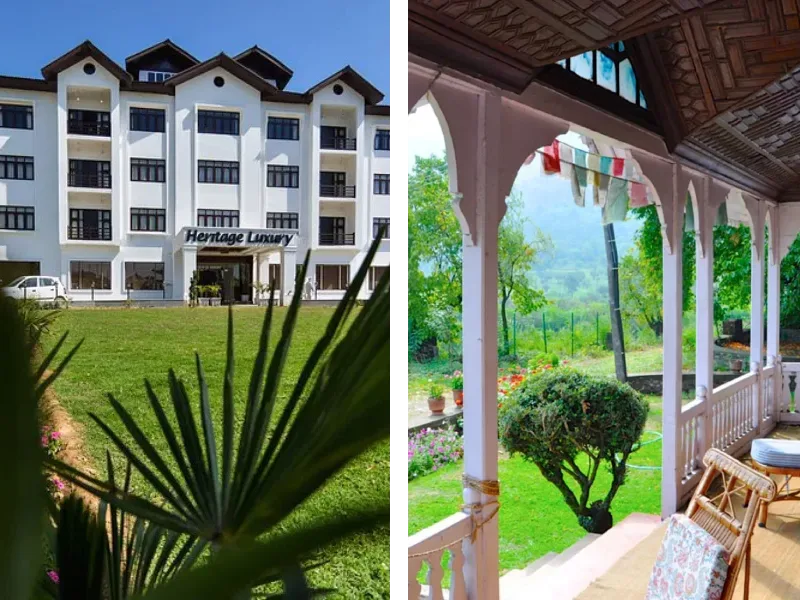
- For an intimate stay, choose a restored Kashmiri heritage home in Srinagar. Expect carved walnut furniture, traditional rugs, breakfasts and hosts who know the old city beyond the tourist route. Ideal for local character with easy access to Dal Lake and Mughal gardens.
- Kitchen & counsel
-
A homestay in Aru or Sonamarg
- Nun chai poured at six from a family samovar, one bathroom, and a host who will tell you exactly which shepherd trail is passable this week. Book direct, carry cash, and expect the electricity to blink out mid-conversation, especially during colder evenings.
- Heritage House
-
Heritage House in Srinagar
- For a more intimate stay, choose a restored Kashmiri heritage home in Srinagar. Expect carved walnut furniture, traditional rugs, slow breakfasts and hosts who know the old city beyond the tourist route. It’s ideal if you want local character without giving up easy access to Dal Lake and Mughal gardens.
- Must-visit destinations
Kashmir’s must-visit destinations.
-
Srinagar
- Wood smoke and hot bread: the kandur's oven vents onto the lane by six, and half the neighbourhood is queued for girda before the shutters of the copper bazaar go up. Srinagar rewards walking the Jhelum's older bank — Khanqah-e-Moula's papier-mâché ceiling, the seven bridges, the walnut workshops behind Zaina Kadal. Base yourself here for at least three nights; almost every road out of the valley starts at its edge.
- Things to Do in Srinagar
-
Gulmarg
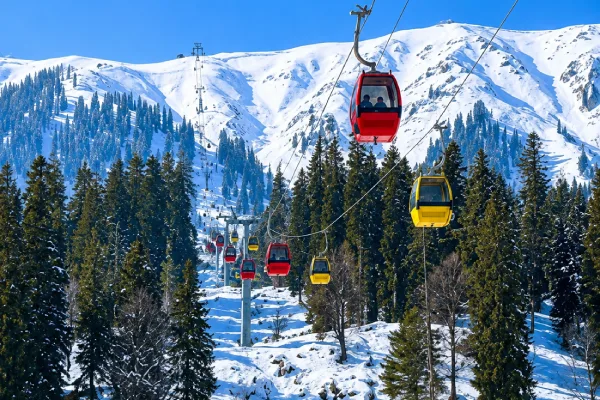
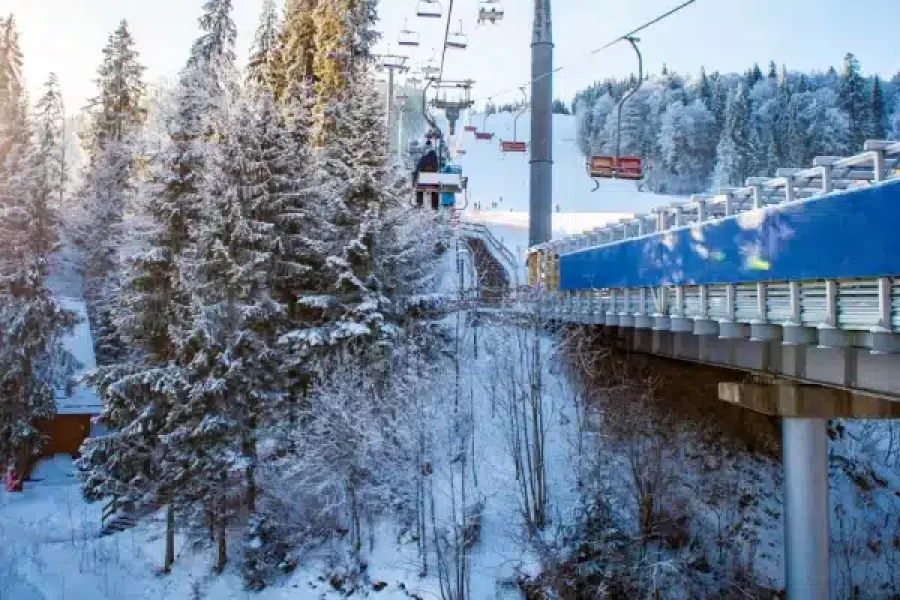
- The air thins audibly on the second stage. The Gulmarg gondola climbs from 2,650m to 3,980m on Apharwat in two legs, and the temperature drops roughly ten degrees between them — passengers who boarded in fleeces arrive hugging themselves. Book Phase 2 tickets online the night before; midday queues eat hours. In July the same slope is a meadow of blue iris, and the world's highest golf course is somehow open.
- Things to Do in Gulmarg
-
Pahalgam
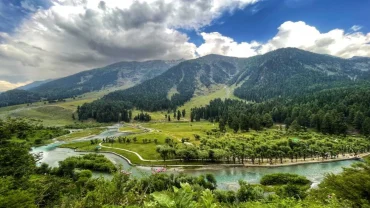
- You hear the Lidder before you see it — a constant grey rush over rounded stone, loud enough to sleep against. Pahalgam is the trailhead town: ponies to Baisaran, a jeep track up the Aru valley, and the long Kolahoi glacier walk for anyone with two spare days. Betaab and Chandanwari fill with day-trippers by eleven, so go early, or stay the night and have the meadows to yourself at dusk.
- Things to Do in Pahalgam
-
Sonamarg
- Above 2,700m the grass gives way to grey moraine and meltwater the colour of skimmed milk. Sonamarg is the last green before the Zoji La climbs toward Ladakh, and the Thajiwas glacier sits a short pony ride or a ninety-minute walk from the road. Snow closes the pass from roughly November to April; check the Zoji La status the morning you travel, not the week before.
- Things to Do in Sonamarg
- Explore Kashmir’s Culture
Discover the Culture, Heritage & Traditions of Kashmir
- Shalimar Bagh and Nishat Bagh were built to be read from the top down: water drops through stone chutes from terrace to terrace, cooling the air as it falls, so the pavilion at the head of the garden is always a degree or two colder than the gate. Go on a weekday afternoon in October, when the chinars are lit and the wedding photographers have gone.
- Hazratbal's white marble sits directly on the Dal's north-west shore, and Friday prayers spill onto the water steps. Above the city, the Shankaracharya temple takes 240-odd steps to reach and returns the entire valley — the lake, the ridgeline, the airport strip — in a single view. Dress covered at both; leave cameras down inside.
- The crafts are better experienced with your hands than through glass. Workshops in the old city will sit you down at a papier- mâché board to lay one line of naqashi paint, or let you watch a sozni embroiderer put four hundred stitches into a palm-sized patch of pashmina. An hour there teaches you more about pricing than any showroom tour — you stop asking why a shawl costs what it costs once you have felt how slowly the needle moves.
- Explore Kashmir’s Cuisine
Kashmiri Food Guide: What to Eat in Kashmir
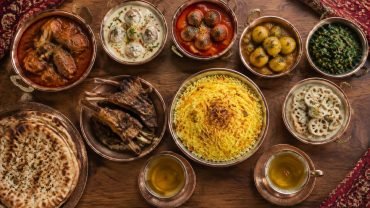
- Kashmiri cooking runs on yoghurt, dried cockscomb flower, fennel and saffron from the Pampore fields — chilli for colour, rarely for heat. Its ceremonial form is wazwan: a multi-course meal cooked overnight by a waza, eaten four to a copper tarami with your right hand, ending when the rista and gushtaba are gone.
- Day to day, you will meet it in smaller pieces — rogan josh at a Boulevard restaurant, a samovar of kahwa pushed toward you in a shawl shop, saffron pulao alongside. Eat one proper wazwan sitting if you are invited to one.

Wazwan
Thirty-odd courses off a shared copper tarami, cooked overnight by a waza and his team. A wedding institution, not a menu item.
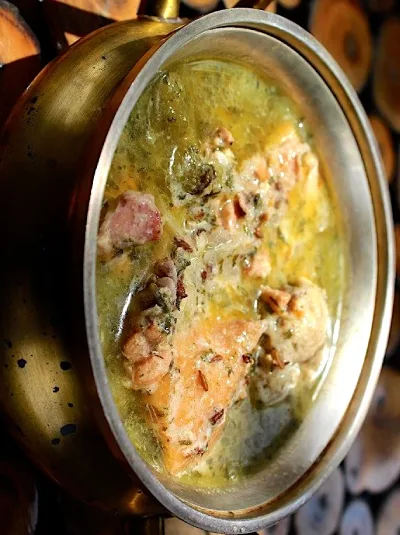
Yakhni
Mutton slow-cooked in a delicate yoghurt gravy with fennel, dry mint, and whole spices — creamy, aromatic, and gently tangy.

Kahwa
Kashmiri green tea brewed with saffron, cardamom, cinnamon, and crushed almonds — warm, fragrant, lightly sweet, and traditionally served in a samovar.

Rogan Josh
Mutton simmered in Kashmiri chilli and ratanjot — deep red, gently hot, thickened with yoghurt rather than tomato.| Kashmiri Dish | Type | Best For | Must Try |
|---|---|---|---|
| Rogan Josh | Spicy | Lunch · Dinner | Traditional Wazwan |
| Gushtaba | Rich | Special Meals | Wazwan Feast |
| Dum Aloo | Spicy | Lunch · Dinner | Vegetarian Option |
| Haak Saag | Light | Everyday Meals | Simple Kashmiri Flavour |
| Kahwa | Light | Morning · Evening | Traditional Kashmiri Tea |
- Food Tip : Try Kashmiri dishes like Rogan Josh, Gushtaba and Dum Aloo at traditional local eateries for an authentic taste of Kashmir.
- Permits & Paperwork for Visiting Kashmir
- For Indian travellers, the valley's core — Srinagar, Gulmarg, Pahalgam, most of Sonamarg — needs nothing beyond a government photo ID, which you will hand over at hotel desks and occasionally at a checkpoint where a constable copies your name into a ledger by hand. The friction sits at the edges: the passes, the border-adjacent valleys, and the seasons when either is contested by weather.
-
Verify Before You Travel:
Areas beyond Sonamarg toward Zoji La, and the Gurez valley near the Line of Control, have at times required special permits issued locally, and foreign nationals have faced additional registration or restrictions in border districts. These rules change with security conditions and season. Verify current status with the district administration or a licensed local operator within a week of travelling, and carry printed copies plus ID photocopies — mobile data drops in the upper valleys, and a checkpoint will not wait for a page to load.
Planning a Kashmir sightseeing circuit?
Pair Srinagar with Gulmarg, Pahalgam, and Sonamarg for a comfortable Kashmir tour. A reliable Kashmir tour package can help arrange hotels, transportation, and sightseeing for a hassle-free experience.Kashmir Tour Package
Kashmir Honeymoon Tour Package 6 Nights 7 days
Kashmir Package For 5 Nights 6 Days
- Kashmir by Season
Best Time to Visit Kashmir by Season
- There is no single best time to visit Kashmir — only a season that matches what you came to do. Pick the activity first; the weather follows from it.
Spring
Best for: Tulips, blossoms & green valleys
Summer
Best for: Pahalgam walks, Gulmarg & Dal Lake
Autumn
Best for: Chinar colours, clear views & harvests
Winter
Best for: Gulmarg skiing, snowfall & winter scenery
- Autumn is the quiet consensus pick: stable roads, harvest light and chinars turning through October. Winter is the cheapest and the hardest — half the guesthouses shut, and a snowfall can hold you in Gulmarg an extra day.
- Kashmir Packing Guide
Essential Things to Pack for a Kashmir Trip
- The valley swings twenty degrees between a Sonamarg dawn and a Srinagar afternoon, so pack for the range rather than the average — and for the small frictions that cost real time.
- Three thin layers beat one thick coat — Valley mornings sit at 4°C, noon at 22°C
- Waterproof boots with grip: Thajiwas moraine and Aru's sheep tracks are loose stone
- Wool cap, gloves, sunglasses — Snow glare at Apharwat burns faster than sun in the plains
- Postpaid Indian SIM (Jio or Airtel): Prepaid roaming often will not register in the valley
- Cash in small notes for shikara rides, ponywallahs and roadside kahwa stalls
- Shoulders and knees covered for Hazratbal and Khanqah-e-Moula : A scarf does the work
- Power bank — Hotel generators cut over between grid outages
- Plan a Kashmir Holiday
Complete Guide to Planning a Kashmir Trip
Kashmir Itinerary
-
Days 1–2SrinagarArrive in Srinagar, relax by Dal Lake, and visit Mughal Gardens, Shankaracharya Temple and the old city.
-
Day 3GulmargVisit Gulmarg, enjoy the meadows and take the gondola towards Apharwat Peak.
-
Days 4–5PahalgamExplore Pahalgam, Betaab Valley, Aru Valley and Chandanwari surrounded by pine forests and mountains.
-
Day 6SonamargVisit Sonamarg for beautiful meadows, mountain views and a peaceful day in the valley.
-
Day 7Srinagar ExperiencesExplore local markets, shop for Kashmiri handicrafts and enjoy traditional Kashmiri food and Kahwa.
-
Day 8DepartureAfter breakfast, transfer to Srinagar Airport for your onward journey.
Frequently Asked Questions
March to June is ideal for pleasant weather and gardens, while September to November offers clear skies and beautiful autumn colours. December to February is best for snow.
A 6–8 day trip is ideal to explore Srinagar, Gulmarg, Pahalgam and Sonamarg comfortably.
Popular destinations include Srinagar, Gulmarg, Pahalgam, Sonamarg, Doodhpathri and Yusmarg.
Yes. Kashmir is a great destination for families, with scenic sightseeing, gardens, gondola rides, shikara rides and easy nature experiences.
Try traditional dishes such as Rogan Josh, Gushtaba, Yakhni, Dum Aloo, Haak Saag and Kashmiri Kahwa.
Absolutely. A Shikara ride is one of Kashmir’s most memorable experiences, especially around sunrise or sunset.
Pack comfortable walking shoes, warm layers, a light jacket, sunscreen and basic medicines. For winter, carry heavier woollens and snow-friendly footwear.

Comment (0)