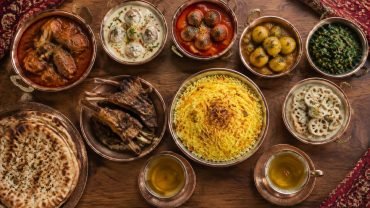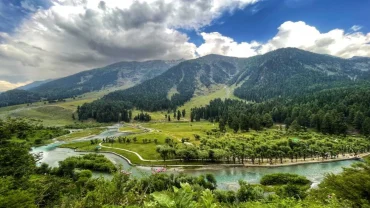
"Some places are remembered by their views. Sikkim is remembered by its food. "

I burnt the roof of my mouth and ordered another plate before I’d finished chewing. That’s Sikkim food in one bite — warming, unpretentious, slightly wild, built for cold afternoons and long conversations. This is a guide to the local food in Sikkim you must try, written from a notebook of actual meals, not a tourist brochure.
At a glance

The Sikkim food cheat-sheet

Eight dishes, what they are, where you’ll actually find them, and how much heat to brace for.
Dish Type Best Found In Veg / Non-Veg Spice
Momos Dumpling Gangtok, MG Marg lanes Both
Thukpa Noodle soup Hill-town cafes Both
Gundruk & Sinki Fermented greens Home kitchens, thalis Veg
Phagshapa Pork stew Bhutia households Non-Veg
Sael Roti Rice ring bread Festivals, breakfast stalls Veg
Chhurpi Yak cheese Local dairies Veg
Tongba Millet drink Village taverns Veg
Sha Phaley Stuffed bread Tibetan kitchens Non-Veg
01

Momos

The dish everyone knows, eaten the way locals actually eat it.

Forget the soggy frozen version you’ve had in a city food court. A real Sikkim momo arrives in a bamboo basket so hot the lid steams your glasses. The pleats are slightly uneven, the skin thin enough to see the filling, and the broth inside the pork ones will hit your tongue first.

Locals dunk theirs in dalle khursani chutney — a fermented round-chili paste that tastes like sweet fire. Order a half-plate of steamed and a half-plate of pan-fried and split them with whoever you’re with. Always.
Where to find it — Any side-lane stall in Gangtok’s MG Marg area — pick the one with the longest line of schoolkids.
02

Thukpa

Cold-weather noodle soup with a personality.
Thukpa is the meal you don’t know you need until you’ve walked uphill in the rain. Hand-pulled noodles, broth simmered with garlic and ginger, a tangle of greens and either chicken, pork or just vegetables. The Sikkimese version sits between Tibetan and Nepali styles — lighter than ramen, deeper than maggi.

Sip the broth first before you touch the noodles. That’s where the work is.
Where to find it — Tiny first-floor cafes in Pelling and Lachen — look for hand-written menus and a wok visible from the door.
03

Gundruk & Sinki

A fermented delicacy that’s been part of Himalayan kitchens for generations.
Gundruk is prepared by naturally fermenting mustard, radish, or cauliflower leaves before drying them in the sun.

The result is a tangy, earthy ingredient that’s cooked into soups, curries, or served as a side dish with rice. Loved for both its flavour and nutritional value, Gundruk is a staple in many Nepali households across Sikkim.
Where to find it — Order a Nepali-style thali at any homestay — gundruk almost always shows up as a side soup or pickle.
04

Phagshapa

Bhutia pork stew, dialled up to eleven.
Strips of fatty pork slow-cooked with dried radish and whole dried red chilies. That’s it. Three ingredients, no shortcuts. The fat melts, the radish drinks the broth, and the chilies turn into edible smoke.

It is unapologetically rich. Eat it with red rice, not noodles, and budget an afternoon nap immediately afterwards.
Where to find it — Bhutia-run kitchens in North Sikkim and the older Gangtok neighbourhoods — ask for it, it’s rarely on the printed menu.
05

Sel Roti

The breakfast ring that’s basically edible jewellery.
Fermented rice batter, ladled in a ring into hot oil, fried until the outside is crisp and the inside is chewy like a doughnut. Sweet, faintly tangy, no spice at all.

Locals eat it with potato curry, but on a cold morning I’ll happily tear one apart with my hands and chase it with milky tea, standing on the side of a road.
Where to find it — Morning street vendors during Dashain and Tihar, and most highway dhabas across South Sikkim.
06

Chhurpi

The Himalayan cheese that comes in two unique forms.
Chhurpi is a traditional cheese made from yak milk, cow milk, or a blend of both. It comes in two varieties—soft Chhurpi, which is used in curries, soups, and vegetable dishes, and hard Chhurpi, a naturally dried cheese that’s chewed like candy for hours. Rich in protein and deeply rooted in Himalayan culture, Chhurpi is one of Sikkim’s most distinctive local foods.
Where to find it —Traditional Sikkimese restaurants, local markets, and village homestays across Gangtok, Namchi, and Ravangla.
07

Tongba

A drink, a hand-warmer and a conversation starter.
Tongba is a traditional mildly alcoholic drink made from fermented finger millet. It’s served warm in a wooden container and enjoyed through a bamboo straw. Hot water is poured over the fermented millet and can be refilled several times, allowing the flavours to develop with each sip.

More than just a beverage, Tongba is often shared among friends and family, making it an important part of Sikkim’s social and cultural life.
Where to find it — Old-school taverns in Gangtok’s Lall Bazaar and most village homestays in West Sikkim.
08

Sha Phaley

Tibetan answer to a meat pie, only better.
A disc of dough stuffed with minced meat and cabbage, then deep-fried until the crust is mahogany-coloured. Crisp shell, juicy inside, served with a sharp chili dip.

Best eaten standing up, immediately. A sha phaley loses its magic in twelve minutes.
Where to find it —Tibetan-run cafes near monasteries — Rumtek and the smaller spots above MG Marg are reliable.

09

Kinema

The humble fermented soybean dish that’s packed with flavour.
Made from naturally fermented soybeans, Kinema has a rich, earthy aroma and a soft, sticky texture. It’s usually cooked with onions, tomatoes, spices, or leafy greens and served hot with steamed rice. Loved across Sikkim, especially in Nepali households, it’s a nutritious dish that’s high in protein and full of traditional Himalayan flavours.
Where to find it —Traditional Nepali restaurants, family-run eateries in Gangtok, Namchi, Ravangla, and village homestays across Sikkim.

Ready to Experience Sikkim?

Curated Sikkim itinerary: permits handled, homestays vetted, altitude pacing built in. Small groups, local guides.
No food journey in Sikkim is complete without trying its traditional desserts and local beverages. From festive sweets prepared during celebrations to warm Himalayan drinks enjoyed on chilly evenings, these treats offer another delicious glimpse into the state’s rich culinary heritage.
Popular Desserts in Sikkim

Discover the Beauty of Sikkim

Sikkim Honeymoon Tour 5 Nights 6 days
Gangtok Lachung Tour 4 Nights 5 days

Sikkim travel guide

Where to eat local food in Sikkim

Finding authentic local food in Sikkim is easy if you know where to look. Here are the best places to enjoy traditional Sikkimese cuisine.
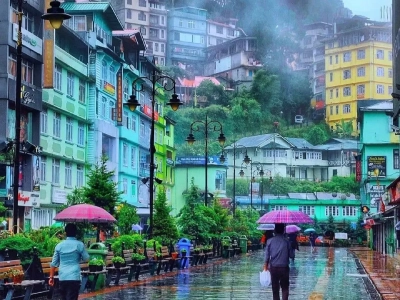
MG Marg, Gangtok
01

MG Marg, Gangtok

For an authentic local food experience, visit Lal Bazaar in Gangtok. This bustling market is known for its small eateries serving traditional dishes like Phagshapa, Gundruk, Kinema, and Ningro with Chhurpi. It’s the perfect place to discover Sikkim’s authentic flavours and everyday cuisine.
02

Lal Bazaar, Gangtok

For an authentic local food experience, visit Lal Bazaar in Gangtok. This bustling market is home to small eateries serving traditional dishes like Phagshapa, Gundruk, Kinema, and Ningro with Chhurpi. Its local flavours and lively atmosphere make it a must-visit for anyone wanting to experience Sikkim’s everyday cuisine.
Village Homestays
03

Village Homestays

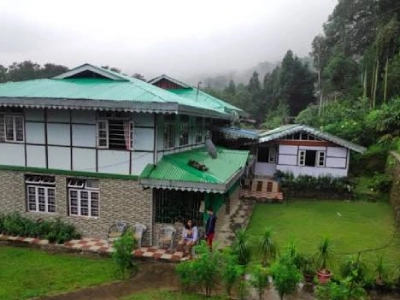
Village homestays in Pelling, Yuksom, Lachung, Ravangla, and Namchi offer authentic home-cooked Sikkimese meals made with organic vegetables, local cheese, and traditional family recipes. It’s one of the best ways to enjoy local flavours while experiencing Sikkim’s warm hospitality and culture.
04

Traditional Sikkimese Restaurants

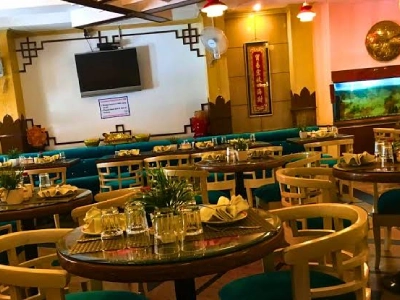
Traditional Sikkimese restaurants are ideal for enjoying authentic local cuisine. Try favourites like Momos, Thukpa, Phagshapa, Kinema, and Gundruk, all prepared using traditional recipes. End your meal with Temi Organic Tea or Tongba, a warm fermented millet drink popular across Sikkim.
Traditional Sikkimese Restaurants

Where to eat

Three kinds of meal, three kinds of room

I won’t name restaurants — the good ones change. The categories below don’t.

Gangtok Market Lanes

The side alleys off MG Marg and Lall Bazaar are where momos, thukpa and sha phaley are at their fastest and most honest. Eat where the line is mostly locals on their lunch break.

Pelling & Hill Towns
Quieter, slower, more pork-forward. Look for first-floor cafes with hand-painted menus and one cook visibly running the kitchen — phagshapa and thukpa shine here.
Local Homestays

The best food you’ll eat in Sikkim won’t be at a restaurant at all. A homestay dinner gives you gundruk soup, fresh chhurpi curry, sael roti and a tongba — all from one kitchen.

Skip the tourist plate. Sit at a real Sikkimese table.

Eat with locals, not next to them

Things travellers actually ask

Not by default. Heat usually lives on the side as dalle chutney or pickled chili, so you control the burn. Soups and stews are warming, not aggressive.

Plenty. Veg momos, thukpa, gundruk soup, sael roti, churpi and seasonal greens cover full days of eating without ever ordering meat.

Tongba is fermented finger millet served in a wooden vessel, topped with hot water and sipped through a bamboo straw. Mild, warm, slowly alcoholic.

October to early December gives clear skies, festival food like sael roti, and freshly fermented gundruk. Spring brings young ferns and bamboo shoot.

Yes. Sikkim’s plenty of vegetarian dishes, including vegetable momos, thukpa, Gundruk, Kinema, Chhurpi, Ningro with Chhurpi, and fresh seasonal vegetables served with rice.

While Sikkim doesn’t have an official state dish, Phagshapa, Momos, and Thukpa are among the most iconic foods that represent the state’s culinary heritage.

You can enjoy authentic local cuisine at traditional restaurants and family-run eateries around MG Marg, Lal Bazaar, and nearby neighbourhoods. Many local cafés and homestays also serve homemade Sikkimese meals.

Momos are the most popular street food in Sikkim. Other favourites include Wai Wai Sadeko, Sha Phaley, Thukpa, and local tea served with traditional snacks.

Things travellers actually ask

Sikkim’s food won’t shout for attention. It’ll quietly rearrange what you think mountain cooking is — one momo basket, one bowl of gundruk, one shared tongba at a time. Plan a few unhurried meals. Talk to the cook. You’ll come home with more than recipes.