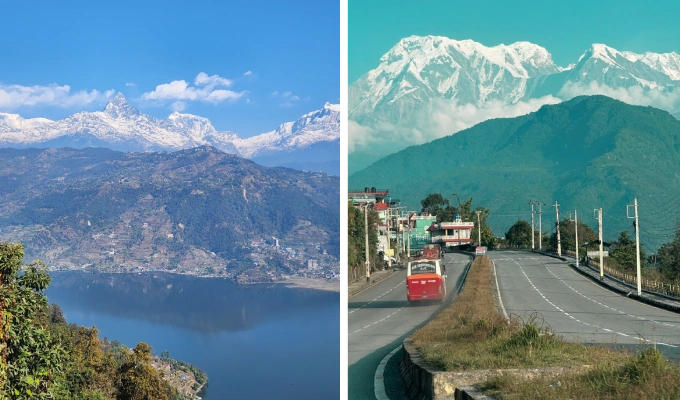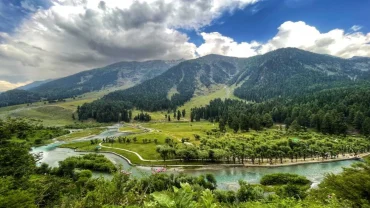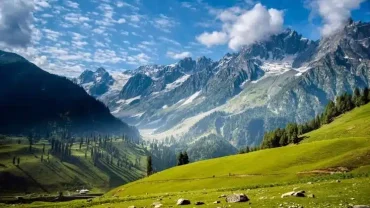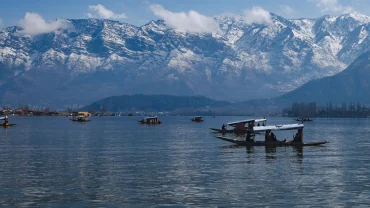
From the roof of the world to sacred valleys — a considered guide to Himalayan landscapes, cultural richness, adventure, and spirituality.

Arriving in the land of Himalayas

Nearly all international travelers arrive at Tribhuvan International Airport (KTM) in Kathmandu. Direct flights connect from Delhi, Doha, Istanbul, Dubai and Bangkok. From Kathmandu, domestic hops or overland routes carry you to Pokhara, Chitwan, and the trekking gateways of Lukla and Jomsom.
Flights to Lukla and Jomsom are short but scenic, often just 25–30 minutes, and are best booked for early morning as mountain weather tends to delay or cancel later flights. Overland travelers can also cross by road from India via Sunauli or Kakarbhitta, though flying into Kathmandu remains the simplest option for most first-time visitors.
Iconic Destinations
Your Gateway to Himalayan Adventures

Five places that define Nepal

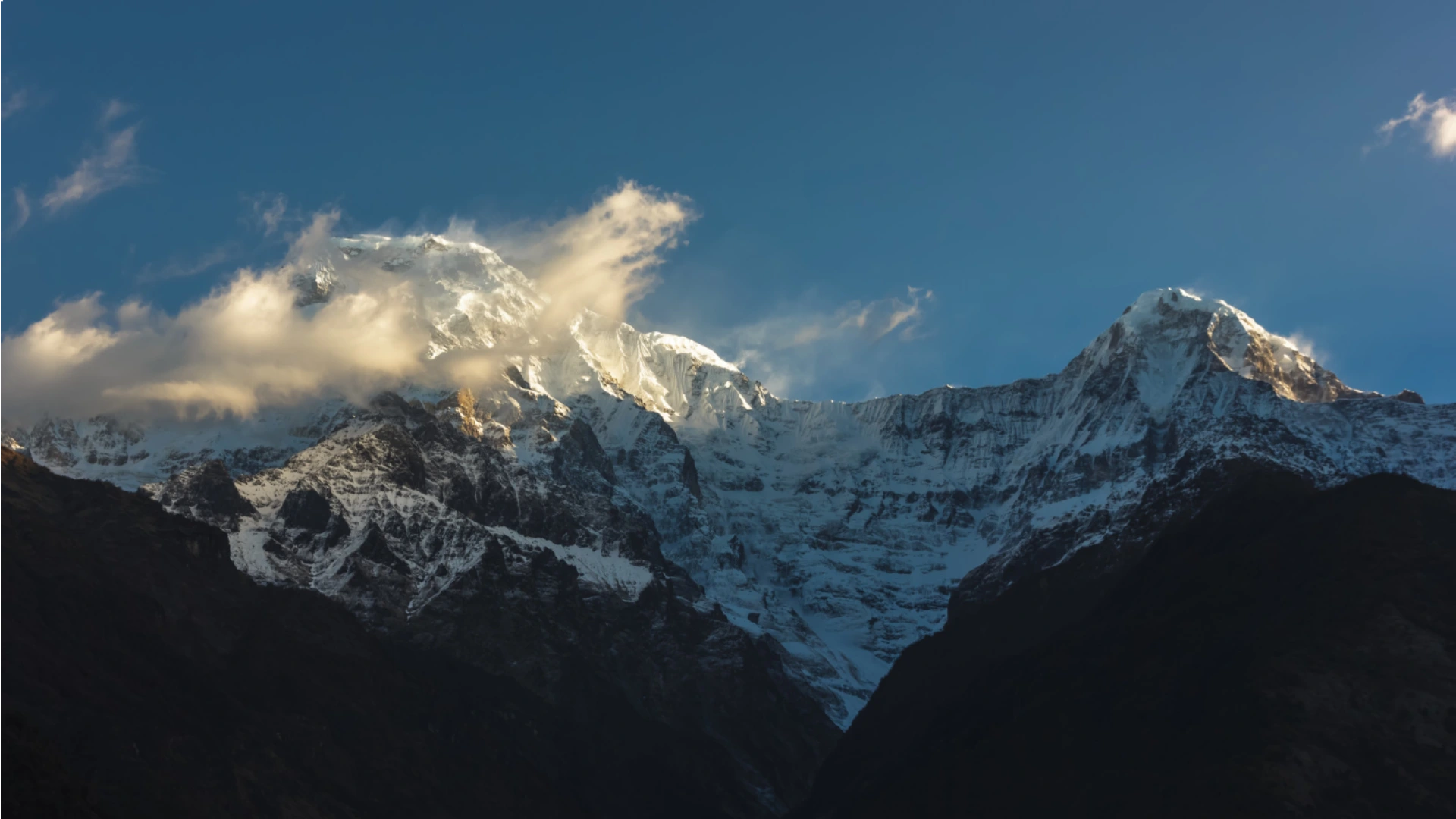
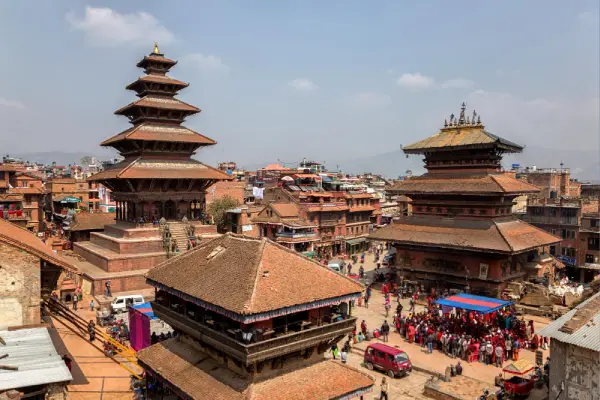
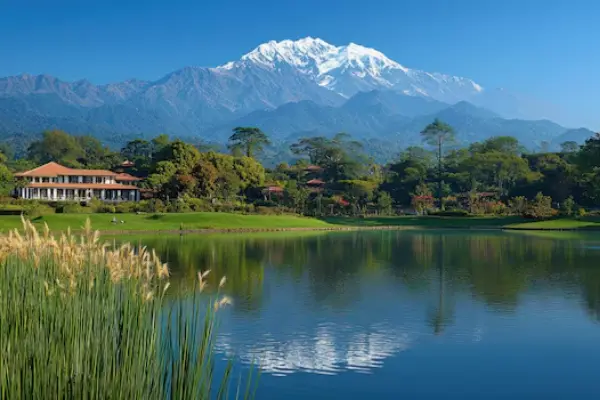
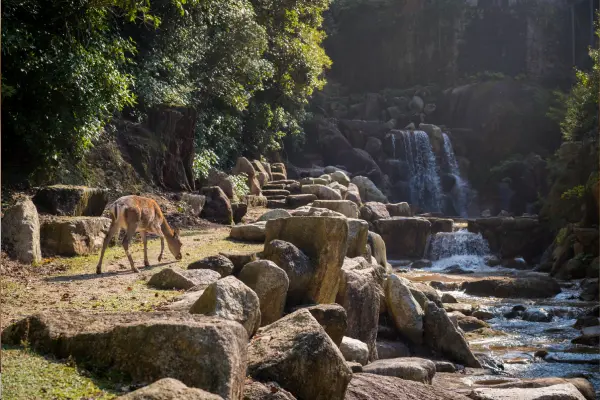
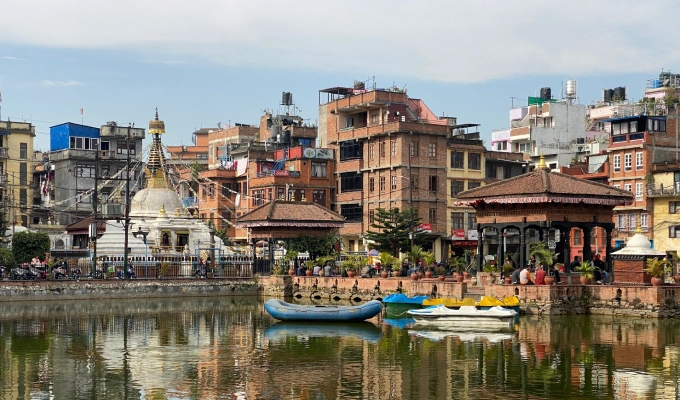
Nepal packs an astonishing range of experiences into a small stretch of the Himalayas — ancient temple squares, glassy lakeside towns, and glacier-carved valleys all within a few hours of each other. These five destinations capture the country’s essence: living heritage, quiet natural beauty, and the raw scale of the world’s highest peaks.

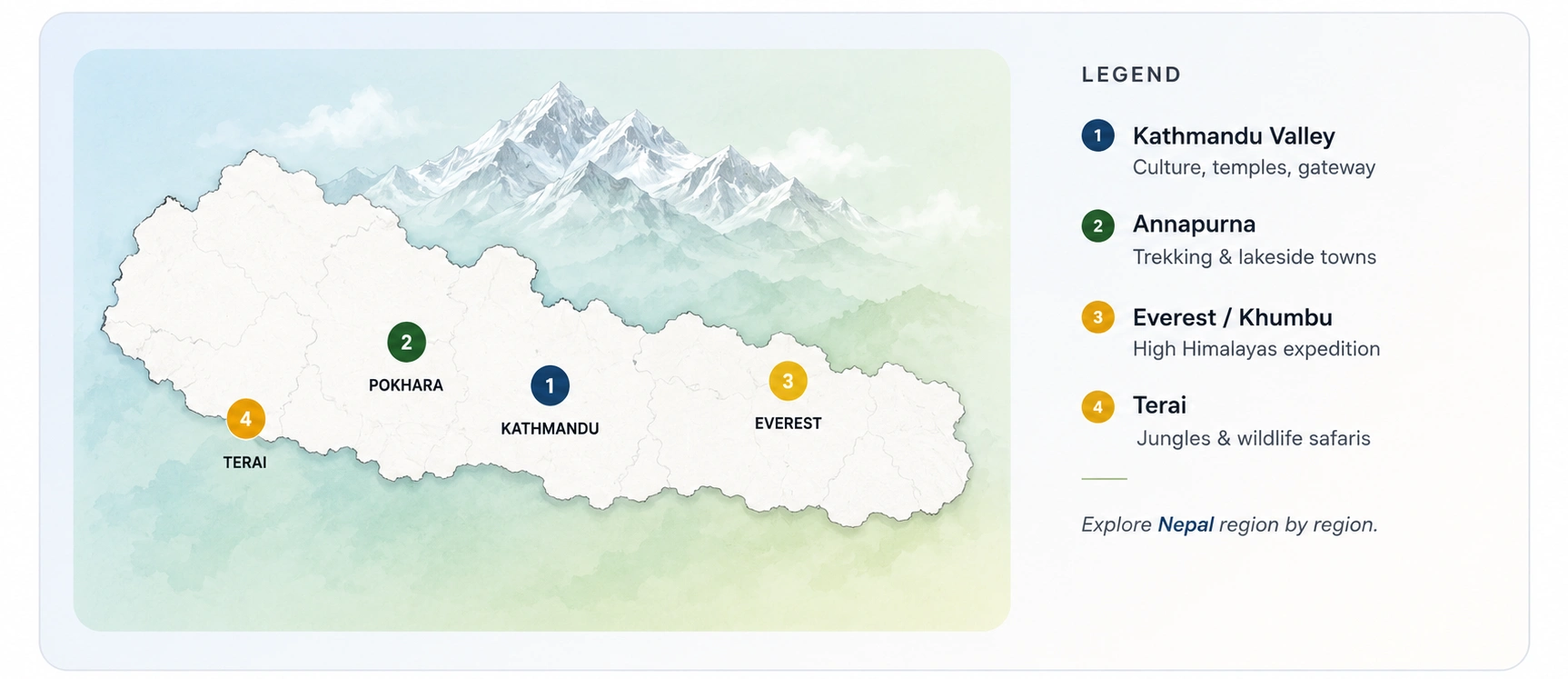
Explore Nepal region by region

Nepal divides naturally into four distinct travel zones, each with its own rhythm and reason to visit. Whether you’re drawn to Kathmandu Valley’s temple-dotted streets, Annapurna’s lakeside trails, the high-altitude drama of Everest, or the wildlife-rich lowlands of the Terai, this map gives you a quick lay of the land before you start piecing together your route.
Nepal is a land of diverse landscapes, where every region offers a unique experience. From the cultural treasures of Kathmandu Valley and the trekking paradise of Annapurna to the towering peaks of Everest and the wildlife-rich Terai, each destination reveals a different side of the Himalayas.

The great Himalayan trails

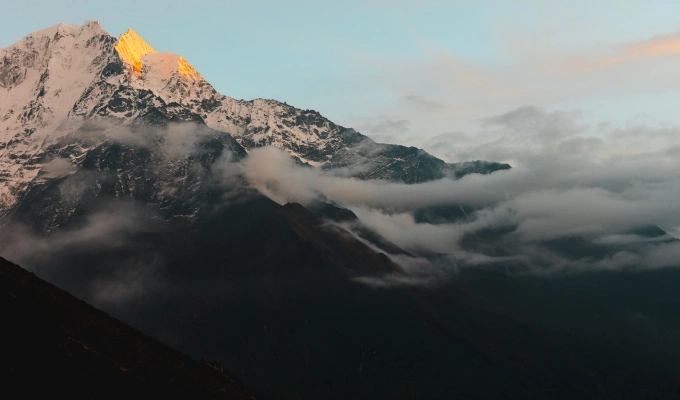
Nepal is the spiritual home of trekking. Three routes stand above the rest — each demanding a different level of preparation, permits, and time. What sets these trails apart isn’t just the altitude — it’s the variety packed into a single trek. You’ll pass through rhododendron forests and terraced farmland before the landscape turns stark and lunar above the tree line, with prayer flags marking every pass and teahouses offering a hot meal and a bed each night along the way.
The great Himalayan trails
None of these routes require technical climbing experience, but all reward serious physical preparation. Altitude, not distance, is usually the real challenge — most itineraries build in acclimatization days for exactly this reason, and rushing them is the most common mistake first-time trekkers make.
Trek Difficulty Duration Best Season Permit
Everest Base Camp Challenging 12–14 Days Mar–May · Sep–Nov Sagarmatha NP + Khumbu Permit
Annapurna Circuit Moderate 10–14 Days Oct–Nov ACAP + TIMS
Langtang Valley Easy 6–8 Days Mar–May · Oct–Dec Langtang NP + TIMS

Where the sacred meets daily life

Nepal is the spiritual home of trekking. Three routes stand above the rest — each demanding a different level of preparation, permits, and time.

What sets these trails apart isn’t just the altitude — it’s the variety packed into a single trek. You’ll pass through rhododendron forests and terraced farmland before the landscape turns stark and lunar above the tree line, with prayer flags marking every pass and teahouses offering a hot meal and a bed each night along the way.

Pashupatinath

Nepal's holiest Hindu temple on the banks of the Bagmati.

Boudhanath Stupa

One of the largest stupas in the world — a spiral of prayer.

Lumbini

The birthplace of Siddhartha Gautama, the Buddha.

A taste of the mountains

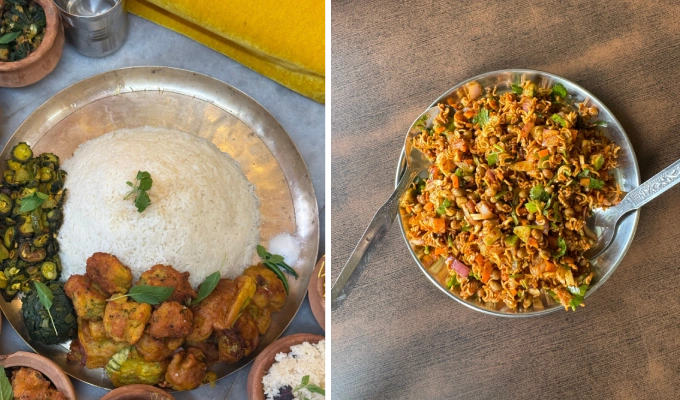
Nepali cuisine is as diverse as its landscapes. From the comforting flavours of Dal Bhat and handmade Momos to traditional dishes like Sel Roti, Thukpa, and Newari delicacies, every meal reflects the country’s rich culture, local ingredients, and warm hospitality.

Dal Bhat

Lentils, rice & seasonal vegetables. Fuel for trekkers.

Momos

Steamed dumplings with tomato-sesame achar.

Newari Feast

Choila, bara and yomari — Kathmandu's ancestral cuisine.

Everything You Need to Know

Nepal Adventure Tour Package 6 Nights 7 Days

Nepal Holiday Tour Package 5 Nights 6 Days

The paperwork, decoded

Before travelling to Nepal, it’s important to understand the country’s visa requirements and any permits needed for your planned activities. Most international travellers can obtain a tourist visa on arrival at Kathmandu’s Tribhuvan International Airport or at designated land border crossings, while citizens of several countries should apply in advance. Depending on your nationality and travel plans, visa fees and required documents may vary.
If you’re planning to trek in popular regions such as Everest, Annapurna, Langtang, or Manaslu, you’ll also need specific trekking permits issued by the Nepal Tourism Board or local authorities. Some restricted areas require additional permits and a licensed guide. To avoid delays, keep multiple passport-sized photos, photocopies of your passport, and a few extra copies of your visa handy. Checking the latest visa and permit regulations before departure will ensure a smooth and hassle-free start to your Nepal adventure.

When to go

When to go to Nepal
Bhutan is a year-round destination, with each season offering its own unique charm. From spring’s vibrant rhododendron blooms and summer’s lush green landscapes to autumn’s crystal-clear Himalayan views and winter’s snow-covered mountain passes, the best time to visit depends on the experiences you want. Choose the season that matches your travel style and discover Bhutan at its finest.
MAR – MAY

Spring

10–25°C

Best for: Rhododendrons & clear peaks

JUN – AUG

Summer

18–30°C

Best for: Monsoon — green Terai

SEP – NOV

Autumn

5–20°C

Best for: Peak trekking season

DEC – FEB

Winter

−5–15°C

Best for: Crisp views, snowy passes

Transport & accommodation

Packing smart can make your Nepal adventure safer and more enjoyable. From important travel documents to weather-appropriate clothing and reliable trekking gear, carrying the right essentials ensures you’re prepared for changing mountain conditions and comfortable throughout your journey. Pack light, but don’t forget the basics that matter most.

Ten days in Nepal

Nepal is a destination where every day brings a new adventure. From exploring centuries-old temples and bustling local markets to witnessing snow-capped Himalayan peaks and peaceful mountain villages, a 10-day journey offers the perfect introduction to the country’s incredible diversity. Whether you’re a nature lover, culture enthusiast, or adventure seeker, this itinerary covers Nepal’s most iconic experiences without feeling rushed.
Ten days in Nepal
Begin your trip in the historic streets of Kathmandu, continue to the scenic lakeside city of Pokhara, experience thrilling activities like paragliding or short Himalayan treks, and enjoy breathtaking sunrise views over the mountains. Along the way, you’ll discover ancient monasteries, UNESCO World Heritage Sites, colourful local traditions, authentic Nepali cuisine, and warm hospitality. This suggested itinerary is carefully planned to help first-time visitors make the most of their time while enjoying a comfortable balance of sightseeing, relaxation, and adventure.
1
DAY 1–2

Arrive Kathmandu

Arrive in Nepal's vibrant capital and explore Kathmandu Durbar Square, the sacred Boudhanath Stupa, and the lively streets of Thamel Bazaar.

2
DAY 3

Fly to Pokhara

Take a scenic flight to Pokhara, witness a breathtaking sunrise from Sarangkot, and enjoy a relaxing evening beside beautiful Phewa Lake.

3
DAY 4–7

Annapurna Trek

Embark on the famous Ghorepani–Poon Hill trek through charming villages, rhododendron forests, and spectacular Himalayan viewpoints.

4
DAY 8

Chitwan Safari

Explore Chitwan National Park with an exciting jungle safari and a peaceful canoe ride along the Rapti River.

5
DAY 9

Lumbini

Visit the sacred birthplace of Lord Buddha, including the Mayadevi Temple and the serene international monasteries.

6
DAY 10

Return & Depart

Return to Kathmandu for some last-minute shopping in Thamel before heading to Tribhuvan International Airport for your onward journey.

Want this itinerary tailored to your dates?

Share your travel window and we will send you a personalised plan within 24 hours.

What to bring

Things travellers actually ask

No. Indian citizens do not need a visa to enter Nepal. A valid passport or a government-issued photo ID such as a Voter ID card is generally accepted for entry. Carrying your original identity documents is recommended for a smooth immigration process.
The best time to visit Nepal is from March to May (spring) and September to November (autumn). These months offer pleasant weather, clear mountain views, and ideal conditions for trekking, sightseeing, wildlife safaris, and adventure activities.
A 7 to 10-day itinerary is ideal for exploring Nepal’s top attractions, including Kathmandu, Pokhara, Chitwan National Park, Lumbini, and a short Himalayan trek. If you’re planning longer trekking routes like Everest Base Camp or the Annapurna Circuit, you’ll need 12–18 days.
Yes. Nepal is considered one of South Asia’s safest destinations for travellers. Popular tourist areas are welcoming and well-developed. As with any destination, it’s wise to keep your belongings secure, follow local guidelines, and use licensed guides for trekking and adventure activities.
The official currency of Nepal is the Nepalese Rupee (NPR). Indian Rupee (INR) notes of lower denominations are commonly accepted in many places near the border and tourist areas, but it’s advisable to carry Nepalese currency for local purchases. ATMs and currency exchange services are widely available in major cities.