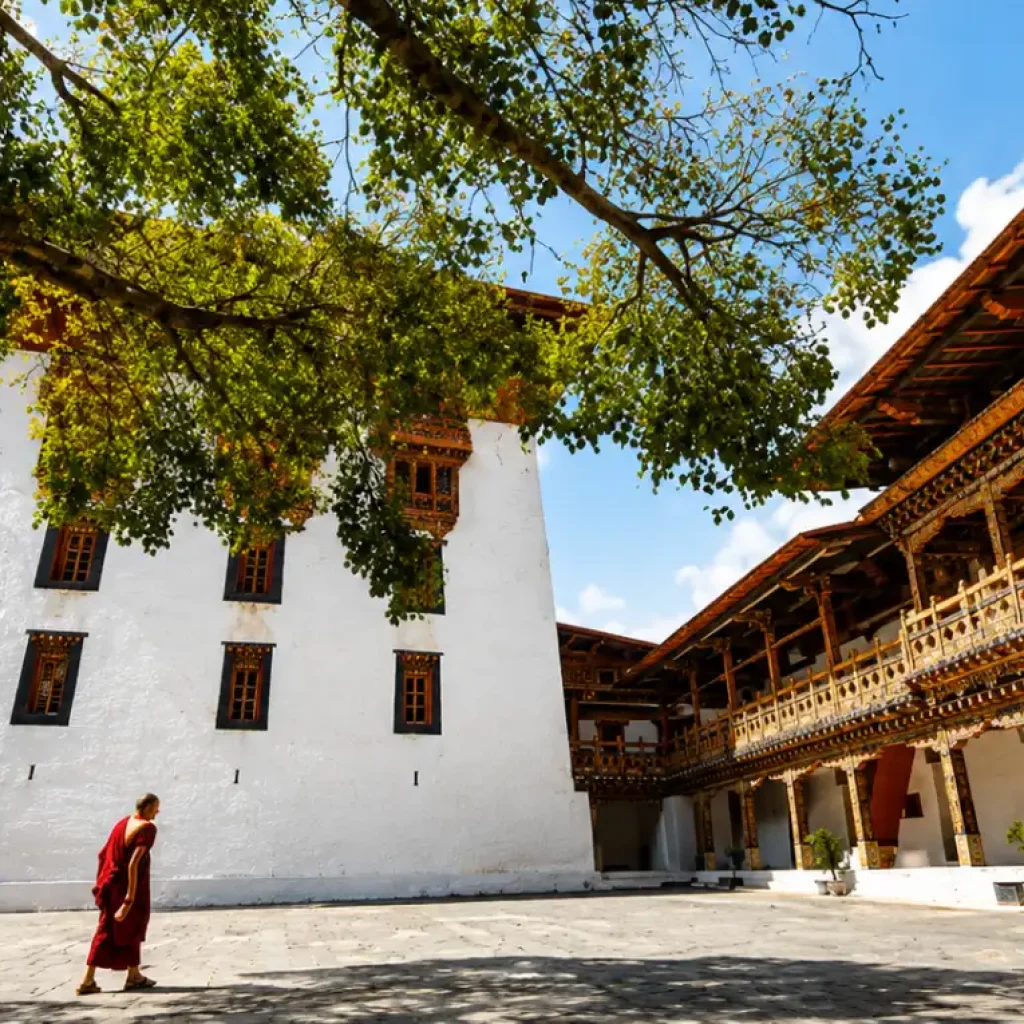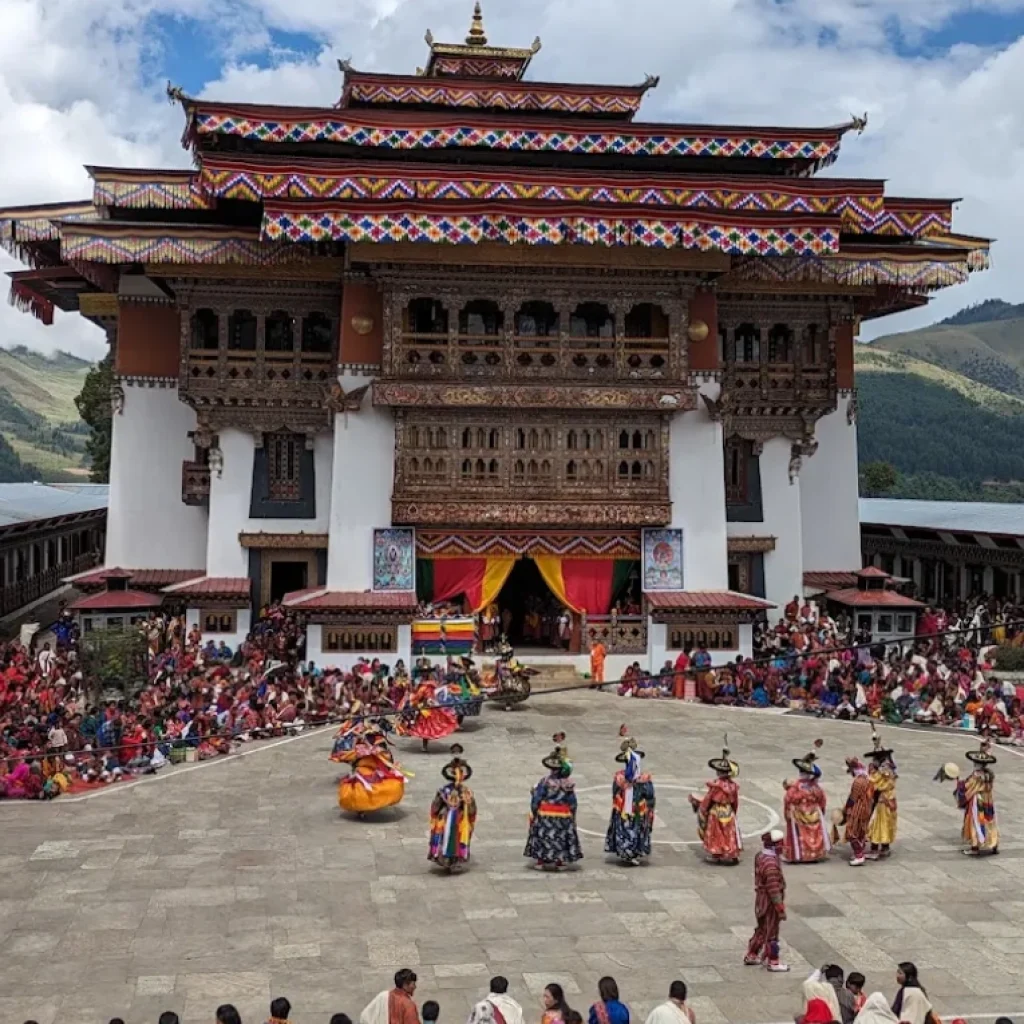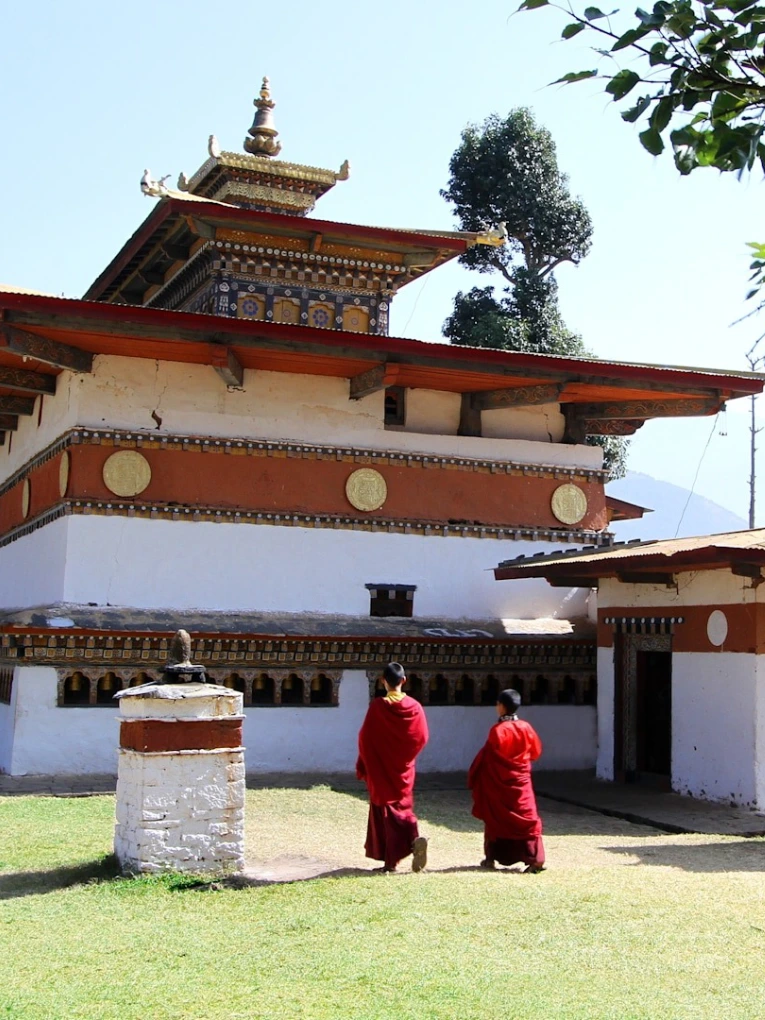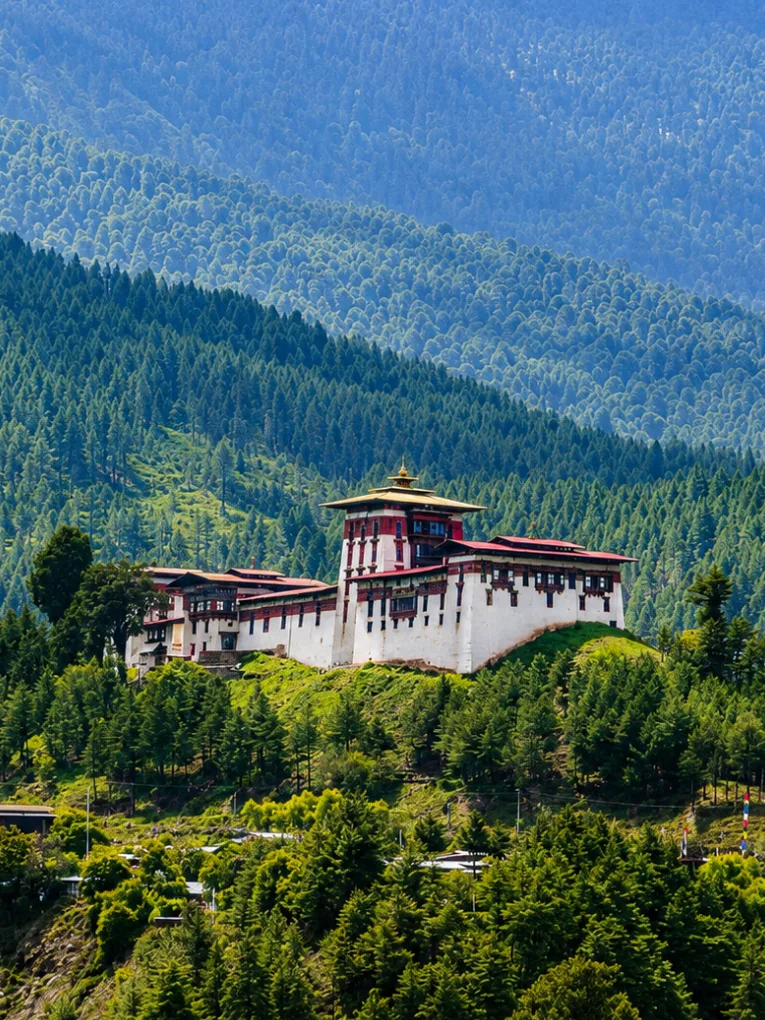
Monasteries, meditation, and the quiet art of slowing down in the last Buddhist kingdom.
Spiritual Retreats In Bhutan – Introduction
Bhutan is the only country in the world that measures its progress in Gross National Happiness rather than GDP — and nowhere is that quiet philosophy felt more directly than inside its monasteries. I arrived expecting mountains. I left having learned something closer to how to sit still.
This guide traces what I found across three unhurried weeks: the monasteries worth the climb, the meditation centers that ask for silence, the pilgrimage walks that turn into prayer, and the small household rituals that never appear in guidebooks. It is less a checklist than an invitation. Spiritual retreats in Bhutan are not places you visit; they are places that gently visit you back.
“Here, the mountains don’t just surround you — they still you.”

Sacred Sites & Spiritual Retreats

🕉 Pilgrimage Hike
Best for · First-timers
🕉 Prayer & Ritual
Best for · First-timers
🕉 Meditation
Best for · Reflection Seekers
🕉 Prayer & Ritual
Best for · First-timers
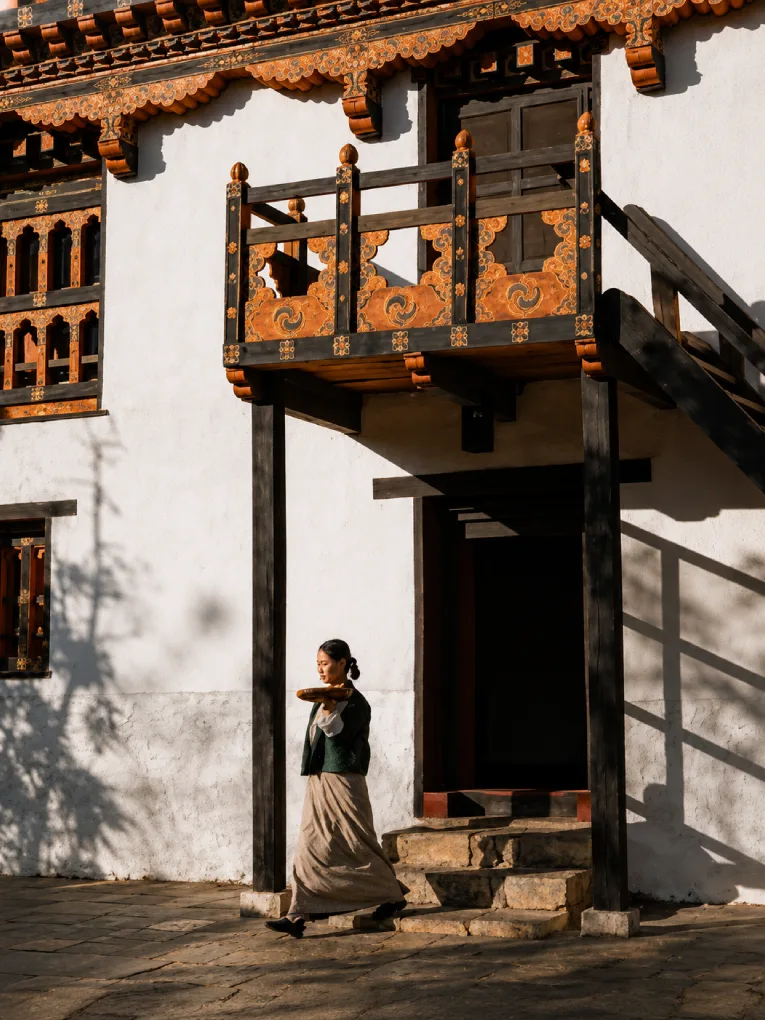
A moment to pause —the deepest places rarely announce themselves. A small yellow temple in a mustard field can undo you more than a famous one on a cliff.”
🕉 Silent Retreat
Best for · Deep Practitioners
🕉 Pilgrimage Hike
Best for · Reflection Seekers
🕉 Meditation
Best for · Deep Practitioners
🕉 Meditation
Best for · First-timers
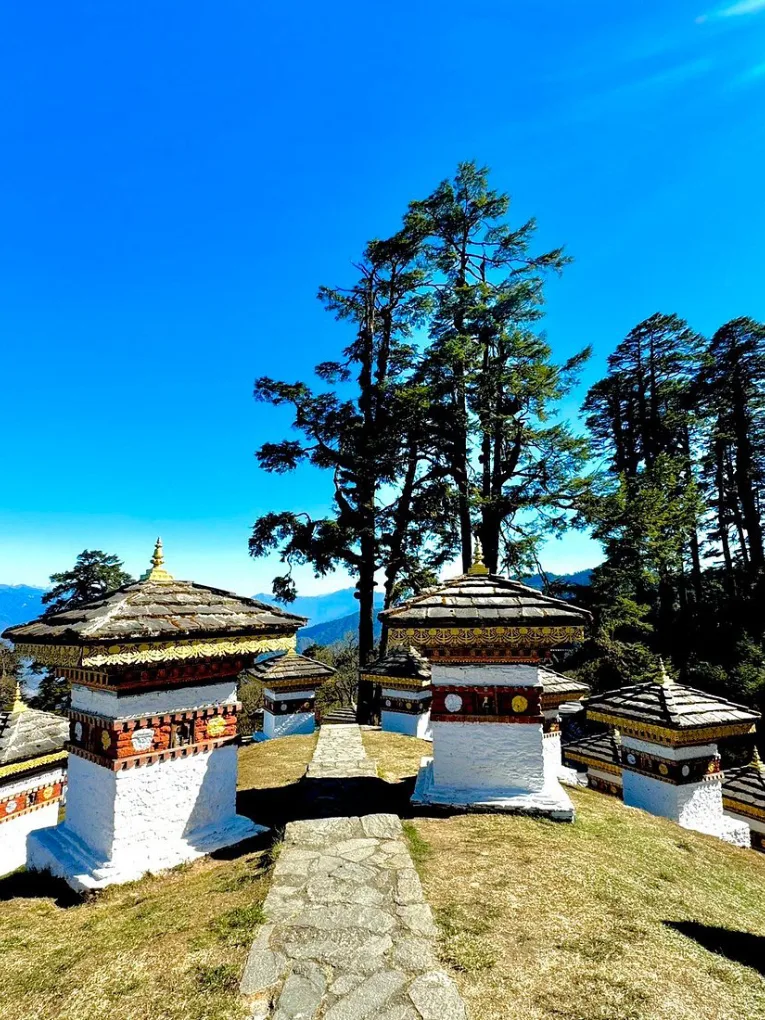
A moment to pause —walking clockwise around 108 stupas is not a task. It is what remains when you finally have nothing to do.
🕉 Silent Retreat
Best for · Deep Practitioners
🕉 Prayer & Ritual
Best for · Reflection Seekers

Choosing the Right Experience

The Curious First-Timer

Begin at Tiger's Nest, Punakha Dzong, and Dochula Pass. Iconic, generous, and gentle first doors into Bhutanese practice.

The Reflection Seeker

Gangtey Monastery and Bumthang Valley reward slowness — wide valleys, small temples, and the kind of quiet you can walk inside.

The Deep Practitioner

Vipassana centers in Thimphu, Tango and Cheri monasteries, and — if you can be received — Kila Nunnery above Chele La.

Etiquette in Sacred Spaces

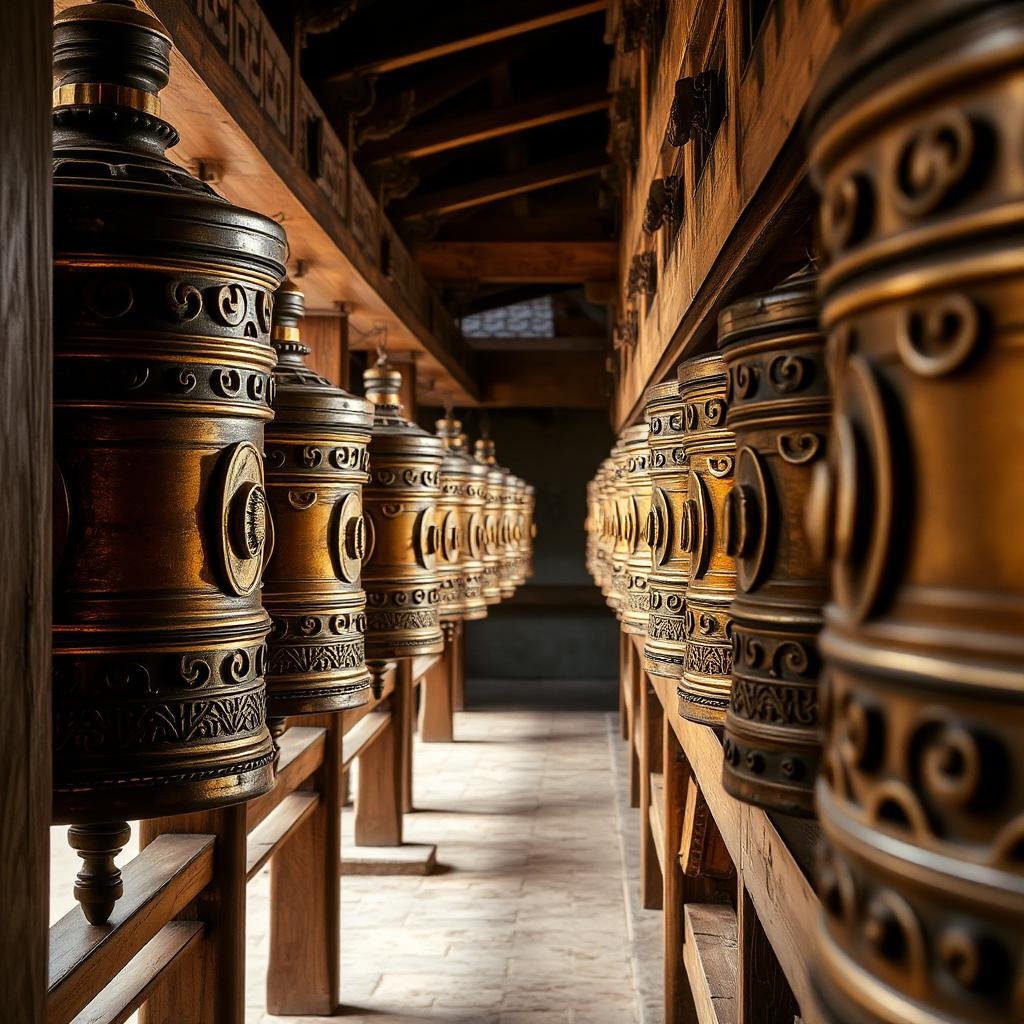
Bhutanese monasteries are not museums. They are working places of practice, and the small courtesies matter more than any language. Cover shoulders and knees. Remove shoes and hats before entering a temple. Walk clockwise around chortens, stupas, and prayer wheels — always. Photography is usually welcomed in courtyards but almost never inside altar rooms; when in doubt, don’t lift the camera.

For meditation retreats — Vipassana courses in particular — advance booking is essential, and arriving is a commitment: no phones, no reading, and noble silence for the duration. It sounds severe. It becomes, surprisingly quickly, a relief.

Your Story, Your Frame
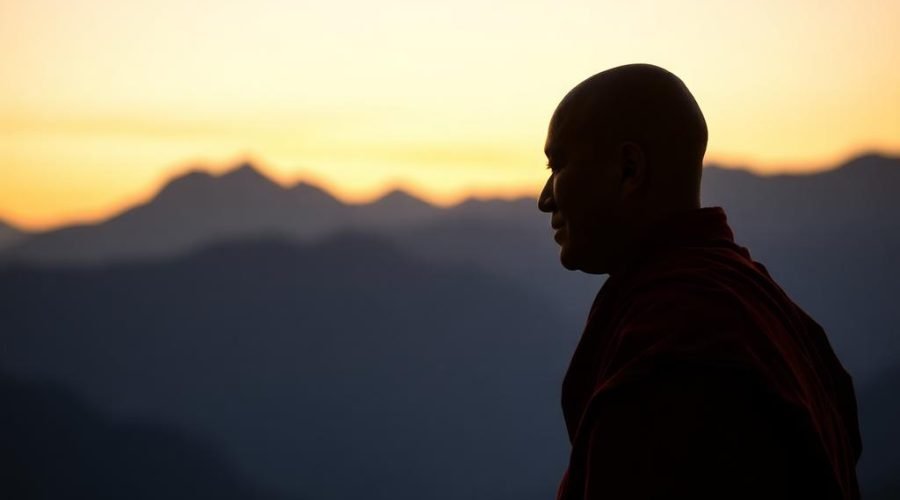
monk-reflection-BsuRjBoX
The temptation in Bhutan is to move — to see Tiger’s Nest, then Punakha, then Bumthang, and to arrive home with photographs. Resist it a little. Choose one place and stay longer than seems reasonable. Sit through an evening puja. Walk a chorten twice. The country reveals itself slowly, in the second and third hour, not the first.
You do not need to become a monk to be changed here. You only need to let one quiet morning belong entirely to itself.
“You leave Bhutan carrying less than you came with — and that is the point.”
Not sure which destinations to include?
Read our Top Tourist Places to Visit in Bhutan guide for the must-see attractions and unforgettable experiences across Bhutan.

Planning your trip? Here’s a complete guide on how to reach Bhutan.

here to Stay in Bhutan:

Discover the Beauty of Bhutam

Bhutan Honeymoon Package 7 Nights 8 Days

Bhutan Honeymoon Tour Package 6 Nights 7 Days

Frequently Asked · Bhutan

Paro Taktsang — the Tiger’s Nest — is the most revered, believed to be where Guru Rinpoche brought Buddhism to Bhutan in the 8th century. Bumthang’s Kurjey Lhakhang and Punakha Dzong are close in spiritual weight.
Yes. Vipassana centers near Thimphu welcome international students for ten-day silent courses, and select monasteries and guesthouses arrange shorter guided retreats. Book well in advance — sometimes months.
Modest clothing that covers shoulders and knees is expected. Long trousers and a shirt with sleeves are ideal. Shoes and hats come off at the threshold of any temple’s inner hall.
Moderately challenging — around 4–5 hours round trip with roughly 520 metres of elevation gain at altitude. It is walkable at a slow pace by most reasonably fit travelers. Start early and drink water often.