-
Country
Bhutan, South Asia -
Best Time to Visit
March – May & Sep – Nov -
Ideal Trip Duration
5 – 7 Days -
Top Attractions
Tiger's Nest, Punakha Dzong -
Best For
Culture, Nature, Wellness
This complete travel guide walks you through Bhutan’s most breathtaking destinations, the best time to visit, a suggested 5-day itinerary, essential travel tips, and everything else you need to know before booking that once-in-a-lifetime trip.
Six unmissable places in Bhutan

-
Paro Valley
- Home to the iconic Tiger's Nest Monastery clinging to a cliff at 3,120 m — Bhutan's most sacred pilgrimage.
- Best Experience: Hike to the iconic Tiger’s Nest Monastery (Taktsang).
- Best Time: March–May & October–November
- Paro is the perfect gateway to Bhutan, home to the country's only international airport. Surrounded by pine forests, the crystal-clear Paro Chhu River, and snow-capped Himalayan peaks, this charming valley is known for its peaceful atmosphere, ancient monasteries, traditional Bhutanese architecture, and breathtaking landscapes. It offers the perfect blend of culture, history, and natural beauty, making it an unforgettable start to your Bhutan journey.

-
Thimphu
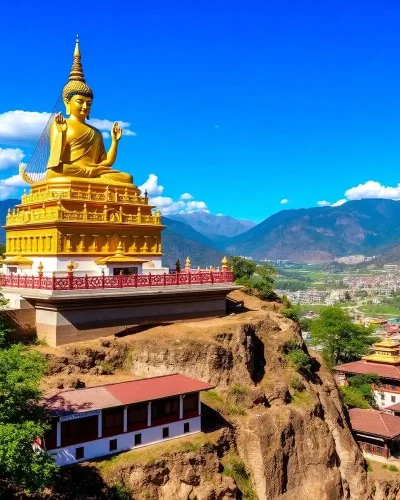
- Home to Bhutan's capital city, where ancient traditions blend seamlessly with modern life, featuring majestic monasteries, lively markets, and iconic landmarks.
- Best Experience: Visit Buddha Dordenma, Tashichho Dzong, and explore the local markets.
- Best Time: March–May & September–November
- Thimphu is Bhutan's vibrant capital, where ancient traditions meet modern life. From the iconic Buddha Dordenma and Tashichho Dzong to lively handicraft markets, museums, and authentic Bhutanese cuisine, the city offers a perfect blend of culture, history, and local experiences, making it a must-visit destination in Bhutan.

-
Punakha
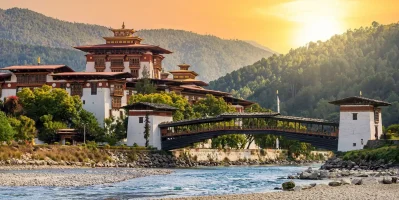
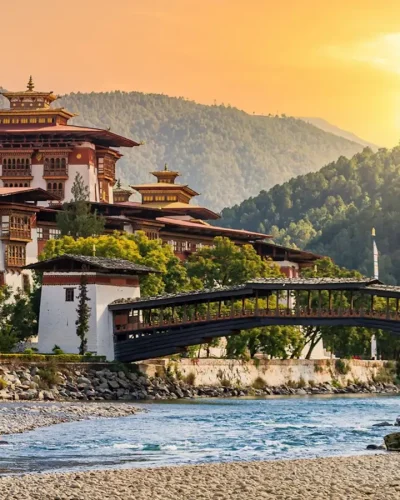
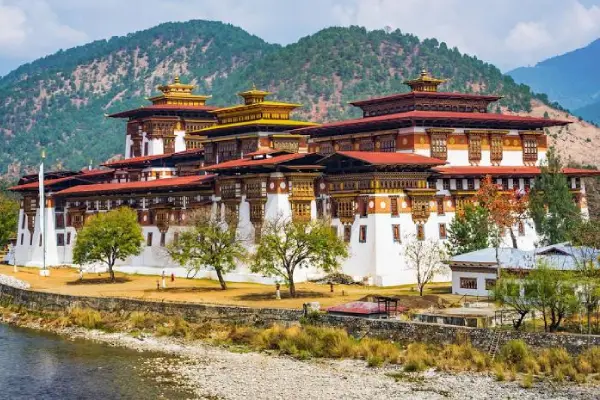
- Home to the magnificent Punakha Dzong, beautifully located at the confluence of the Pho Chhu and Mo Chhu rivers, and one of Bhutan's most iconic landmarks.
- Best Experience: Visit Punakha Dzong and walk across the Punakha Suspension Bridge.
- Best Time: March–May & September–November
- Punakha is known for its stunning river valleys, lush greenery, and rich cultural heritage. Once the capital of Bhutan, it is famous for the majestic Punakha Dzong, scenic landscapes, and peaceful atmosphere. Whether you're exploring historic monasteries, crossing the suspension bridge, or enjoying the beautiful countryside, Punakha offers a perfect blend of history, nature, and adventure.

-
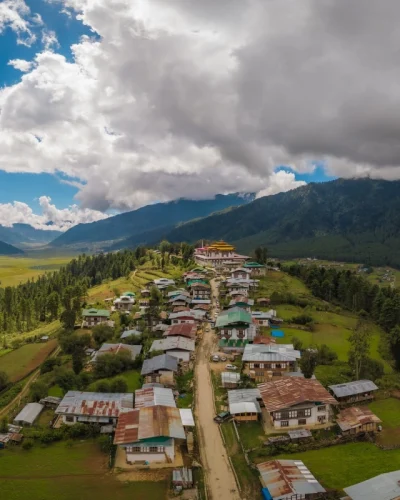
Phobjikha Valley
- Home to the breathtaking glacial valley and the endangered Black-Necked Cranes, making it one of Bhutan's most peaceful nature destinations.
- Best Experience: Spot Black-Necked Cranes and visit Gangtey Monastery.
- Best Time: October–February (for crane season) & March–May
- Phobjikha Valley is a serene destination surrounded by rolling meadows, pine forests, and picturesque mountain views. Famous for its pristine landscapes and rich biodiversity, the valley is perfect for nature lovers, birdwatchers, and those seeking a peaceful escape. Its scenic hiking trails, traditional villages, and tranquil atmosphere make it one of Bhutan's most beautiful places to visit.

-
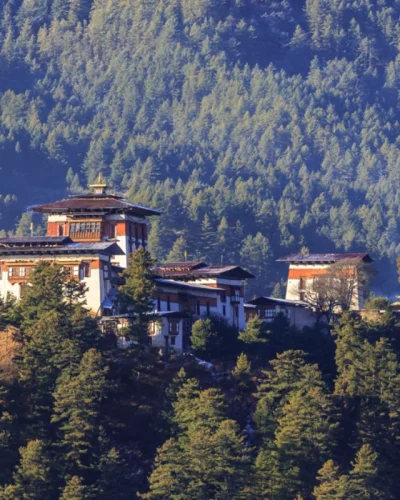
Bumthang
- Home to Bhutan's oldest monasteries, sacred temples, and picturesque valleys, making it the country's spiritual and cultural center.
- Best Experience: Explore Jakar Dzong, Kurjey Lhakhang, and the ancient monasteries.
- Best Time: March–May & September–November
- Bumthang is a collection of beautiful valleys known for its rich history, spiritual significance, and stunning natural scenery. From centuries-old monasteries and sacred temples to charming villages and apple orchards, the region offers an authentic glimpse into Bhutanese culture, making it a must-visit destination for history lovers and spiritual seekers alike.

-
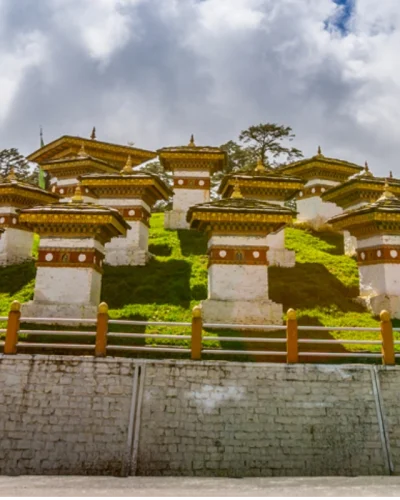
Dochula Pass
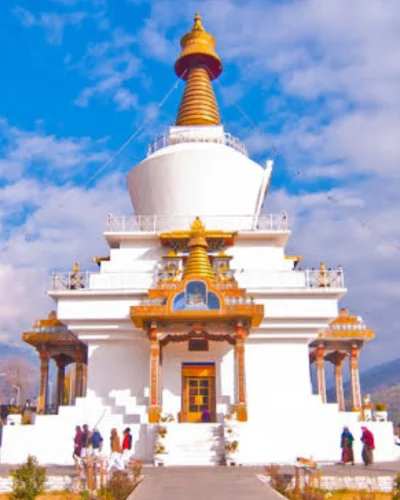
- Home to the iconic 108 Druk Wangyal Chortens, offering breathtaking panoramic views of the snow-capped Himalayan peaks.
- Best Experience: Hike to the iconic Tiger’s Nest Monastery (Taktsang).
- Best Time: October–December & March–May
- Dochula Pass is one of Bhutan's most picturesque viewpoints, located between Thimphu and Punakha. Famous for its 108 memorial chortens, peaceful atmosphere, and spectacular Himalayan vistas, it's a perfect stop for photography, sightseeing, and experiencing Bhutan's natural beauty.

-
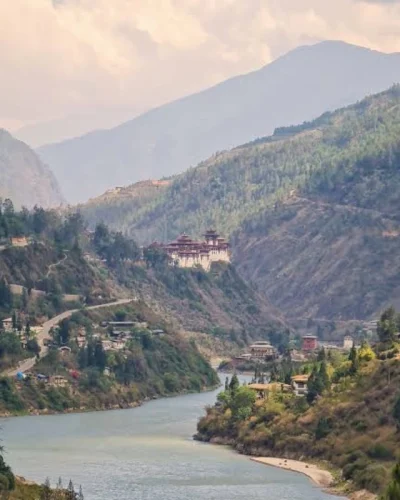
Wangdue Phodrang
- Home to historic monasteries, scenic valleys, traditional villages, and the beautifully restored Wangdue Phodrang Dzong.
- Best Experience: Visit Wangdue Phodrang Dzong and explore the nearby villages and hiking trails.
- Best Time: March–May & September–November
- Wangdue Phodrang is a peaceful destination known for its lush valleys, rich cultural heritage, and stunning mountain scenery. From ancient temples and riverside landscapes to local handicrafts and traditional Bhutanese villages, it offers a quieter, more authentic side of Bhutan that's perfect for travelers looking to explore beyond the popular tourist spots.

-
Trongsa
- Home to the magnificent Trongsa Dzong, Bhutan's largest fortress, and the ancestral seat of the Bhutanese Royal Family.
- Best Experience: Explore Trongsa Dzong and visit the Ta Dzong Museum.
- Best Time: March–May & September–November
- Trongsa is one of Bhutan's most historically significant destinations, offering spectacular mountain views, ancient monasteries, and rich royal heritage. Perched on a ridge overlooking deep valleys, the town is famous for its impressive fortress, peaceful surroundings, and scenic drives, making it an essential stop for travelers exploring central Bhutan.

-
Chele La Pass
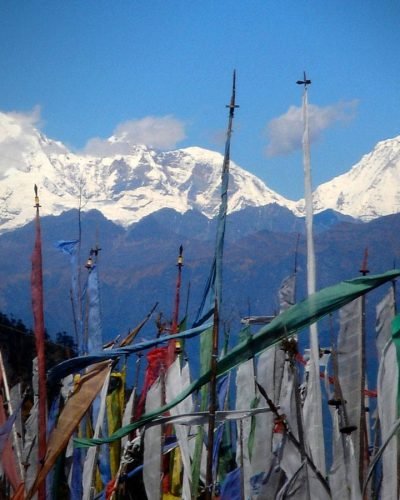
- Home to breathtaking Himalayan views, colorful prayer flags, and one of the highest drivable roads in Bhutan at 3,988 meters.
- Best Experience: Enjoy panoramic views of Mount Jomolhari and take in the scenic mountain landscape.
- Best Time: March–May & October–November
- Chele La Pass is one of Bhutan's most spectacular viewpoints, located between Paro and Haa Valley. Surrounded by alpine forests and fluttering prayer flags, it offers stunning views of the Himalayan peaks and is a favorite spot for photography, nature lovers, and travelers looking to experience Bhutan's high-altitude beauty.

-
Jigme Dorji National Park
- Home to rare Himalayan wildlife, pristine forests, glaciers, and scenic trekking trails, making it a paradise for nature lovers.
- Best Experience: Go wildlife spotting, enjoy nature walks, and explore the park's scenic trekking routes.
- Best Time: March–May & September–November
- Jigme Dorji National Park is Bhutan's largest national park, known for its incredible biodiversity and breathtaking landscapes. From snow-capped mountains and alpine meadows to dense forests and glacial rivers, the park is home to species like the snow leopard, Bengal tiger, and takin. It's a must-visit destination for wildlife enthusiasts, trekkers, and anyone seeking an unforgettable Himalayan adventure.
-
Planning a Bhutan tour?
Explore our complete Bhutan Tour Guide for expert travel tips, itineraries, and must-visit destinations.
Book Now

-
Royal Manas National Park
- Home to lush subtropical forests, diverse wildlife, and Bhutan's oldest national park, offering an unforgettable nature experience.
- Best Experience: Enjoy a wildlife safari, birdwatching, and guided nature walks.
- Best Time: November–April
- Royal Manas National Park is one of Bhutan's richest biodiversity hotspots, known for its dense forests, scenic rivers, and rare wildlife. Home to Bengal tigers, Asian elephants, golden langurs, and hundreds of bird species, the park is a paradise for wildlife enthusiasts, photographers, and adventure seekers looking to explore Bhutan's untouched natural beauty.
Why visit Bhutan?
71%
Forest Cover
0
Traffic Lights
1974
Opened to Tourism
Best time to visit Bhutan
Each season transforms the kingdom — here’s what to expect through the year.
Spring
Summer
Autumn
Winter
Suggested 5-day Bhutan journey
A relaxed, culture-forward route that balances heritage, hikes and Himalayan views.
Arrive Paro → Thimphu
Land at Paro (one of the world's most scenic landings), drive 1.5 hrs to Thimphu. Evening walk on Norzin Lam.
Thimphu Sightseeing
Buddha Dordenma, Memorial Chorten, Folk Heritage Museum. Try archery in the afternoon.
Thimphu → Punakha
Cross Dochu La Pass (108 stupas + Himalaya views). Explore Punakha Dzong and the Suspension Bridge.
Punakha → Paro
Drive back to Paro. Afternoon visit to Rinpung Dzong and Paro town for shopping.
Tiger's Nest Hike + Fly Out
Early morning hike to Taktsang. Return to hotel, freshen up, catch your evening flight home.
Travel tips
Documents
Passport valid 6+ months, Bhutan visa (arranged by your tour operator), and SDF receipt.
Currency
Ngultrum (BTN), pegged to INR. Cards work in cities; carry cash for villages.
Clothing
Layers year-round. Long sleeves required inside dzongs and monasteries.
Local Etiquette
Walk clockwise around religious sites. Ask before photographing people.
Connectivity
Buy a local B-Mobile SIM at Paro airport. Wi-Fi is decent in hotels.
Safety
One of the safest countries in Asia — low crime, welcoming locals.
Discover the Beauty of Bhutam
Bhutan Honeymoon Package 7 Nights 8 Days
Bhutan Honeymoon Tour Package 6 Nights 7 Days
Things travellers actually ask
If you’re visiting Bhutan for the first time, don’t miss Paro, Thimphu, Punakha, Phobjikha Valley, Bumthang, and Haa Valley. Each destination has its own charm, from ancient monasteries and fortresses to peaceful valleys and breathtaking mountain views.
The best time to explore Bhutan is during spring (March to May) and autumn (September to November). The weather is pleasant, the skies are clear, and you’ll get to enjoy colorful festivals, blooming landscapes, and stunning Himalayan scenery.
A 6 to 8-day trip is perfect for experiencing Bhutan at a relaxed pace. It gives you enough time to visit the major attractions, enjoy scenic drives, hike to Tiger’s Nest Monastery, and soak in the country’s peaceful atmosphere.
It depends on where you’re traveling from. International visitors usually have to pay a Sustainable Development Fee (SDF), which increases the overall cost. Indian travelers, however, can visit Bhutan more affordably, making it a great option for a Himalayan holiday.
Absolutely! Bhutan is known for its warm hospitality, peaceful environment, and very low crime rate. Whether you’re traveling solo, with your partner, or as a family, you’ll find Bhutan to be one of the safest and most welcoming destinations in Asia.
No. Indian citizens do not need a visa to enter Bhutan. However, you’ll need a valid passport (with at least six months’ validity) or a Voter ID card, along with the required travel permit.
Bhutan is famous for its breathtaking Himalayan landscapes, Tiger’s Nest Monastery, colorful festivals, ancient monasteries, and its unique philosophy of Gross National Happiness. It’s also known for preserving its culture and natural beauty.

Comment (0)