
Most honeymoon blogs read like brochures. They tell you Sikkim is “beautiful” and “romantic” and leave it there. This one doesn’t. What follows is the version we wished someone had handed us before we booked our own trip — the real permit rules for 2026, what a week actually costs, which villages are worth the bumpy ride, and the small details (a frozen lake that turns turquoise, a noodle stall that doubles as a marriage counselor) that no template article ever mentions. Sikkim is India’s least crowded Himalayan state, and that absence of crowds is exactly what makes it work as a honeymoon. There is no beach-resort sameness here, no queue for a sunset photo. There is altitude, silence, butter tea, and the kind of views that make conversation pause mid-sentence. Here’s everything you need to plan it properly.
Why Should You Trust This Guide?
- Real budget data updated for 2024–25 season
- Month-by-month weather + crowd comparison table
- Permit requirements explained clearly (most guides skip this)
- Unusual romantic experiences you won't find on TripAdvisor
- Honest cons & common mistakes couples make
Why Newlyweds Are Quietly Choosing Sikkim Over Goa or Bali
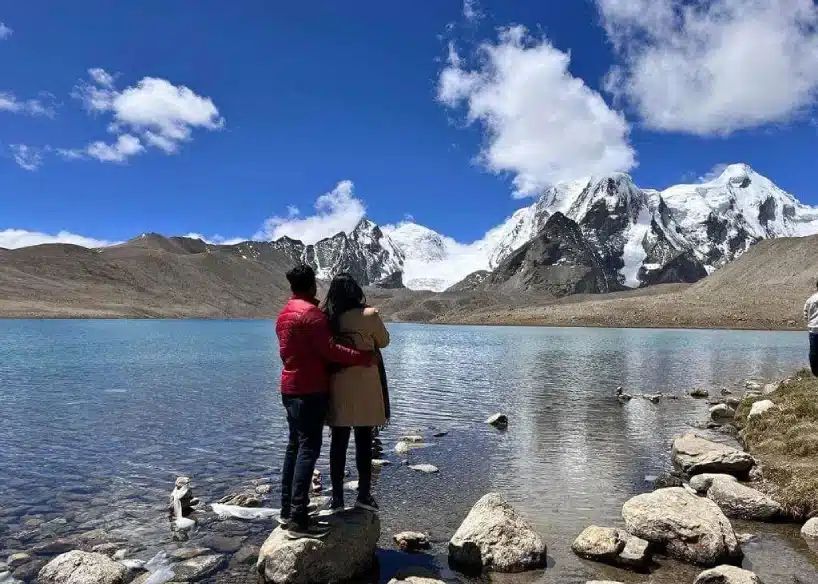
Search engines are full of “top honeymoon destination” lists that rotate the same five places. Sikkim rarely makes the first page, and that’s precisely its appeal — it hasn’t been flattened into a content mill yet. India’s cleanest state (it banned plastic bags back in 1998 and was the country’s first fully organic state by 2016) pairs that environmental discipline with something honeymooners actually want: privacy.
Unlike Goa, where every café is a photo backdrop for someone else’s trip, or Manali, where traffic jams now stretch into Solang Valley, Sikkim still has roads with more yaks than cars. The state government caps tourist inflow into ecologically sensitive zones through its permit system (more on that below), which sounds bureaucratic until you realize what it actually does: it keeps places like Yumthang Valley from turning into a parking lot.
“We didn’t see another couple for the entire afternoon at Zero Point. Just us, the snow, and a flask of tea. That doesn’t happen in Manali anymore.” — a recurring sentiment across recent traveler reviews of North Sikkim. It’s one of the reasons why North Sikkim is becoming a favourite destination for couples planning a peaceful Sikkim pre-wedding tour, offering breathtaking backdrops and quiet moments away from the crowds.
When to Go — Month-by-Month Breakdown for Honeymoon Couples
This is one of the most important decisions you will make. Sikkim’s weather changes dramatically by month, and the right timing can be the difference between a postcard-perfect trip and a fog-drenched disappointment.
| Sikkim Month-by-Month Guide for Couples | ||||
|---|---|---|---|---|
| Month | Weather | Crowd | Avg Cost/Night | Best For |
| Jan–Feb | Cold (2–10°C) | Low | ₹2,000–3,500 | Snow lovers |
| Mar–Apr | Pleasant | Medium | ₹2,500–4,000 | Cherry blossom |
| May–Jun | Warm | High | ₹3,000–5,000 | Trekking |
| Jul–Aug | Monsoon | Low | ₹1,800–3,000 | Budget travel |
| Sep–Oct | Perfect | Very High | ₹3,500–6,000 | Honeymoon peak |
| Nov–Dec | Cool | Medium | ₹2,500–4,000 | Festival vibes |
The Absolute Best Windows for Honeymooners:
- October–November: Crystal clear skies, Kanchenjunga fully visible almost daily, festive atmosphere. Slightly higher prices — worth every rupee.
- February–March: Cherry blossoms, rhododendrons exploding in colour, still cold but romantic in a cosy way.
- April–May: Warm enough to trek, flowers everywhere, good visibility, before the monsoon hits
Mapping Sikkim by Mood: Which Places Actually Suit Your Honeymoon Style
Not every couple wants the same honeymoon. Some want café-hopping and mountain views from a balcony; others want to feel like the only two people on earth. We plotted Sikkim’s most-loved spots on two axes — altitude and seclusion — so you can see at a glance where your version of romance actually lives.
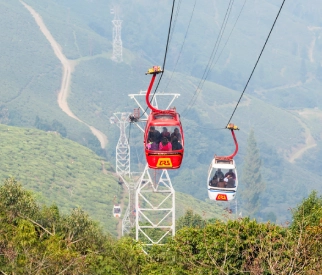
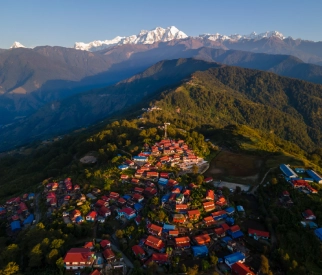
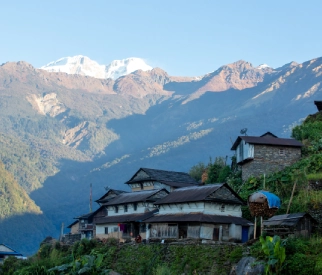
- Gangtok — Where Your Love Story Begins: MG Marg is Sikkim’s only vehicle-free boulevard in the country built specifically for walking — no horns, no traffic, just bakeries, flower beds, and bench seating clearly designed for couples who want to sit and watch the evening crowd. This is the easiest, lowest-altitude, most comfortable base, ideal for the first two nights as your bodies acclimatize.
- Pelling — The Most Romantic Town in Sikkim: Pelling’s entire reputation rests on one thing: rooms here are built and priced around their Kanchenjunga view. Book a west-facing room and you can watch the world’s third-highest peak turn gold at sunrise without leaving the bed. Pemayangtse Monastery and the Khecheopalri “Wishing Lake” — considered sacred by both Buddhists and Hindus — are both short drives away.
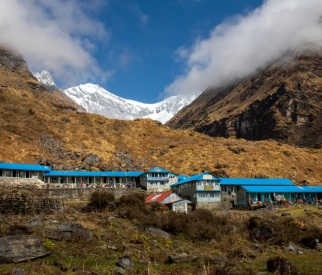
- Lachung & Yumthang Valley — For the Snow Dreamers: These twin valley villages in North Sikkim are where the honeymoon stops feeling like a holiday and starts feeling like an adventure you’ll tell your kids about. Wooden cottages, room-temperature heaters, snow on the windowsill, and a silence so complete you can hear the river two streets away. Lachung is your gateway to Yumthang Valley; Lachen leads to Gurudongmar Lake..
- Tsomgo Lake — For the Couple Who Wants One Big “Wow” Day: A glacial lake at 12,400 feet that genuinely changes color with the seasons — ice-blue in spring, frozen white in winter. It’s the single most-photographed honeymoon stop in Sikkim, and a shared yak ride along the ridge is the local version of a couple's selfie.
Where to Actually Stay: Honeymoon-Suited Properties by Town
“Best hotels in Sikkim” lists are usually copy-pasted star ratings. What actually matters for a honeymoon is whether the room has a view worth waking up for, and whether the property does anything special for couples without charging you a fortune for it.
| Town | What To Look For | Honeymoon Touch |
|---|---|---|
| Gangtok | Rooms facing the Kanchenjunga range, walking distance to MG Marg | Many boutique hotels offer free room upgrades for couples who mention it's a honeymoon at booking. |
| Pelling | West-facing balcony rooms for sunrise views | Candlelight dinner setups on the lawn, weather permitting |
| Lachung | Heated cottages near the river, not roadside rooms | Bonfire evenings arranged informally by homestay hosts |
| Ravangla | Properties near Buddha Park for quiet morning walks | Tea-garden breakfast spreads at several mid-range resorts |
A small but useful tip: when booking directly (rather than through an aggregator), simply emailing theproperty and mentioning the honeymoon often gets you a free upgrade, a fruit basket, or a late checkout — something booking-app reservations rarely trigger automatically.
What Does a Sikkim Honeymoon Actually Cost? (Real Numbers)
This is the section most travel blogs conveniently skip. Based on a realistic mid-range 7-day, 2-person itinerary covering Gangtok, Pelling, and North Sikkim, here is where the money genuinely goes.
Where Does a 7-Day Sikkim Honeymoon Budget Actually Go?
(Mid-Range Couple Trip, 2 Travelers)
₹95,000
(7 Days)
Figure 3: A 7-day mid-range Sikkim honeymoon for two typically lands between ₹65,000 and ₹95,000, excluding flights.
Accommodation eats the largest share simply because honeymoon-tier rooms — the ones with a private balcony, in-room heater, and a Kanchenjunga or valley view — cost noticeably more than a standard room. Private cabs come a close second; North Sikkim specifically requires registered vehicles and drivers, so shared jeeps aren’t an option once you cross into protected territory.

| Travel Style | Stay Type | Approx. Total Cost |
|---|---|---|
| Budget | Guesthouses, shared cabs where possible | ₹38,000 – ₹50,000 |
| Mid-Range | 3-star hotels, private cab for North Sikkim | ₹65,000 – ₹95,000 |
| Luxury | Boutique resorts, candlelight dinners, private guide | ₹1,40,000 – ₹2,20,000+ |
Permits — The One Thing Every Couple Must Sort Before Arriving
Here’s the part almost every other Sikkim blog gets dangerously out of date: as of January 2026, Sikkim moved to a fully digital permit system. Physical, walk-in permits for protected areas are no longer issued — if a travel agent offers you a “paper permit” on arrival, they’re either misinformed or operating illegally.
Who Needs What, In Plain Language
- Indian citizens: No permit needed for Gangtok, Pelling, Namchi, or Ravangla. You DO need a Protected Area Permit (PAP) for North Sikkim (Lachen, Lachung, Yumthang, Gurudongmar) and for Tsomgo Lake / Nathula in East Sikkim.
- Foreign nationals (including OCI holders): Require a Restricted Area Permit (RAP) for the entire state, processed through the e-FRRO portal before arrival, plus a PAP for protected zones.
- Foreigners cannot visit Nathula Pass, Gurudongmar Lake, or the Zuluk Silk Route under any circumstances — these remain Indian-citizens-only.
- Solo foreign travelers are not permitted in restricted zones; a minimum of two foreign nationals traveling together is required.
Because permits are now tied to specific dates, routes, and (for some North Sikkim zones) pre-booked homestays, spontaneity is no longer realistic for protected areas. The chart below is the planning countdown we’d actually follow if we were booking this trip today.
The Perfect 7-Day Sikkim Honeymoon Itinerary
This itinerary balances the classic must-sees with breathing room for spontaneous romance. It assumes you’re flying into Bagdogra Airport (nearest to Sikkim) or arriving by train to New Jalpaiguri (NJP) station.
7-Day Romantic Sikkim Itinerary
| Day | Location | Activities | Stay |
|---|---|---|---|
| Day 1 | Gangtok Arrival | MG Marg stroll, sunset from Tashi viewpoint, Tibetan dinner | Gangtok |
| Day 2 | Gangtok Explore | Rumtek Monastery, Enchey Temple, Cable car ride, local markets | Gangtok |
| Day 3 | Tsomgo Lake | Tsomgo Lake (3,753m), Baba Mandir, yak ride, return via Changu | Gangtok |
| Day 4 | Pelling | Drive to Pelling, Rabdentse Ruins, Pemayangtse Monastery, sunset at helipad | Pelling |
| Day 5 | Pelling Bliss | Skywalk at Rimbi Rock, Khangchendzonga waterfall trek, Singshore Bridge | Pelling |
| Day 6 | Lachung/Namchi | Drive to Lachung via waterfalls, OR Namchi Rock Garden, Temi Tea Garden | Lachung/Namchi |
| Day 7 | Departure | Morning walk, souvenir shopping, farewell to the mountains | Fly/Drive Out |
Table 3: Day-by-day honeymoon itinerary — activities, locations & overnight stays
Travel Time Reality Check
Roads in Sikkim are mountain roads — 50 km can take 2.5 hours. Build buffer time into every day. The journey IS part of the experience: ravine valleys, rushing rivers, monasteries perched on cliffs. Put your phone down occasionally and just look out the window together.
A Honeymoon With a Side of Adventure
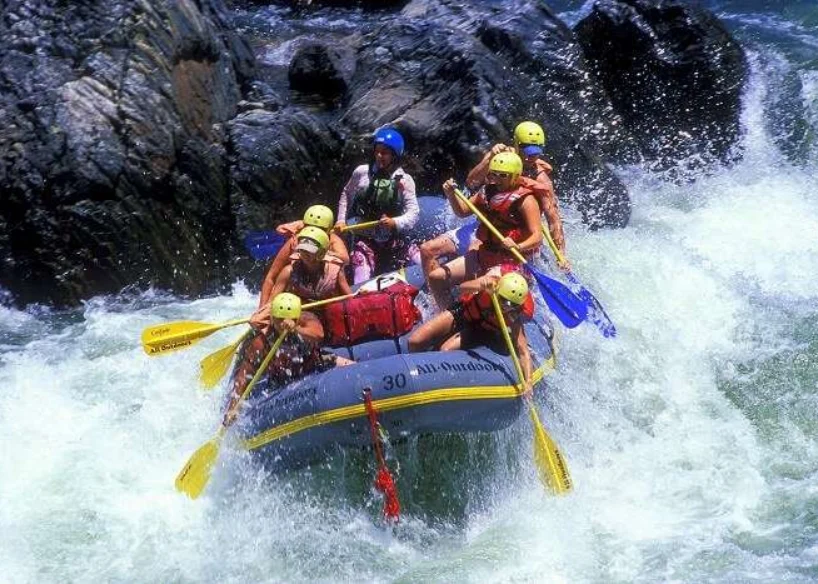
Sikkim doesn’t ask couples to choose between romance and adrenaline. Shared yak rides at Tsomgo Lake, a gentle two-person rafting run on the Teesta, paragliding over the Gangtok valley, or a cable-car ride above the clouds all work as well for a honeymoon as they do for a solo trekker’s bucket list — just at a gentler pace, and usually with better lunch stops.
- Tsomgo (Changu) Lake: a glacial lake at 12,400 feet that changes color with the seasons — ice-blue in spring, frozen white in winter. The single most-photographed honeymoon stop in the state.
- Teesta River rafting: shorter, gentler stretches near Singtam are well suited to couples who want the thrill without the all-day commitment.
- Gangtok paragliding & ropeway: panoramic views of the valley for the couple who wants one big shared “wow” moment without a multi-day trek.
- .Short scenic hikes: Tinkitam Pandam Waterfall or the trails around Ravangla offer an easy half-day walk together without altitude strain.
If you’re looking beyond sightseeing, explore the best trekking routes and adventure activities in Sikkim for an unforgettable Himalayan adventure.
Monasteries, Quiet Mornings & Shared Stillness
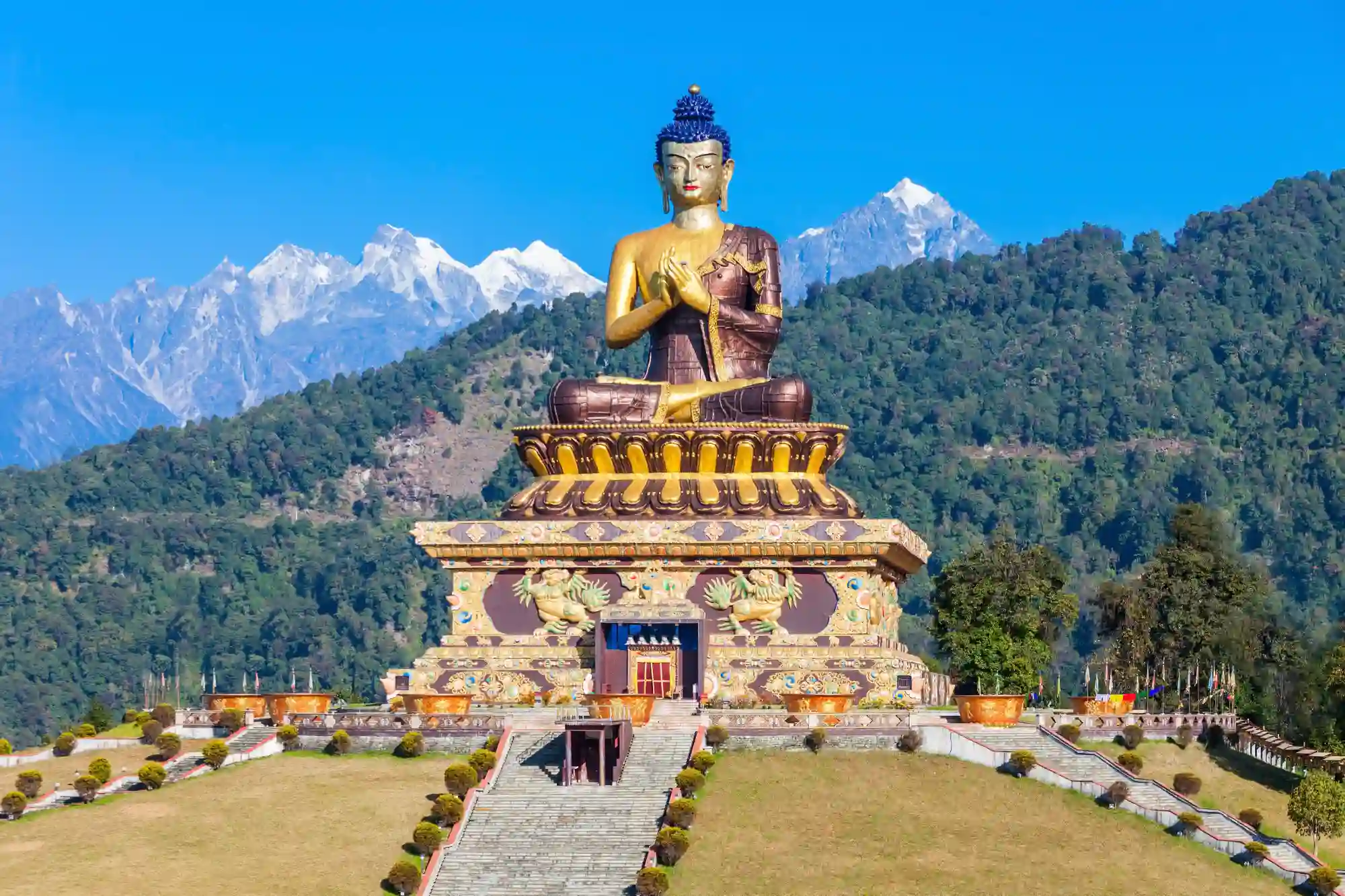
Sikkim has roughly 200 monasteries, many perched on hilltops with views that make conversation pause mid-sentence. Rumtek, near Gangtok, and Pemayangtse, near Pelling, are the two most visited — gilded stupas, spinning prayer wheels, and a stillness that settles over you within minutes of walking in. For a couple, this isn’t sightseeing in the usual sense. It’s the part of the honeymoon that doesn’t end up as a photo — sitting quietly together while monks chant morning prayers, or walking back down a hillside in no particular hurry. Several couples describe it as the one part of the trip that felt less like tourism and more like an actual shared memory.
Explore our guide to the best monasteries to visit in Sikkim before planning your trip.
- Rumtek Monastery: the Karmapa's seat near Gangtok, with sweeping valley views from its courtyard. .
- Pemayangtse Monastery: a centuries-old Nyingma monastery near Pelling, known for intricate woodwork and quiet courtyards.
- Tashiding Monastery: one of Sikkim's oldest, overlooking sacred sites considered holy by both Buddhists and Hindus.
Final Words — Why Sikkim Will Change How You See Love
There is a particular quality to time spent in the high Himalayas that does something to a relationship. The enormity of the landscape — peaks that have watched millennia pass, valleys that held civilisations before modern states were imagined — puts human concerns in beautiful perspective. Couples consistently report that Sikkim made them feel closer not despite its challenges but because of them.
The road that takes two hours longer than expected. The morning you wake at 5 AM shivering and step outside to see Kanchenjunga burning orange in the first light. The monk who blesses your prayer flags with such gentle sincerity that one of you cries, though neither of you expected to. The bowl of hot thukpa at a roadside dhaba during a rain shower, sharing one pair of gloves between you.
These are not Instagram moments. They are the moments that become stories you still tell twenty years from now.
Sikkim is not just a destination . It is an experience that becomes a part of you..
And the best honeymoon stories begin exactly here — in the mountains, together.
FAQs
March to May (spring) and October to December (autumn). Spring brings blooming rhododendrons and clear mountain views; autumn offers crisp skies, perfect for spotting Kanchenjunga. Avoid the monsoon months of June to September due to rainfall and landslide risk.
Indian nationals don’t need a permit for Gangtok, Pelling, Namchi, or Ravangla, but do need a Protected Area Permit (PAP) for North Sikkim, Tsomgo Lake, and Nathula. Foreign nationals need a Restricted Area Permit (RAP) for the whole state plus a PAP for protected zones, both processed online as of 2026.
Seven days is the realistic minimum to cover Gangtok, Pelling, and a North Sikkim loop without rushing. Five days works well if you skip North Sikkim and stay in the lower-altitude circuit.
Yes — Sikkim is consistently ranked among India’s safest states, with low crime rates and a strong culture of hospitality. The main consideration for couples is altitude management, not personal safety.
Its combination of low crowds, environmental discipline (it’s India’s first fully organic state), deep Buddhist heritage, and a genuine range of moods — from café culture in Gangtok to total seclusion in North Sikkim — all within a few hours’ drive of each other.


Comment (0)